Planar magnetic headphones used to mean spending several hundred dollars just to get in the door. The FiiO Jade Audio JT7 is one of the models that broke that rule, landing at around $119 while still using a full-size planar driver instead of the usual dynamic capsule. I spent a few weeks swapping between the JT7 and its cheaper sibling, the JT3, and the differences between the two are big enough that they are worth mapping out before you decide which one to buy.
- Model / applies to: FiiO Jade Audio JT7 open-back planar magnetic headphones
- Driver: 95x86mm large-format planar magnetic driver with a 3-micron diaphragm
- Impedance: 18ohm @ 1kHz
- Sensitivity: 92dB/mW (109dB/Vrms) @ 1kHz
- Frequency response: rated 7Hz–40kHz
- Connector: detachable dual 3.5mm TRS cable, so third-party cables fit
- Weight: roughly 318g (about 0.7lb)
- Compatibility: works passively with any 3.5mm output on Windows, macOS, Android, or iOS; no drivers needed, though a dongle is required for USB-C-only phones
- Price: around $119
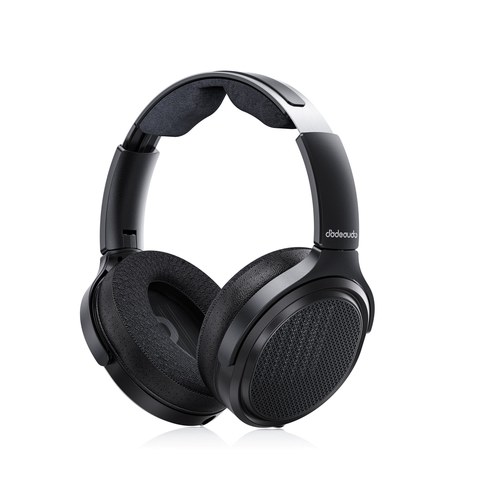
What is actually inside the JT7
The JT7 uses a large-format planar magnetic driver that Jade Audio developed in house, rather than licensing an off-the-shelf unit. Planar drivers move the entire diaphragm surface with a printed voice coil sitting inside a magnetic field, which generally produces faster, more even bass and treble compared with a traditional dynamic driver of similar size. That is the main reason the JT7 sits a notch above the 50mm dynamic-driver JT3 in the Jade Audio lineup even though the price gap is only around $50.
- Open-back planar magnetic driver, developed and tuned by Jade Audio
- Foldable headband with a mix of metal and lightweight plastic
- Detachable dual 3.5mm TRS cable, so third-party cables are an option
- Comfortable clamp force for long listening sessions, even with glasses
JT7 versus JT3: where the money goes
Reviewers who have spent time with both models, including the detailed side-by-side at Headphoneer, describe the JT3 as thicker and darker sounding, with a warmer midrange that is more forgiving of poorly mastered or heavily compressed tracks. The JT7, by contrast, is tighter and cleaner through the bass and noticeably brighter up top, which makes it a better match for well-recorded music but a little less forgiving of low-bitrate streams.
- Bass: JT3 is looser and warmer; JT7 is faster and more controlled.
- Midrange: JT3 leans thick and smooth; JT7 is more neutral and revealing.
- Treble: JT3 rolls off gently; JT7 extends further and sounds airier.
- Forgiveness: JT3 is kinder to mediocre source material; JT7 rewards good recordings but exposes flaws in bad ones.
Long-running discussion threads on Head-Fi echo the same pattern: people who mostly stream lower-quality audio tend to prefer the JT3, while listeners running a proper DAC/amp chain and lossless files gravitate toward the JT7.
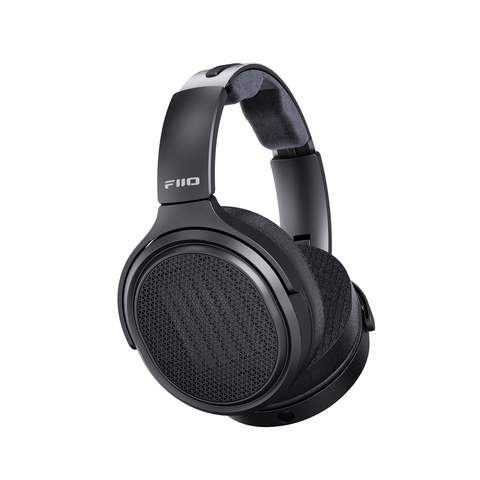
Comfort and build quality
At just over 300 grams, the JT7 is light for a planar headphone, and the earpads use a mix of memory foam and breathable fabric that keeps heat from building up during longer sessions. I found the clamp force to be on the gentler side out of the box, which is good news if you wear glasses but means the seal can loosen slightly if you move around a lot. The open-back design means these are strictly a quiet-room headphone; anyone nearby will hear a fair amount of bleed, and outside noise will leak in just as easily.
- Weight sits comfortably below most closed-back planar competitors
- Swappable cables mean a worn stock cable is not a dealbreaker
- Open design trades isolation for a more spacious, airy soundstage
Driving the JT7
The JT7 is rated at a sensitivity that most phones and laptops can push to a listenable volume, but planar drivers generally benefit from a dedicated amp for proper dynamics and control. Pairing it with a small desktop DAC/amp or even a capable dongle brought out noticeably tighter bass and cleaner separation than driving it straight from a phone’s headphone jack, if your device still has one.
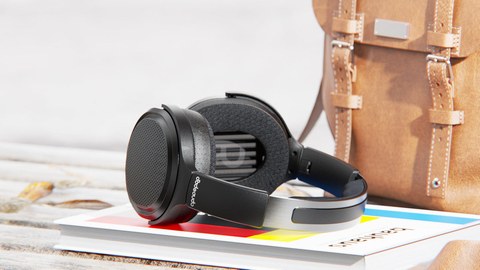
Who should buy the JT7 instead of the JT3
If most of your listening comes from Spotify at standard bitrate or older MP3 rips, the JT3’s warmer, more forgiving tuning will likely feel more pleasant day to day. But if you keep a library of lossless files, use a streaming tier with hi-res audio, or already own a decent DAC/amp, the JT7’s cleaner and more resolving sound is worth the extra money. It is also the better pick if you listen to a lot of acoustic or classical music, where the JT7’s tighter bass and extended treble let instrument separation come through more clearly.
What the JT7 sounds like day to day
Spend a week with the JT7 and a pattern emerges: it rewards patience with recordings. Well-mastered acoustic guitar, live jazz, and orchestral pieces sound genuinely impressive, with instrument placement that is easy to pick out even in busy passages. That same clarity, however, means a poorly compressed podcast or a low-bitrate internet radio stream will sound thinner and more strained than it would through a warmer, more forgiving headphone. This is the trade-off that defines the whole JT3-versus-JT7 conversation, and it is worth sitting with a few of your own regular tracks before committing to either model.
Bass on the JT7 is present but not boosted. If you are coming from a consumer-tuned closed-back headphone with an elevated low end, the JT7 will initially feel a little lean until your ears adjust to a flatter overall balance. Give it a week of regular listening and most people stop noticing the difference and start appreciating how much detail comes through in the midrange instead.
Packaging and what is in the box
The JT7 ships in a straightforward box with the headphones, a detachable dual 3.5mm cable, and basic documentation. There is no hard case included at this price point, which is a reasonable trade-off given the cost, but it does mean you will want to handle storage and transport carefully if you plan on taking these anywhere outside the house. For a headphone that is meant to live on a desk, this is a minor point rather than a real complaint.
Troubleshooting and alternate setup tips
Because the JT7 is a fully passive analog headphone, most of the problems people run into aren’t driver or firmware issues — they’re cabling, source, or expectation mismatches. A few things worth checking:
- Sounds unusually quiet or flat: at 18ohm and 92dB/mW, the JT7 will play from a phone or laptop jack, but planar drivers want more current than they get credit for. If the volume tops out lower than expected or the bass sounds thin, that’s a sign the source can’t fully drive the diaphragm — a small dongle DAC/amp usually fixes it immediately.
- No headphone jack on your phone: since the JT7 uses a standard 3.5mm dual-cable termination, a USB-C or Lightning dongle DAC is the alternate connection path. Cheap dongles can introduce hiss or a thin sound, so a dongle with its own amp stage is worth the extra cost over a bare adapter.
- One channel sounds weaker or silent: check both ends of the detachable dual 3.5mm cable are fully seated in the earcup sockets — a half-inserted connector is the most common cause of a lopsided channel balance, not a driver fault.
- Audible hum or buzzing: this is almost always a grounding issue with a cheap USB dongle or a laptop on charger power, not the headphone itself. Try a different USB port, unplug the charger, or swap to a different amp source to isolate it.
- Bass sounds thinner than reviews describe: confirm the earpads are sealing fully against your head. Because the JT7 is open-back, a loose seal from glasses or hair caught under the pad noticeably changes the low-end presentation.
FAQ
Is the JT7 hard to drive from a phone?
No, it will play at a reasonable volume straight from most phones, but it scales up noticeably with a dedicated amp, so treat that as an optional upgrade rather than a requirement.
Can I use aftermarket cables with the JT7?
Yes, it uses a standard detachable dual 3.5mm connection, so third-party balanced or unbalanced cables are compatible.
Is the JT7 good for gaming or movies?
The open-back design gives it a wide, airy soundstage that works well for positional audio, though the lack of isolation means it is best used in a quiet room rather than a shared space.
Does the JT7 need an amp to sound its best?
It does not strictly need one, but planar drivers generally respond well to extra current, and a small desktop or portable amp will tighten up the bass and improve dynamics.
How does the JT7 compare to closed-back planar headphones at a similar price?
The open design generally gives a wider soundstage than closed alternatives, at the cost of isolation and any bass reinforcement that a sealed cup provides.
I have spent more than two decades tinkering with PCs, audio gear, and everything in between, and I still get a kick out of finding budget hardware that punches above its price. Ryan.