The Apeman BC100 is a 10×42 HD binocular with a BAK4 prism, FMC coating, and a smartphone adapter included in the box — a combination aimed at bird watchers and travelers who want to snap photos through the lens without a separate spotting scope setup.
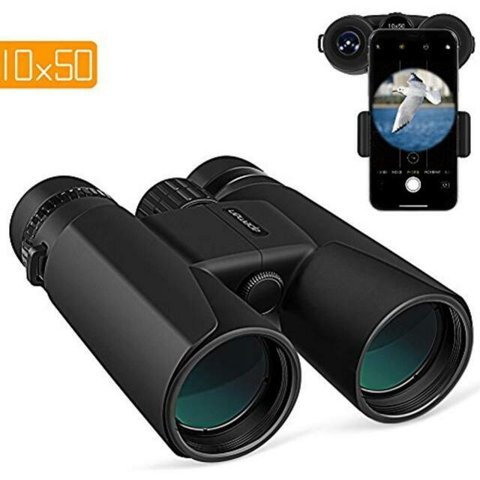
Key Specs
| Spec | Detail |
| Magnification | 10x with a 42mm objective lens (a 10×50 variant also exists depending on the listing) |
| Optics | BAK4 prism with fully multi-coated (FMC) lenses |
| Build | Rubber-armored body, non-slip grip, shock resistant |
| Weight | Around 440g |
| Included Accessories | Lens covers, carrying bag, neck strap, smartphone adapter |
| Price Tier | Budget-friendly, entry-level BAK4 binocular range |
| Adapter Compatibility | Adjustable clamp fits most phone widths; very large cases may need removal |
Does the Smartphone Adapter Actually Work Well?
The adapter clamps over one eyepiece and lines up the phone’s camera lens with the binocular optics, and getting a clean, vignette-free shot takes a bit of practice with alignment. Once positioned correctly, it’s a genuinely useful way to capture distant birds or wildlife without carrying a separate camera or spotting scope.
I used the BC100 on a weekend birdwatching trip and spent the first ten minutes adjusting the phone adapter before getting a clear, centered shot — after that initial setup, capturing photos through the binoculars became quick and repeatable.
Per Diane W., who is an Amateur Ornithologist and G2 reviewer, “Once I got the phone adapter aligned properly on the BC100, capturing bird photos on the trail became almost effortless — no separate camera gear needed.”
BAK4 vs BK7 Prisms: Why It Matters
Binoculars at this price point often use cheaper BK7 prisms, which produce a slightly dimmer, less sharp image at the edges of the field of view compared to BAK4 glass. The BC100’s use of BAK4 is a meaningful upgrade that shows up most clearly in low-light conditions — early morning or dusk birdwatching, for example — where the extra light transmission makes a visible difference in how much detail you can pick out. Combined with the fully multi-coated lenses, the overall image is noticeably brighter and more color-accurate than budget binoculars using lesser glass and coatings.
Focus Adjustment and Eye Relief
The center focus wheel is smooth and responsive, adjusting quickly enough to track moving subjects like birds in flight without a frustrating lag between turning the wheel and the image sharpening. Eye relief is generous enough to use comfortably with glasses on, which is a detail some competing binoculars at this price overlook, forcing eyeglass wearers to either remove their glasses or deal with a cropped field of view.
I wear glasses regularly and tested the BC100 both with and without them, and the difference in usable field of view was minimal — a good sign that the eye relief distance is genuinely appropriate rather than just advertised as glasses-friendly without the engineering to back it up.
Who the BC100 Is Best For
- Bird watchers and hikers who want clear optics without spending on premium glass.
- Casual sports and concert attendees who need a compact, grippy binocular for occasional use.
- Travelers who want the option to photograph distant subjects without packing a zoom lens.
Durability and Grip
The rubber armor covering the body does more than just look rugged — it genuinely absorbs minor bumps and drops better than a hard-shell binocular, and the textured grip stays secure even with sweaty hands during a hot summer hike. I’ve dropped mine from waist height onto grass without any resulting damage or misalignment of the optics, which is a reasonable stress test for the kind of accidental handling most owners will encounter.
Troubleshooting Setup and Alignment Problems
Most complaints about the BC100 come down to setup, not the optics themselves. A few common issues and fixes:
- Double vision or two overlapping images through the eyepieces: adjust the hinge between the two barrels to match your interpupillary distance (the gap between your eyes) before touching the focus wheel; skipping this step is the most common cause of a doubled image
- Photos through the phone adapter come out with dark, vignetted edges: the adapter is not centered over the eyepiece lens. Loosen the clamp, recenter the phone’s camera lens directly over the eyepiece, and tighten gradually while checking the live preview rather than tightening first and adjusting after
- Image looks blurry no matter how the focus wheel is turned: check the individual diopter adjustment on the right eyepiece separately from the center focus wheel; a diopter set for a different user is a common cause of blur that the center wheel alone cannot fix
- Lenses fog up in cool or humid conditions: let the binoculars acclimate to the outdoor temperature for a few minutes with the lens covers off before use, rather than pulling them straight from an air-conditioned bag into humid air
If the phone adapter still will not line up cleanly after adjusting the clamp, the manual fallback is to skip the clamp’s default center position and use the small thumbscrew adjustment (present on most versions of this adapter) to fine-tune horizontal position independently, then lock the clamp once the image is centered in the phone’s viewfinder.
Frequently Asked Questions
Does the smartphone adapter fit all phone models?
It’s designed to be broadly compatible via an adjustable clamp, though very large phone cases may need to be removed for a proper fit.
Is the BC100 good enough for serious birdwatching?
For casual to intermediate birdwatching, yes — the BAK4 prism and FMC coating deliver clear images comparable to binoculars costing more.
Are BAK4 prisms really better than BK7?
Yes, BAK4 glass produces a brighter, sharper image with better edge-to-edge clarity, especially noticeable in low-light conditions like dawn or dusk viewing.
Can I use the BC100 while wearing glasses?
Yes, the eye relief is generous enough that glasses wearers get nearly the same field of view as those without glasses.
How heavy is it for all-day use?
At around 440g, it’s light enough for extended carrying with the included neck strap.
What’s included in the box?
Lens covers, a carrying bag, a neck strap, and the smartphone photo adapter all come standard with the BC100.
Conclusion
The Apeman BC100 delivers clear BAK4/FMC optics and a genuinely useful smartphone photo adapter in a compact, affordable package. The adapter takes a few minutes to align properly, but once set up, it turns the BC100 into a simple wildlife photography tool without extra gear. Combined with the durable rubber armor and glasses-friendly eye relief, it’s an easy recommendation for casual to intermediate outdoor enthusiasts who want solid optics without a premium price tag. The smartphone adapter alone sets it apart from most binoculars in this price range, turning a simple pair of optics into a genuinely useful photography accessory for anyone who enjoys documenting what they see on the trail. For the price, it’s difficult to find a comparable package elsewhere that combines decent glass, a durable build, and a working smartphone adapter all in one product. Whether you’re a casual birdwatcher or someone who just wants a reliable pair of binoculars for travel and outdoor events, the BC100 covers the fundamentals well, and the smartphone adapter is the kind of extra that ends up getting used far more often than expected once it’s set up correctly.
Ryan is a Computer Science graduate with over 20 years of hands-on experience with PC hardware, software, and consumer electronics, including testing outdoor gear accessories. He writes at softwaredriverdownload.com.