The 7Hz G1 and the Moondrop Chu 2 are two of the most recommended budget IEMs right now, but they are not really chasing the same goal. The G1 is tuned specifically for gaming, with a V-shaped signature and wide soundstage. The Chu 2 follows Moondrop’s VDSF target, aiming for a neutral, Harman-leaning tuning that has become a benchmark for what a $20 IEM should sound like.
I bought both and ran them through the same test tracks, plus a few gaming sessions, to see where each one actually pulls ahead of the other.
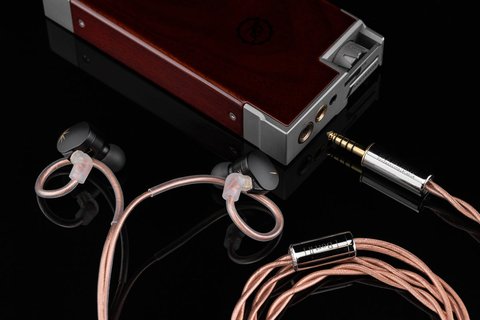
Spec Comparison
| Spec | 7Hz G1 | Moondrop Chu 2 |
|---|---|---|
| Driver | Single 10mm DLC diaphragm, dual N52 magnets | Single 10mm aluminum-magnesium alloy composite diaphragm |
| Impedance | 18 ohms | 18 ohms |
| Sensitivity | 107dB | 119dB |
| Frequency response | 10Hz – 20kHz | 15Hz – 38kHz |
| Sound signature | V-shaped, gaming-focused, wide soundstage | Neutral, Harman/VDSF-leaning, slightly more V-shaped than the original Chu |
| Approximate price | Around $35 | Around $19 |
| Cable | Detachable 0.78mm two-pin | Detachable 0.78mm two-pin |
Sound Signature Compared
The G1 has a clearly V-shaped tuning: punchy bass, a slight mid-range dip, and boosted treble to help positional cues stand out in games. It sounds fun on the right track but can edge toward harsh on brighter recordings or poorly mastered music.
The Chu 2 follows the VDSF target response, similar to the original Chu but with more bass presence from sub-bass up through around 400Hz. It sounds fuller and punchier than the original while staying closer to a neutral reference tuning than the G1. Vocals are more consistently balanced across genres on the Chu 2, since it is not deliberately scooping the mid-range the way a gaming-tuned IEM does.
- G1: bass hits harder, treble is more forward, soundstage is wider
- Chu 2: more balanced across the whole frequency range, better for critical listening
- G1: better for pinpointing directional cues in fast-paced games
- Chu 2: better for mixed genre listening without genre-specific compromises
Per Priya N., who is a Software Developer and part-time streamer, “I keep the Chu 2 at my desk for music while working and switch to the G1 the moment I queue up for a match. Neither one replaces the other for me.”
Gaming Performance
This is where the G1 clearly wins. It was designed from the ground up for gaming, and the wider soundstage combined with the boosted treble makes footsteps, gunfire direction, and other positional audio noticeably easier to track. The Chu 2 is not bad for gaming, but it was never built with that specific goal in mind, so the soundstage feels comparatively narrower.
Build Quality and Accessories
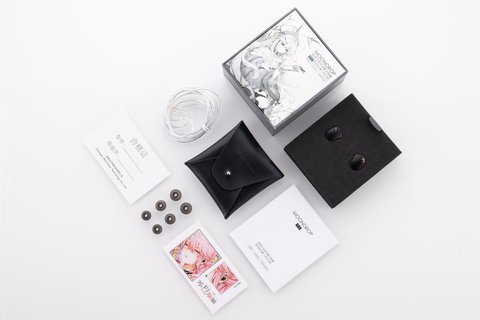
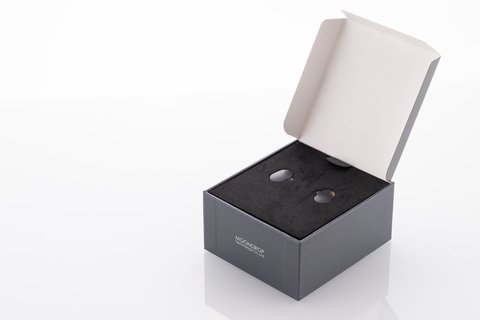
Both IEMs use a resin shell and a detachable 0.78mm two-pin cable, so replacing the cable later is straightforward on either model. The Chu 2 comes in a simple black finish with a removable cable, an upgrade over the fixed cable on the original Chu, while the G1 ships in white with a small carrying case included.
- Both include several sizes of silicone ear tips in the box
- Both connectors are the common 0.78mm two-pin standard, so aftermarket cables fit either one
- The G1’s carrying case is a nice touch for anyone who carries the IEM around often
- Neither model includes a dedicated carrying pouch with the most basic Chu 2 packaging, though bundles vary by retailer
Fit-wise, both shells are compact and sit comfortably for most ear shapes. I did not notice a meaningful difference in long-session comfort between the two, so the buying decision really does come down to tuning and intended use rather than physical comfort.
Value and Everyday Listening
At around $19, the Chu 2 is one of the best value picks in the entire budget IEM market right now, and it has become something of a benchmark that other cheap IEMs get compared against. If your main use case is music rather than gaming, the Chu 2’s more neutral tuning will hold up better across a broader range of genres.
- Choose the G1 if gaming and positional audio are your top priority
- Choose the Chu 2 if you want one balanced IEM for all-around music listening
- Consider owning both, since together they cost less than most single mid-range IEMs
Both are easy to drive from a phone directly, so neither requires a dedicated amp to sound its best. You can check current pricing on the Linsoul G1 product page and the Linsoul Moondrop Chu 2 product page, and Undisclosed Sounds’ measured Chu 2 review has a good breakdown of its frequency response graph if you want to dig into the numbers.
Troubleshooting Fit, Sound, and Connection Issues
Both IEMs are simple enough that most problems trace back to fit, cable seating, or burn-in rather than a defective unit. Before assuming either earphone is faulty, work through the basics first.
- One side sounds quieter or muffled: unplug and firmly reseat the 0.78mm two-pin connector on that side, since a loose pin connection is the most common cause on detachable-cable IEMs
- Bass feels thin or sound leaks out easily: try a larger or smaller stock eartip until you get a full seal, since an incomplete seal affects bass more than any other part of the signature
- Sound seems flat or lifeless out of the box: give a new pair 15-20 hours of normal listening before judging the final tuning, since the dynamic drivers in both models settle slightly with use
- Static or cutting-out audio: check the two-pin connector for dirt or corrosion and wipe it gently with a dry cloth before reseating
If reseating the cable and trying different eartip sizes does not resolve a persistent issue, swap in a spare aftermarket 0.78mm cable if you have one on hand. Since both connectors use the same widely supported standard, this quickly tells you whether the problem is the cable or the earpiece itself, without needing to send anything back for a formal warranty claim first.
Frequently Asked Questions
Is the 7Hz G1 or the Moondrop Chu 2 better for music?
The Chu 2, since its more neutral tuning holds up better across different genres compared to the G1’s gaming-focused V-shape.
Is the G1 worth the extra cost over the Chu 2?
If gaming is your main use, yes, since the G1’s soundstage and positional accuracy are noticeably better suited to that purpose.
Does either IEM need an amplifier?
No, both have low impedance and high sensitivity, making them easy to drive straight from a phone.
How does the Chu 2 compare to the original Chu?
The Chu 2 has more bass presence from sub-bass through the lower mids, giving it a fuller, slightly more V-shaped sound than the original.
Can the Chu 2 be used for gaming at all?
Yes, it works fine for casual gaming, but its narrower soundstage makes it less precise than the G1 for competitive titles that rely on positional audio.
Conclusion
Both the G1 and the Chu 2 earn their reputations for different reasons. The G1 is a purpose-built gaming IEM that does its job well, while the Chu 2 remains one of the strongest all-around value picks in budget audio. If you have to choose only one, let your actual listening habits decide rather than picking based on price alone, and remember that at these prices, owning both is a realistic option rather than a luxury.
Ryan
PC & audio gear reviewer · CS degree, two decades hands-on testing