Tin HiFi built its name on the T2 back when a $50-$80 single-dynamic-driver IEM competing with $200 sets was still a novelty. The T3 Plus is the modern continuation of that idea — a single 10mm LCP driver in a 3D-printed resin shell, priced around $69-80 depending on where you buy it. I spent a few weeks with one to see whether it still holds up as a budget recommendation or whether the field has simply caught up.
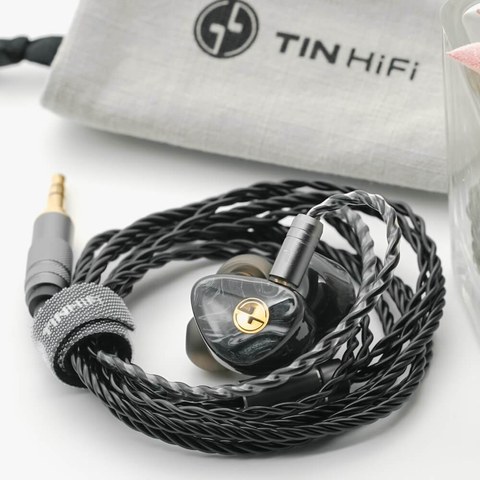
Driver and specs
The T3 Plus keeps things simple — a single dynamic driver rather than a hybrid setup, which is worth noting since a lot of the competition at this price has moved to multi-driver hybrids that don’t always integrate cleanly.
| Driver | 10mm Liquid Crystal Polymer (LCP) diaphragm dynamic driver |
| Sensitivity | 105±3dB |
| Cavity design | Dual-cavity, for consistent internal pressure during diaphragm movement |
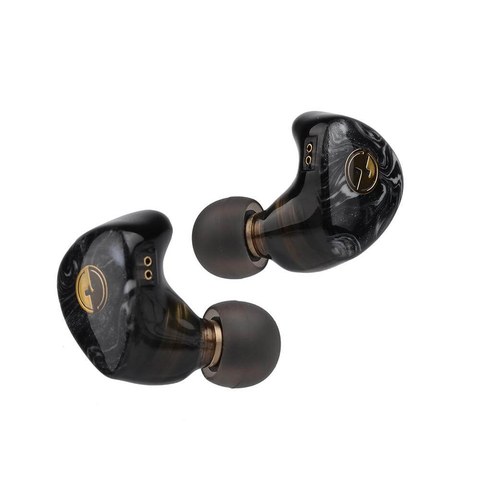
| Connector | Gold-plated 2-pin (detachable) |
| Cable | 2.8mm, 40×0.05 oxygen-free copper + 200D Kevlar reinforcement, 4-core, 1.25m |
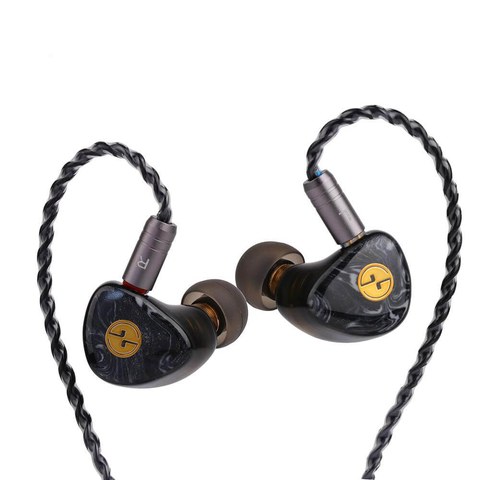
| Shell | 3D-printed resin with marble-texture faceplate, hand-polished, UV-finished |
| Warranty | 1 year on the IEM, 3 months on the cable |
You can buy it direct through HiFiGo or via Linsoul’s Tin HiFi collection, both of which carry the full lineup if you want to compare against the standard T3 or older T2 Plus.
Sound signature
The T3 Plus goes for a balanced-but-fun tuning rather than anything extreme in either direction. Bass has good sub-bass presence and warmth without bleeding into the midrange, mids are natural and unrecessed, and treble is comfortable rather than sparkly — this isn’t a set chasing air and sparkle at the top end.
That combination makes it a genuinely easy listen for long sessions. Several reviewers, including Headfonia, describe it as tuned close to the Harman target with some house-sound modifications — a safe, non-fatiguing signature rather than something with a strong personality. The trade-off is that technical performance is solidly middling for the price rather than a standout; microdynamics are the one area that punches slightly above its class, but detail retrieval and separation are competent rather than exceptional.
- Bass: warm, present sub-bass, doesn’t overpower the mix
- Mids: natural tonality, vocals sit forward enough to stay clear
- Treble: smooth and relaxed, low fatigue risk over long listening sessions
Build, fit, and what’s in the box
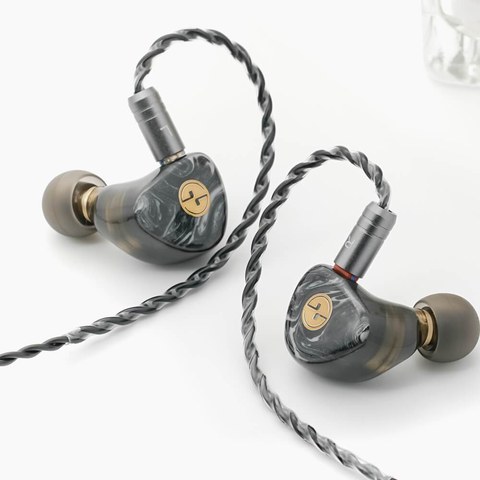
The 3D-printed resin shells were modeled from a computer simulation database of ear shapes, and it shows in day-to-day wear — the fit is comfortable enough for long listening sessions without the pressure points some resin IEMs develop after an hour or two. The marble-effect faceplate looks noticeably nicer in person than most budget IEMs manage at this price.
The included cable is a genuine strong point: a 4-core oxygen-free copper design reinforced with 200D Kevlar, terminated in a detachable gold-plated 2-pin connector so it’s easy to upgrade later if you want to. A few reviewers note the stock ear tips are the weakest part of the package and recommend swapping to a third-party set to unlock a bit more bass extension and a tighter seal.
- Tin HiFi T3 Plus earphones (L/R, 2-pin detachable)
- Kevlar-reinforced 4-core OFC cable
- Multiple ear tip sizes
- Cloth carrying pouch
Setting it up for the best fit
A few practical things help before forming an opinion on the sound:
- Try the full range of included tips before judging bass. Seal quality has an outsized effect on a single-DD IEM like this — a loose seal will make the low end sound thin and unconvincing compared to a proper fit.
- Consider a third-party tip upgrade early. Since the stock tips are the most commonly criticized part of the package, swapping to a wide-bore silicone tip or foam tip is a cheap way to get closer to the driver’s actual potential.
- Give the driver a short break-in period. As with most dynamic-driver IEMs, a handful of hours of use tends to smooth out any initial stiffness in the bass response, though this effect is subtle rather than dramatic.
- Match your source carefully if you’re picky about tonality. The T3 Plus doesn’t need power, but a warmer-sounding source will accentuate its already-relaxed treble, while a more neutral source keeps the balance closer to what Tin HiFi intended.
How it fits into the budget IEM landscape
Single-dynamic-driver IEMs have become something of a rarity at this price point, with most manufacturers chasing driver counts and hybrid configurations to stand out on a spec sheet. The T3 Plus is a reminder that a well-executed single driver can still compete on tuning coherence, even if it can’t match a good hybrid on raw technical performance. If you’ve been burned by a budget hybrid with crossover issues or an uneven frequency response, the T3 Plus’s straightforward approach is part of its appeal — there’s no crossover point between drivers to get wrong.
It also sits in a crowded shelf next to Tin HiFi’s own back catalog, including the original T3 and the older T2 Plus, so if you already own one of those, the practical upgrade here is mostly in cable quality and shell comfort rather than a dramatically different sound signature.
Who should buy it
The T3 Plus makes sense if you want a single-driver IEM that won’t fatigue you over hours of listening and don’t need class-leading technical performance to be happy — think commuting, background listening, or long work sessions rather than critical late-night analytical listening. If you’re chasing maximum detail retrieval or a more dynamic, exciting presentation, there are hybrid multi-driver sets at a similar price that will out-resolve it, just with more tuning risk.
- Good fit if: you want a comfortable, non-fatiguing daily driver with a nice cable included
- Skip it if: you want cutting-edge detail retrieval or an energetic, forward sound signature
Common problems and how to fix them
- Problem: Bass sounds thin or missing compared to reviews. This is almost always a seal issue on a single-DD IEM like this — try a larger tip size or a wide-bore third-party tip before assuming the driver itself is underwhelming.
- Problem: One earpiece plays quieter than the other. Remove the 2-pin cable and reseat it firmly on both sides, since a slightly loose detachable connector is a common and easy-to-miss cause of channel imbalance.
- Problem: The stock tips keep sliding out of your ears. Swap to a tackier silicone compound or a foam tip, and insert with a slight twist to seat it fully rather than pushing straight in.
- Problem: Treble sounds harsher than expected from a “smooth and relaxed” tuning. Check your source isn’t adding EQ or a bright-leaning sound signature of its own, since the T3 Plus’s tuning is naturally relaxed and shouldn’t sound sharp on a neutral source.
- Problem: The cable feels stiff or tangles easily out of the box. This is normal for a fresh Kevlar-reinforced cable and typically loosens up with regular handling over the first few weeks of use.
- Problem: Sound feels flat or lifeless right out of the box. Give the driver a short break-in period of a few hours, since dynamic drivers on IEMs at this price sometimes need a little time to loosen up before bass fully settles in.
FAQ
Is the T3 Plus better than the original Tin HiFi T3?
The T3 Plus refines the tuning and keeps the same single-DD approach; it’s generally considered the more balanced, easier-to-recommend version of the two.
Does it need an amp?
No. At 105±3dB sensitivity it’s easy to drive from a phone or basic dongle.
Are the stock ear tips good?
They’re serviceable but frequently cited as the weakest included accessory — swapping to a third-party tip is a common and inexpensive upgrade.
What’s the warranty?
One year on the earphones themselves, three months on the included cable.
I’ve been testing budget and mid-range IEMs for a while now, and this review reflects hands-on time with the retail T3 Plus alongside a cross-check against other independent reviews and measurements.