I keep seeing these two mentioned in the same breath in budget IEM threads, and after spending real time with both back to back, I understand why. The Tanchjim Bunny and the Kiwi Ears Cadenza are both single dynamic driver earphones aimed at people who want a warm, non-fatiguing sound without spending much money, but the way each one gets there is different enough to matter for your buying decision.
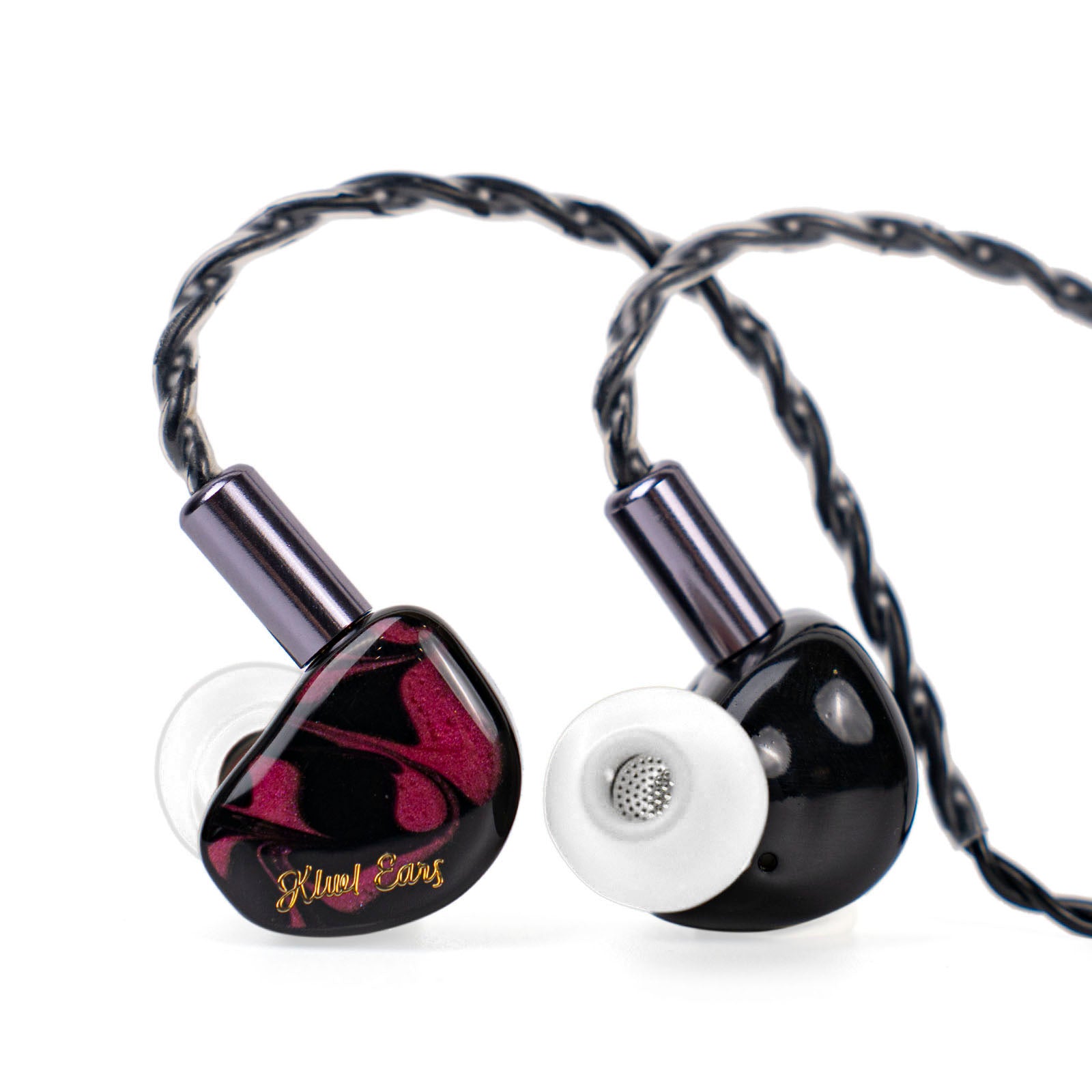
Spec Comparison
| Spec | Tanchjim Bunny | Kiwi Ears Cadenza |
|---|---|---|
| Driver type | 10mm dynamic, titanium-plated PET diaphragm | 10mm dynamic, Beryllium-coated diaphragm |
| Impedance | 30Ω | 32Ω |
| Sensitivity | 123dB/Vrms | 110dB |
| Shell material | Transparent resin | Medical-grade resin |
| Cable connector | 0.78mm 2-pin | 0.78mm 2-pin |
| Approximate price | $20 | $35 |
Sound Signature: Two Different Roads to Warmth
Both earphones are frequently described as warm-leaning, but the character of that warmth is not identical. The Bunny is closer to neutral-warm, with reserved bass and natural, forward vocals that stay out of the way of the rest of the mix. The Cadenza is the warmer of the two overall, largely thanks to its Beryllium diaphragm, which gives it a richer, more organic timbre and noticeably more present vocal body, at the cost of a narrower soundstage than you get from more balanced-tuned sets.
If you have ever heard someone describe an IEM as sounding like it has a bit of tube-amp warmth to it, that is roughly the vibe the Cadenza goes for. The Bunny, in comparison, sounds more like a smaller, tidier version of a reference tuning, with less coloration overall.
- Bunny: neutral-warm, tidy and controlled, wider perceived stage
- Cadenza: warmer and more organic timbre, narrower stage, more romantic vocal presentation
- Both avoid harsh or fatiguing treble, making either safe for long listening sessions

Build Quality and Comfort
The Cadenza uses what Kiwi Ears calls medical-grade resin, and it does feel good in the hand, lightweight without feeling cheap. The Bunny’s transparent resin shell is smaller and less ornate, but I never had fit issues with either one across different ear tip sizes. Both use standard 0.78mm 2-pin connectors, so cable swaps are simple if you want to experiment later.
One thing to flag if you are shopping for the Cadenza specifically: Kiwi Ears has since released a Cadenza II, which addresses some of the original’s narrower staging and average imaging. If a listing does not specify which generation you are buying, confirm before you order, since the original Cadenza and the Cadenza II are tuned somewhat differently and reviews for one do not fully apply to the other.
Which One Fits Your Listening Habits
If you want the most neutral, least colored budget option and plan to use the earphone for a wide variety of genres without a strong preference toward warmth, the Bunny is the safer, cheaper pick. Its tidier bass and more controlled tuning make it a better all-rounder for critical listening on a tight budget.
If you already know you gravitate toward a warmer, more vocal-forward sound and do not mind a slightly narrower stage in exchange for that richness, the Cadenza is worth the extra fifteen dollars. It is a genuinely different flavor rather than simply a more expensive version of the same thing, and outlets like SoundGuys have specifically praised its timbre for the price, which lines up with what I heard in my own listening.
For official specs and current availability, Kiwi Ears products are distributed primarily through Linsoul, which is worth checking before buying from a random third-party listing.
Cable, Tips, and Small Details That Add Up
Neither earphone ships with anything fancy, but the included ear tips matter more than people expect for how warm or how balanced either one ends up sounding on your particular ears. I found that swapping the Cadenza to a slightly wider-bore silicone tip opened up some of that narrower stage I mentioned earlier, while foam tips pushed it even warmer, which some listeners will love and others will find a bit much. The Bunny was less sensitive to tip changes overall, staying fairly consistent across a few different tip sets I tried.
Cable microphonics, the noise you hear when the cable rubs against clothing, were mild on both, though the Cadenza’s slightly thicker stock cable transmitted a touch more of that rubbing noise than the Bunny’s thinner cable. It is a minor point, but if you plan to wear either one while walking or exercising, it is worth knowing before you buy.
- Try a wider-bore tip on the Cadenza if you want a bit more perceived space.
- Stick with the stock tips on the Bunny; they are already well matched to its tuning.
- Swap either cable for an aftermarket 0.78mm 2-pin cable if microphonics bother you during exercise.
Frequently Asked Questions
Is the Kiwi Ears Cadenza better than the Tanchjim Bunny?
Neither is strictly better; the Cadenza is warmer and more vocal-forward, while the Bunny is more neutral and slightly more controlled in the bass. The right choice depends on your preferred sound signature.
Are the Bunny and Cadenza using the same driver material?
No. The Bunny uses a titanium-plated PET diaphragm, while the Cadenza uses a Beryllium-coated diaphragm, which contributes to its warmer, more organic timbre.
Should I buy the original Cadenza or the Cadenza II?
If you want the warmest, most vocal-forward version, the original Cadenza still holds up. If you want improved soundstage and imaging, the Cadenza II is the newer, more balanced option.
Do both IEMs work well without an amplifier?
Yes, both are easy to drive from a phone or basic dongle. Neither requires a dedicated amplifier for comfortable listening volume.
Conclusion
The Bunny and the Cadenza both prove that you do not need to spend much to get a genuinely enjoyable, non-fatiguing IEM, but they get there through different tuning decisions. Pick the Bunny if you want a tidier, more neutral daily driver at the lowest possible price, and pick the Cadenza if you want a warmer, more romantic vocal presentation and do not mind paying a little more for it. I have recommended both to different friends depending on what kind of music they listen to most, and both have come back happy with their choice.
Between my CS background and a decade of buying more earphones than any one person reasonably needs, this kind of side-by-side comparison is where I actually enjoy putting that habit to use.