The Simgot EW200 is worth noting as a distinct model from the more widely discussed EW300 — different price tier, different driver tuning, and a genuinely separate comparison against the Moondrop Chu 2 than what you’ll find in EW300 write-ups elsewhere. I picked up both to see how Simgot’s dual-magnetic dynamic driver approach stacks up against Moondrop’s more established single dynamic driver formula.
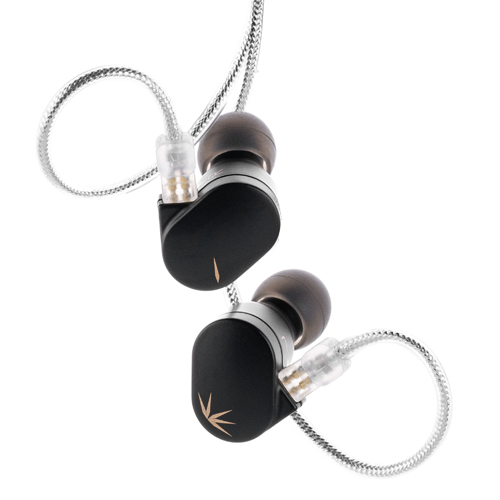
| Spec | Moondrop Chu 2 | Simgot EW200 |
|---|---|---|
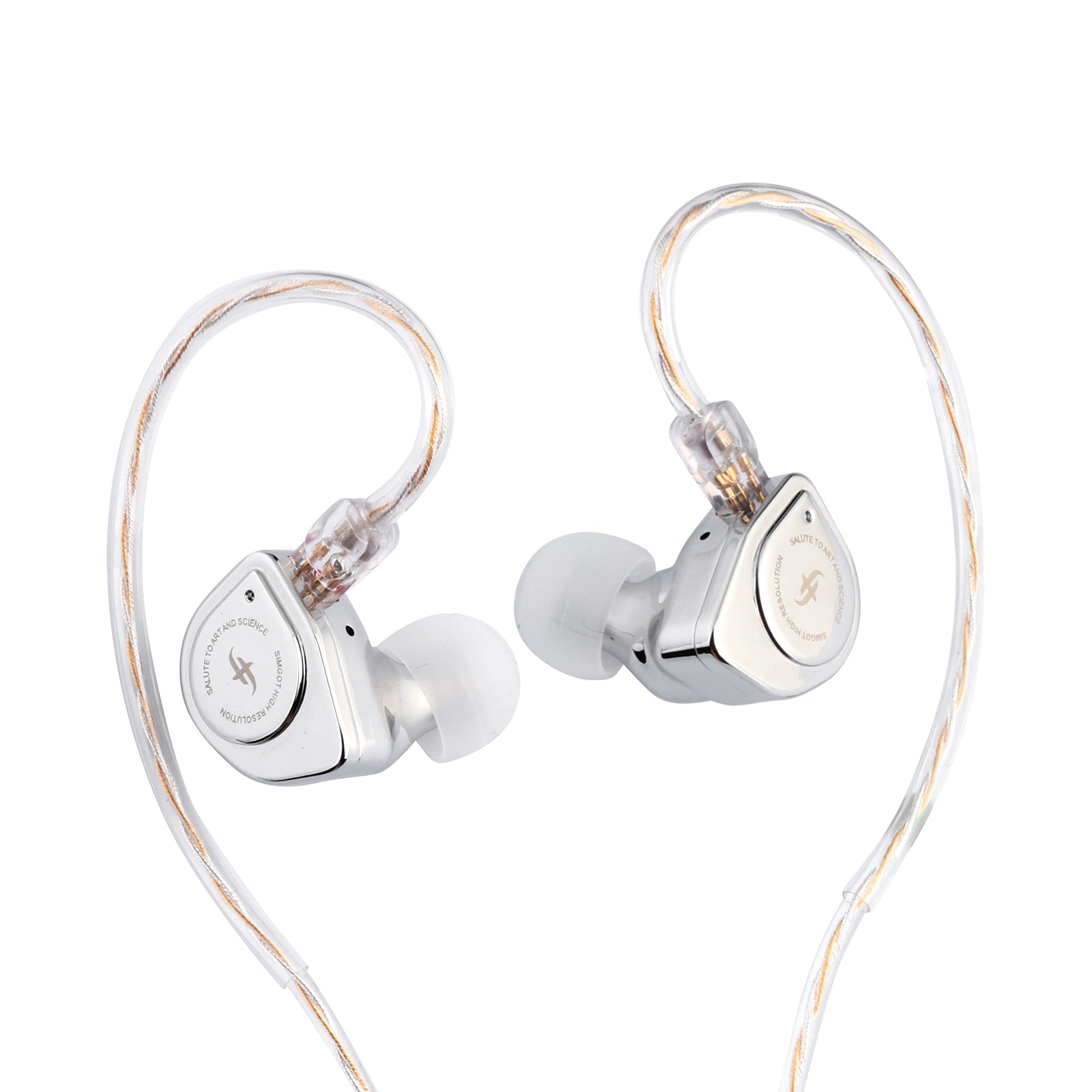
| Driver | 10mm dynamic, Al-Mg alloy composite diaphragm | 10mm dual magnetic, dual cavity, SCP diaphragm |
| Impedance | 18Ω | 16Ω ±15% |
| Sensitivity | 119dB/Vrms | 126dB/Vrms |
| Shell | Resin body, brass nozzle | All-metal shell |
| Cable | Standard 0.78mm 2-pin | Silver-plated OFC, 0.78mm 2-pin |
| Tuning | Smoother, warmer, VDSF-adjacent | Brighter, more detailed treble |
Driver specs
- Chu 2: 10mm dynamic driver, Aluminum-Magnesium alloy composite diaphragm, 18Ω, 119dB/Vrms
- EW200: 10mm dual magnetic circuit, dual cavity dynamic driver with an SCP diaphragm, 16Ω ±15%, 126dB/Vrms
Simgot’s SCP diaphragm design uses a special polymer film coated with silicone, aiming to combine benefits typically associated with both DLC and LCP diaphragm materials. The dual magnetic, dual cavity structure is a more complex single-driver engineering approach than the Chu 2’s more straightforward composite diaphragm setup.
Sound comparison
The EW200’s higher sensitivity rating (126dB/Vrms vs the Chu 2’s 119dB/Vrms) means it reaches comfortable volume a bit more easily from weaker sources, though both are efficient enough for any phone or basic dongle. Tonally, the EW200 leans slightly brighter and more detailed in the treble thanks to its dual magnetic circuit design, while the Chu 2 keeps its familiar smoother, warmer VDSF-adjacent signature.
Bass on both is well controlled, though the EW200’s dual-cavity design gives it a marginally faster, more textured low end. If you gravitate toward a more “airy” and detailed presentation, the EW200 pulls ahead; if you prefer something smoother and less analytical for long sessions, the Chu 2 remains the more forgiving choice.
Build quality
Both use all-metal or metal-faceplate shells with detachable 0.78mm 2-pin cables. The EW200’s cable is a silver-plated OFC design, which feels slightly more premium out of the box compared to the Chu 2’s standard cable, though both are perfectly serviceable and easy to replace with aftermarket options if you want an upgrade later.
A closer look at the SCP diaphragm
Simgot’s SCP (silicone-coated polymer) diaphragm deserves a bit more explanation since it’s the headline engineering feature behind the EW200’s driver. The idea is to combine two diaphragm properties that are normally a tradeoff: the light weight and speed of a DLC-style (diamond-like carbon) diaphragm with the damping characteristics more associated with LCP (liquid crystal polymer) diaphragms. In practice, this is meant to let the diaphragm move quickly for good transient response while avoiding the harshness that overly rigid diaphragm materials can introduce in the treble region. Whether or not you buy into the marketing framing, the audible result is a driver that resolves fine detail without sounding thin or overly analytical, which lines up with what Simgot appears to have been targeting.
Everyday listening scenarios
For commuting and casual use, both earphones performed reliably, though the EW200’s slightly brighter tuning made it marginally easier to hear clearly over ambient noise like train announcements or street traffic, since brighter treble tends to cut through background noise a bit more effectively than a warmer signature. For focused, quiet-room critical listening, I found myself reaching for the Chu 2 more often simply because its smoother tuning felt less demanding on longer sessions.
For gaming, the EW200’s slightly forward treble helped with picking out directional audio cues like footsteps in competitive titles, while the Chu 2 remained the more comfortable option for long single-player sessions where fatigue matters more than competitive audio cues.
Frequently asked questions
Is the Simgot EW200 the same as the EW300?
No, they are different models at different price points with different tunings. This comparison covers the EW200 specifically, not the higher-tier EW300.
Which has better treble detail, the Chu 2 or EW200?
The EW200 tends to resolve treble detail slightly more clearly thanks to its dual magnetic circuit dynamic driver, while the Chu 2 keeps things smoother and less analytical.
Do either need an external amplifier?
No. Both are efficient enough (18Ω/119dB and 16Ω/126dB respectively) to run comfortably from a phone or basic dongle.
Are the cables interchangeable?
Yes, both use the common 0.78mm 2-pin connector standard, so cables can be swapped between them or replaced with aftermarket options.
Fit and long-session comfort
Both earphones use reasonably compact shells that sit securely for extended wear, though the EW200’s all-metal build has a touch more heft than the Chu 2’s resin-and-brass-nozzle construction. Over a multi-hour session, that weight difference is subtle enough that most listeners won’t notice a meaningful comfort gap, but if you’re particularly sensitive to earphone weight during long wear, it’s worth trying both in person if you have the option, since individual ear shape and preference play a bigger role here than raw spec sheet numbers ever could.
Where to buy and what to watch for
Both models are widely available through established retailers like Linsoul and other authorized resellers, and pricing tends to stay fairly stable outside of occasional sales events. Because both are popular enough to attract counterfeit listings on some marketplaces, buying from an authorized retailer or the brand’s own storefront is worth the small extra effort, especially since a counterfeit unit won’t carry the actual tuned driver you’re paying for.
A final practical tip
If you’re still undecided after reading this far, consider what you’ll actually be doing most often with the earphone: commuting through noisy environments favors the EW200’s brighter cut-through clarity, while quiet at-home listening sessions favor the Chu 2’s easier, more relaxed character. Matching the earphone to your actual daily listening environment, rather than chasing a spec sheet, tends to produce the most satisfying long-term purchase decision in this price range.
Common Problems and Fixes
A few issues come up often enough with budget dynamic-driver IEMs like these that they’re worth addressing directly:
- Driver flex or a popping sensation on insertion — this is a known quirk of sealed dynamic driver shells and isn’t a defect. Insert more slowly and break the seal slightly with your finger before fully seating the tip if it bothers you.
- One side sounds quieter or cuts out — check the 2-pin connector for a secure seat first, since these are the most common failure point on detachable-cable IEMs, and try swapping the earpieces between cable channels to isolate whether the issue is the cable or the shell.
- Poor seal or bass sounds thin — try a different eartip size or material; a loose seal affects perceived bass response more than almost any other single factor with in-ear monitors.
- Cable is microphonic (noisy when it rubs against clothing) — wear the cable over-ear rather than straight down, which is how both of these are designed to be worn, and use the included or an aftermarket cable clip if available.
- Sound seems muffled after a period of use — check the nozzle mesh for wax or debris buildup, which is a common and easily fixed cause of dulled treble over time; clean gently with a soft dry brush rather than anything wet.
Final verdict
The Chu 2 and EW200 sit close enough in price and quality that the decision really comes down to tuning preference: smoother and warmer favors the Chu 2, while brighter and more detailed favors the EW200. Both are legitimate recommendations in the budget IEM space right now.
About the author: comparing budget IEMs at this level has become something of a personal obsession — there’s a genuinely good option at almost every price point these days.