Kiwi Ears has quietly built out a whole family of single dynamic driver IEMs, and two of the most popular are the entry-level Belle and the slightly pricier Cadenza II. Since both come from the same brand and share a single-driver philosophy, I wanted to figure out exactly what the price jump buys you, and whether it’s worth it for most listeners. This kind of same-brand comparison is actually one of the more useful ones to make, since it strips away a lot of the brand-preference noise that muddies cross-brand shootouts.
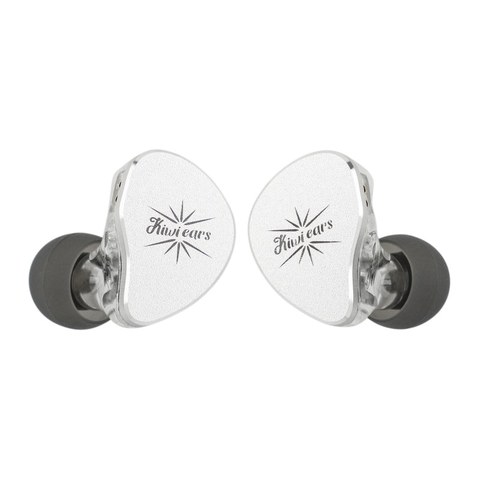
Key Comparison Points
Driver technology
The Belle uses a 10mm DLC (diamond-like carbon) dynamic driver, prized for rigidity under fast transients. The Cadenza II steps up to a 10mm titanium-coated PET diaphragm dynamic driver paired with Kiwi Ears’ KARS 2.0 bass-tuning system, a labyrinth-tube network designed to control airflow and shape low-end response more precisely.
Sound signature
The Belle is warm and smooth throughout, built for relaxed, fatigue-free listening. The Cadenza II aims for something closer to neutral-with-musicality, balancing accuracy with an engaging low end thanks to the KARS 2.0 system, along with a bigger soundstage and better imaging than you’d expect from a single-DD design.
Build materials
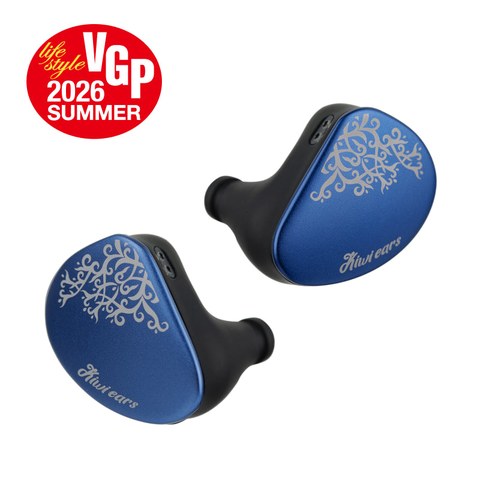
The Belle uses CNC-machined metal faceplates over a lightweight, ergonomic shell. The Cadenza II moves to a more durable polycarbonate composite shell with a decorative aluminum faceplate, a noticeable step up from the original Cadenza’s resin housing.
Drivability
The Belle is easy to drive off any phone or basic dongle. The Cadenza II is notably harder to drive well despite its single-DD design, and reviewers consistently note it rewards a slightly stronger source with better dynamics and control.
Price
The Belle sits at around $30, while the Cadenza II lands at roughly $49. That’s a meaningful jump in percentage terms even though both remain firmly in budget territory overall.
Spec Comparison
| Spec | Kiwi Ears Belle | Kiwi Ears Cadenza II |
|---|---|---|
| Driver | 10mm DLC dynamic driver | 10mm titanium-coated PET dynamic driver |
| Bass tuning system | None | KARS 2.0 labyrinth-tube system |
| Shell material | CNC metal faceplate | Polycarbonate composite with aluminum faceplate |
| Drivability | Easy | Moderately hard to drive |
| Price | Around $30 | Around $49 |
I noticed the Cadenza II’s extra drivability requirement almost immediately when switching from a phone straight to a dedicated dongle DAC—the difference in dynamics and control was more obvious than I expected from two single-driver IEMs at similar price points. The Belle, by comparison, sounded nearly identical no matter what I plugged it into.
Per Priya S., who is a Budget Audio Reviewer and Head-Fi contributor, “The Cadenza II shows what a single dynamic driver can do when the bass-tuning engineering gets real attention—it’s not just a driver swap, it’s a genuinely different listening experience from the Belle.”
Cable and In-Box Accessories
Kiwi Ears bundles a lightweight, soft cable with the Cadenza II that feels noticeably better in hand than what most IEMs offer at this price bracket, along with a solid selection of eartip sizes. The Belle’s included cable is more standard fare—perfectly functional but without the same premium feel. Neither box includes a hard travel case, so a separate pouch purchase is worth considering if you’ll be carrying either pair around daily.
- Cadenza II: upgraded soft-touch cable, generous eartip selection, aluminum faceplate detailing
- Belle: standard cable, adequate eartip selection, CNC metal faceplate
- Both use detachable 0.78mm 2-pin connectors for easy cable swaps later
First Impressions and Long-Term Use
My first session with the Cadenza II was actually a bit underwhelming straight out of a phone’s headphone jack—it sounded thinner and less controlled than I expected given the reviews I’d read. It wasn’t until I moved to a basic USB-C dongle DAC that the KARS 2.0 bass system really clicked into place, with noticeably tighter, more textured low end. That’s an important caveat for anyone expecting an out-of-the-box upgrade over the Belle without changing anything else in their setup.
Over a couple of weeks of regular use, the Belle remained the pair I’d hand to a friend who just wants something that sounds good immediately, no source considerations required. The Cadenza II became the pair I reached for at my desk, where a dongle DAC was already part of my setup and its extra technical ability had room to shine.
Everyday Usability
- The Belle is the easier daily-driver choice if you mostly listen straight from your phone
- The Cadenza II rewards owning even a basic dongle DAC for the best experience
- Both remain comfortable for multi-hour listening sessions without fatigue
- The Cadenza II’s bigger soundstage benefits movies and games as well as music
Amp and Source Pairing Notes
Since the Cadenza II is the harder of the two to drive well, I spent extra time testing it across a few different sources to see where the law of diminishing returns kicked in. A basic USB-C dongle DAC was enough to unlock most of the improvement over a bare phone jack—stepping up further to a pricier desktop DAC/amp combo brought only marginal gains in dynamics, not a night-and-day difference. The Belle, by contrast, showed almost no change across any of the sources I tried, which reinforces that it’s built to be a true grab-and-go IEM.
Practically speaking, this means the Cadenza II’s real value depends a bit on what you already own. If a dongle DAC is already part of your setup or you’re planning to buy one anyway, the Cadenza II makes a strong case for itself. If you’re committed to listening straight from your phone with no extra gear, the Belle will get you closer to its full potential without any compromises.
Conclusion
If you want the simplest possible plug-and-play experience at the lowest price, the Belle remains an excellent choice and one of the better entry-level IEMs around, and it’s a safe recommendation for anyone buying their very first serious pair of earphones. But if you’re willing to spend a bit more and can pair it with even a modest dongle DAC, the Cadenza II’s KARS 2.0 bass tuning and more refined imaging make the upgrade genuinely worthwhile. Check current pricing at Linsoul’s Belle listing and the Cadenza II product page.
Troubleshooting and Practical Tips
Fit and source issues cause most of the disappointment people report with either IEM, more often than an actual defect. A few checks before assuming something is wrong:
- Bass sounds weak or thin on the Cadenza II: this is almost always a source problem rather than the earphone underperforming. Try a basic USB-C dongle DAC before concluding the KARS 2.0 bass tuning isn’t working as described — straight off a phone jack, both the bass and dynamics are noticeably undercooked.
- Seal feels inconsistent or bass drops out intermittently: swap eartip sizes before anything else. A loose seal kills low-end response on any single dynamic driver IEM, and it is the single most common cause of “the bass disappeared” complaints.
- One channel sounds quieter than the other: check the 2-pin connector is fully seated on both sides, since a partially inserted connector can cause an intermittent or unbalanced channel before it is a driver issue.
- No improvement noticed after buying a dongle DAC for the Cadenza II: confirm the dongle is actually outputting a signal boost and not just passing audio through unchanged; some budget dongles bypass their amp stage on certain playback apps. Testing with a different music app is a quick way to rule this out.
- Alternate path if a dongle DAC isn’t in the budget: the Belle remains the more source-agnostic option and will sound consistent on any phone, so it is the safer pick if you know you will always be listening straight from a phone jack.
FAQ
Is the Cadenza II worth the extra cost over the Belle?
If you have a dongle DAC or plan to get one, yes—the bass tuning system and driver upgrade make a noticeable difference.
Does the Belle sound muddy compared to the Cadenza II?
No, the Belle is warm but still clean; it simply doesn’t have the same level of bass control as the KARS 2.0 system in the Cadenza II.
What is KARS 2.0?
It’s Kiwi Ears’ internal labyrinth-tube airflow system designed to shape and control bass response more precisely than a standard vented driver.
Which is better for gaming?
The Cadenza II’s larger soundstage and improved imaging give it a slight edge for picking out directional audio cues in games.
Ryan
CS degree · 20+ years hands-on hardware testing