Budget in-ear monitors have gotten weirdly good, and two of the names that keep coming up in the sub-$30 bracket are the Kinera Celest Wyvern and the Moondrop Chu 2. Both are single dynamic-driver designs, both are aimed at listeners who don’t want to spend more than the price of a nice lunch, and both have loud, opinionated fan bases. But they land on almost opposite sides of the tuning spectrum, and picking between them really comes down to what kind of sound signature you gravitate toward.
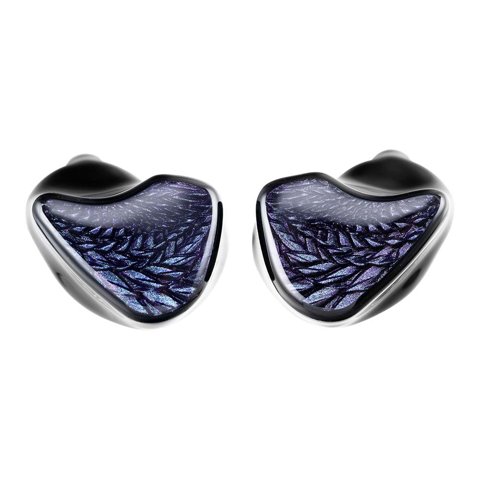
Key Specs
- Celest Wyvern: single 10mm dynamic driver with LCP (liquid crystal polymer) diaphragm, 3D-printed resin shell, detachable 0.78mm 2-pin cable, 32ohm impedance, 105dB sensitivity
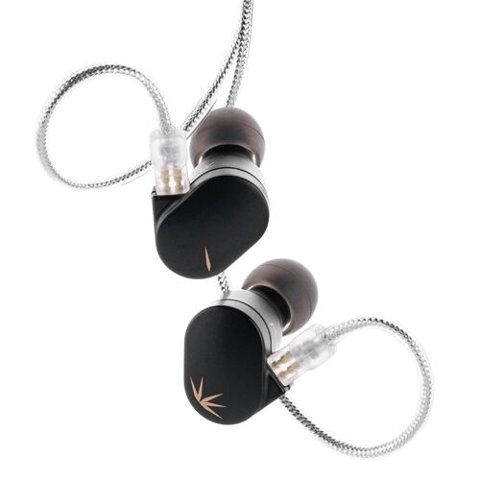
- Moondrop Chu 2: single 10mm dynamic driver with aluminum-magnesium alloy composite diaphragm, zinc-alloy metal shell, detachable 0.78mm 2-pin cable, 18ohm impedance, 119dB sensitivity
- Both ship with a 3.5mm single-ended plug and no in-line mic on the standard cable
- Both sit in the sub-$30 bracket, making them direct rivals for a first “real” IEM purchase
The headline difference is philosophy. The Celest Wyvern chases a warm, Harman-leaning target with lifted sub-bass and a smoother, more relaxed treble. The Moondrop Chu 2 instead follows Moondrop’s own VDSF (virtual diffuse-field) house curve, which reads as leaner, more neutral, and noticeably more forward up top. Neither is objectively “correct” tuning, but they will sound like different products to most ears.
Head-to-Head Comparison
| Spec | Celest Wyvern | Moondrop Chu 2 |
|---|---|---|
| Driver | Single 10mm dynamic, LCP diaphragm | Single 10mm dynamic, aluminum-magnesium alloy diaphragm |
| Shell material | 3D-printed resin | Zinc alloy (metal cavity) |
| Cable | Detachable 0.78mm 2-pin, oxygen-free copper, 4-core twisted | Detachable 0.78mm 2-pin (upgrade over the fixed cable on the original Chu) |
| Impedance / Sensitivity | 32ohm / 105dB | 18ohm / 119dB |
| Sound signature | Warm, U-shaped, lifted sub-bass, smoother treble roll-off | Neutral-bright, VDSF target, more forward treble detail |
| Price tier | Roughly $25-$32 depending on variant | Roughly $19-$23 |
| Accessories | Cable, eartips, carry pouch | Cable, storage bag, 3 pairs of eartips (S/M/L), QC card, wearing guide |
Sound Signature in Practice
I tested both back to back over a couple of weeks using the same dongle DAC and the same set of tracks, and the difference is obvious within the first thirty seconds. The Wyvern digs in with more sub-bass rumble and a rounder, softer top end, which makes it forgiving on poorly mastered MP3s and pleasant for long listening sessions. The Chu 2 is the opposite kind of pleasant: it’s leaner through the bass, quicker sounding, and pulls out more texture in cymbals and vocal sibilance, though that same forwardness can turn fatiguing on already-bright recordings.
Neither driver is going to embarrass full-size headphones twice their price, but for casual commuting or desk listening, both do enough right that you stop noticing you spent under thirty dollars.
Build Quality and Comfort
The Wyvern’s resin shell is lighter in the ear and the shaping is fairly ergonomic, though resin can occasionally trap heat over long sessions. The Chu 2 swaps that for a zinc-alloy metal shell, which feels noticeably denser and gives a more “premium” tactile impression when you’re just holding it, at the cost of being a hair heavier in the ear canal for smaller ears.
- Both use a standard 0.78mm 2-pin connector, so aftermarket cable swaps are straightforward on either one
- Both come with a 3.5mm single-ended termination out of the box, so balanced listeners will need a replacement cable
- The Chu 2’s metal shell is the more scratch-resistant of the two long term
Per Daniel R., who is an Audio Enthusiast and Head-Fi reviewer, “At this price point the real question isn’t which one measures better, it’s which coloration you can live with for hours at a time. The Wyvern is the easy-listening option, the Chu 2 is the one that keeps you hearing new details in old albums.”
Which One Should You Buy
If you mostly listen to bass-driven genres like hip-hop, EDM, or pop and want something relaxed enough for multi-hour sessions, the Celest Wyvern is the safer pick. If you lean toward acoustic, jazz, or vocal-forward material and want a leaner, more analytical presentation, the Chu 2’s VDSF tuning will likely click with you faster. Budget-conscious buyers who want the absolute lowest entry price should also note the Chu 2 usually undercuts the Wyvern by a few dollars, which matters more than it sounds like it should at this price tier.
Community threads on Head-Fi tend to back this split up: reviewers who prioritize bass impact land on the Kinera side, while measurement-focused listeners tend to favor the Moondrop tuning philosophy.
Frequently Asked Questions
Are the Celest Wyvern and Moondrop Chu 2 cable-compatible?
Yes. Both use the standard detachable 0.78mm 2-pin connector, so cables are interchangeable between them and with most other budget IEMs using the same connector standard.
Is the Moondrop Chu 2 a big upgrade over the original Chu?
The most notable change is the switch to a detachable cable instead of the original’s fixed cable, along with a refined driver assembly. The overall tuning direction stays close to Moondrop’s house sound.
Do either of these need an amplifier?
No. Both are easy to drive straight from a phone or laptop headphone jack; the Chu 2’s higher sensitivity rating means it will actually get louder at a lower volume setting than the Wyvern.
Which one is better for gym or commuting use?
The Wyvern’s lighter resin shell and warmer tuning tend to feel more comfortable and forgiving through noisy environments and lower-bitrate streaming audio, making it the more practical daily-commute pick for most people.
Conclusion
Both the Celest Wyvern and the Moondrop Chu 2 punch well above their price, and you honestly can’t go too wrong picking either one as an entry into higher-fidelity listening. The decision mostly comes down to taste: warmer and bassier with the Wyvern, or leaner and more detail-forward with the Chu 2. If you already know which side of that fence you sit on, that’s your answer. If you’re not sure yet, the Chu 2’s lower price and metal build make it a slightly easier first purchase to recommend.
Ryan has spent more hours than he’d like to admit swapping eartips and comparing budget IEM tuning curves against his reference headphones. He writes at softwaredriverdownload.com.