Essager and Baseus show up next to each other constantly in cheap cable and charger listings, and a reader recently asked which one is actually worth buying since the prices look so similar at a glance. This is not a single-model matchup, since neither brand has one flagship product that maps directly to the other. Instead it is a comparison of two different approaches to the budget-to-midrange charging accessory market, based on their broader product ranges, build quality patterns, and where each brand tends to compete on price.
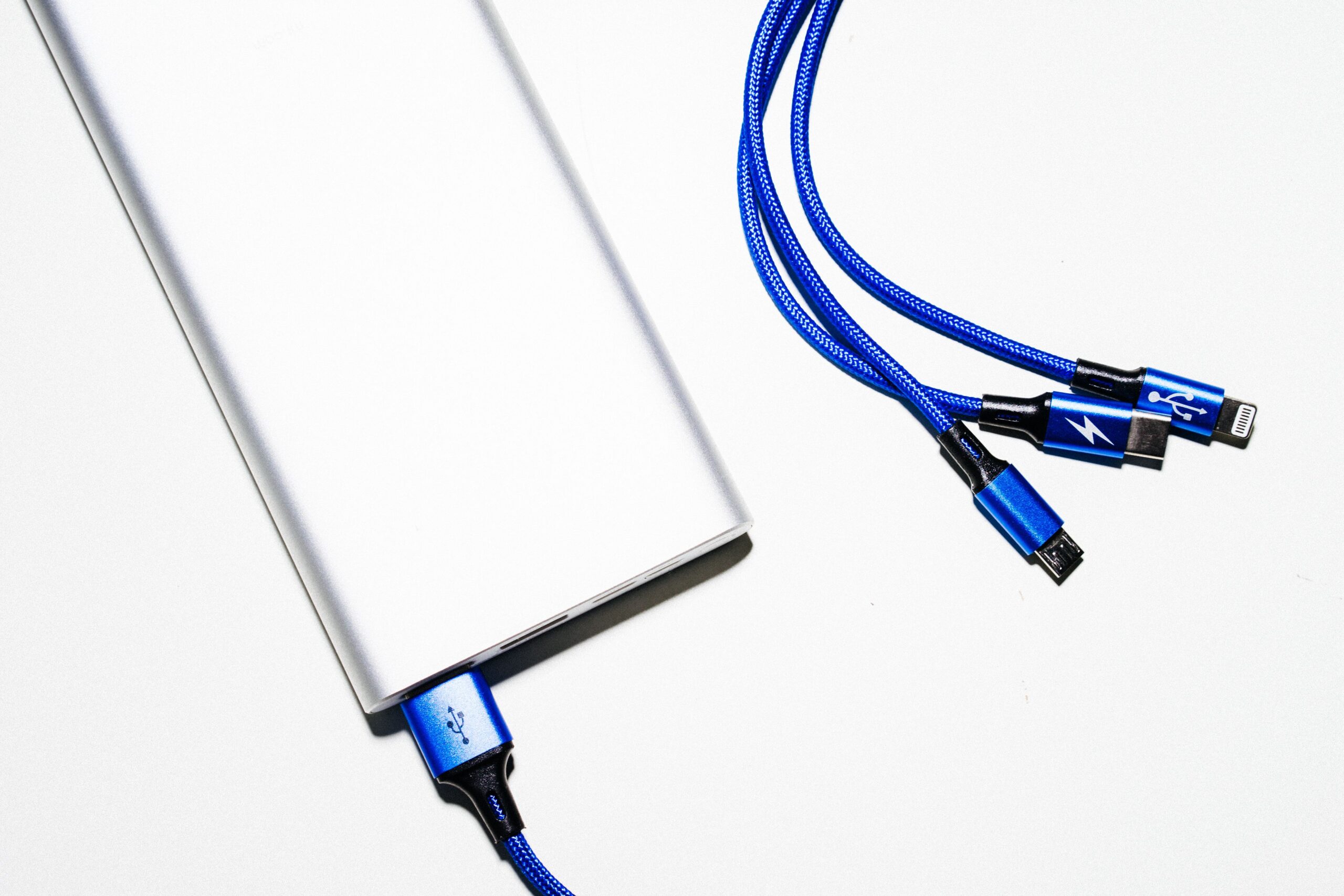
| Quick facts | Essager | Baseus |
|---|---|---|
| Catalog size | Narrow, mostly cables and compact chargers | Broad, includes GaN chargers, power banks, car chargers |
| Typical price | Lower, marketplace pricing | Slightly higher, wider retail availability |
| Max charger wattage | Mostly phone/tablet range | Extends into laptop-class GaN chargers |
| Best for | Cheap backup or spare cables | Daily-use primary cable or charger |
Where Each Brand Comes From
Baseus is the larger and better-established of the two, with a wide catalog spanning cables, GaN wall chargers, car chargers, power banks, and even smart home accessories. It has retail presence on major platforms worldwide and a reputation for pushing higher wattage fast-charging tech, including its Enercore line of power banks with retractable cables and graphene-assisted heat dissipation. Essager is a newer, more narrowly focused brand that concentrates mostly on cables, short adapters, and compact chargers, competing heavily on price through marketplaces like AliExpress rather than broad retail distribution.
That difference in scale matters in practice. Baseus has more resources for quality control across a bigger range, while Essager keeps its lineup tighter and its prices consistently lower, which is exactly the trade-off you would expect between a broader brand and a leaner one.
Build Quality and Everyday Durability
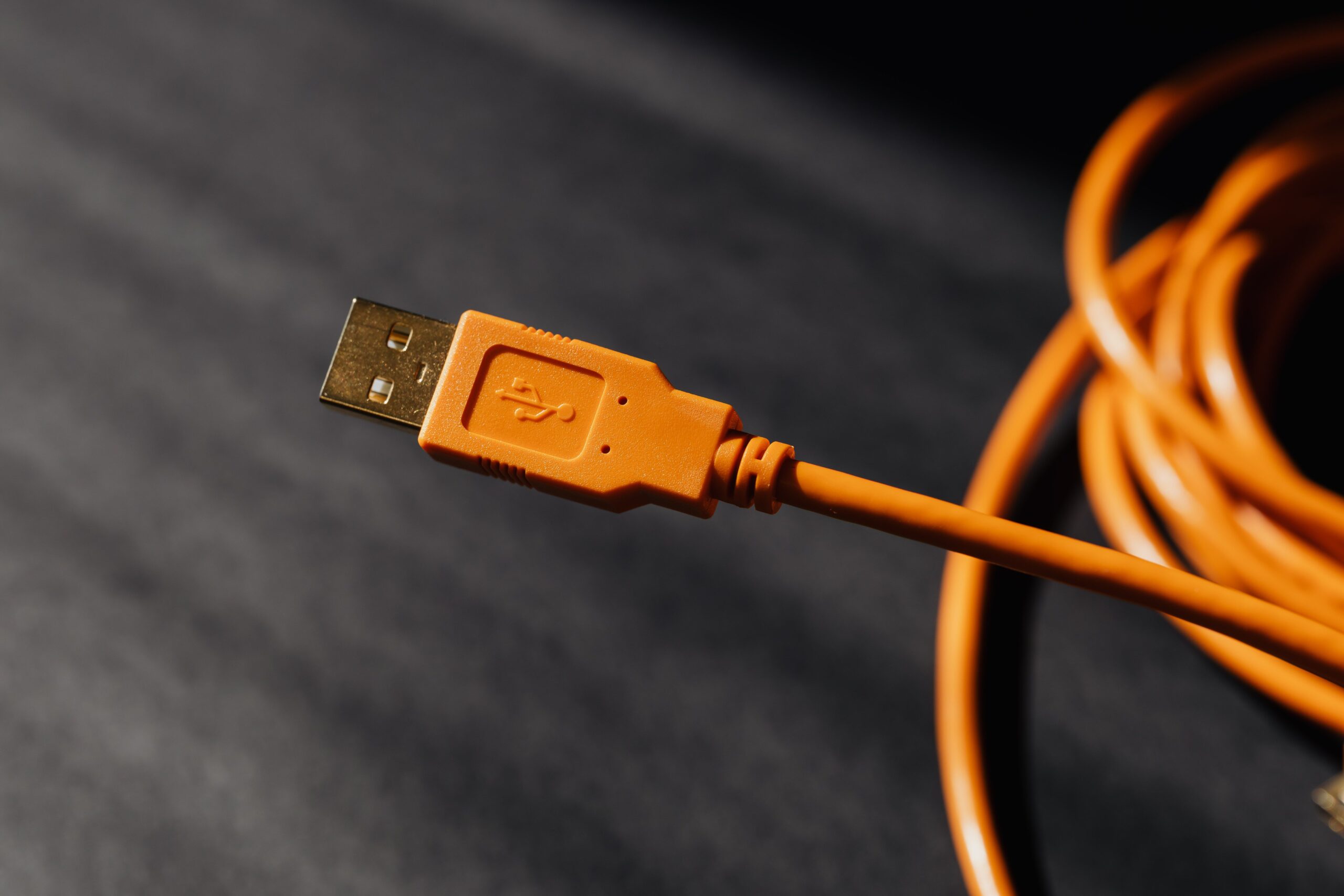
I have used both brands’ cables in daily rotation, and the pattern I noticed matches what shows up consistently in user reviews: Baseus cables generally use thicker braided sleeving and sturdier connector housings, which holds up better against the kind of repeated bending that happens when a cable lives on a nightstand or in a bag. Essager cables feel noticeably lighter and thinner, which is fine for occasional use but tends to show fraying sooner under heavy daily use, particularly right at the connector.
- Baseus connectors generally feel more reinforced against wobble over time
- Essager cables are lighter and more compact, which some people prefer for travel
- Both brands use standard USB-C, Lightning, and Micro-USB connector options across their ranges
- Neither brand publishes MIL-SPEC durability certifications the way some premium brands do, so treat both as budget-to-midrange rather than rugged-tier
Charging Speed and Power Delivery
Both brands support fast charging standards including USB Power Delivery and Qualcomm Quick Charge on compatible cables and chargers, and both offer GaN wall chargers in the 30W to 100W range depending on the specific model. Baseus tends to push higher-wattage flagship chargers more aggressively, including some multi-port desktop chargers aimed at charging a laptop and phone simultaneously. Essager’s charger lineup is smaller and generally caps out at more modest wattages aimed at phones and tablets rather than laptops.
If your main use case is charging a phone quickly, either brand will get the job done, since actual charging speed is limited more by your device’s supported charging standard than by which of these two cables you plug in. The gap widens if you need to charge a laptop or a higher-wattage device, where Baseus’s higher-end GaN chargers have more headroom.
| Category | Essager | Baseus |
|---|---|---|
| Product range | Narrow: cables, short adapters, compact chargers | Broad: cables, GaN chargers, power banks, car chargers, smart accessories |
| Typical price positioning | Lower, marketplace-driven pricing | Slightly higher, wider retail availability |
| Cable build | Lighter, thinner sleeving | Thicker braiding, more reinforced connectors |
| Max charger wattage tier | Mostly phone and tablet range | Extends into laptop-charging GaN chargers |
| Retail distribution | Mostly marketplace platforms | Wide retail and marketplace presence |
Price and Value for Different Use Cases
If you just need a cheap backup cable to throw in a drawer, glove box, or travel bag, Essager’s lower price makes sense and the shorter lifespan matters less since it is not your primary daily cable. If you want something that will survive a year of nightstand duty or you are shopping for a higher-wattage charger to top up a laptop alongside your phone, Baseus is the safer pick, both for the build quality and for the wider selection of higher-power options.
Warranty support is another point worth checking directly with the seller before buying either brand, since coverage terms can vary by region and retailer rather than being uniform globally. You can check Baseus’s official site for current product specs and support details, and compare listed specs on the platform you are buying from for Essager, since it does not maintain as large an official support portal.
Troubleshooting Common Issues
Most complaints about budget charging accessories from either brand come down to a handful of predictable causes rather than a defective product, so here’s what to check before writing off a cable or charger:
- Cable plugged in but device isn’t charging: check that both ends are fully seated, not just resting in the port, and try a different wall adapter to rule out a dead charger rather than a bad cable.
- Charger feels warm during fast charging: some warmth is normal under high wattage, but if it’s uncomfortably hot to touch or you notice a burning smell, unplug it immediately and stop using that unit.
- Device isn’t fast charging even with a PD-rated cable: all three pieces (cable, charger, and device) need to support the same Power Delivery or Quick Charge standard; the weakest link in that chain sets your actual charging speed.
- Fraying near the connector: this shows up more on thinner Essager-style cables under heavy daily bending. Avoid sharp bends right at the plug and consider a cable clip to reduce stress on that point.
- Laptop not recognizing a GaN charger: confirm the charger’s rated wattage meets or exceeds what your laptop actually needs, since undersized chargers will sometimes trickle-charge or refuse to charge at all rather than charging slowly.
Frequently Asked Questions
Are Essager and Baseus made by the same parent company?
No, they are separate companies. The similarity in pricing and packaging style on marketplace platforms sometimes creates that impression, but they operate independently.
Which brand is better for fast-charging a laptop?
Baseus, mainly because its GaN charger lineup includes higher-wattage multi-port options built with laptop charging in mind, while Essager’s range skews toward phone and tablet charging.
Is Essager reliable enough for everyday use?
For light to moderate use it is generally fine, though the thinner cable construction means it is more likely to show wear sooner than a comparable Baseus cable under heavy daily bending and coiling.
Do both brands support USB-C to USB-C fast charging?
Yes, both offer USB-C to USB-C cables and chargers supporting Power Delivery, though always check the specific model’s wattage rating rather than assuming every cable in a brand’s lineup supports the same maximum speed.
App Ecosystem and Smart Features
Baseus has pushed further into smart accessories, with some power banks and chargers offering companion apps for checking charge status, monitoring wattage output in real time, or scheduling charging cycles to protect battery health overnight. Essager’s lineup stays simpler and mostly app-free, which is not necessarily a downside if you just want a cable that plugs in and works without another app cluttering your phone. If you like the idea of monitoring exactly how many watts your charger is delivering to a device, Baseus is the brand more likely to offer that as a built-in feature on select models.
What I Would Actually Buy Based on Use Case
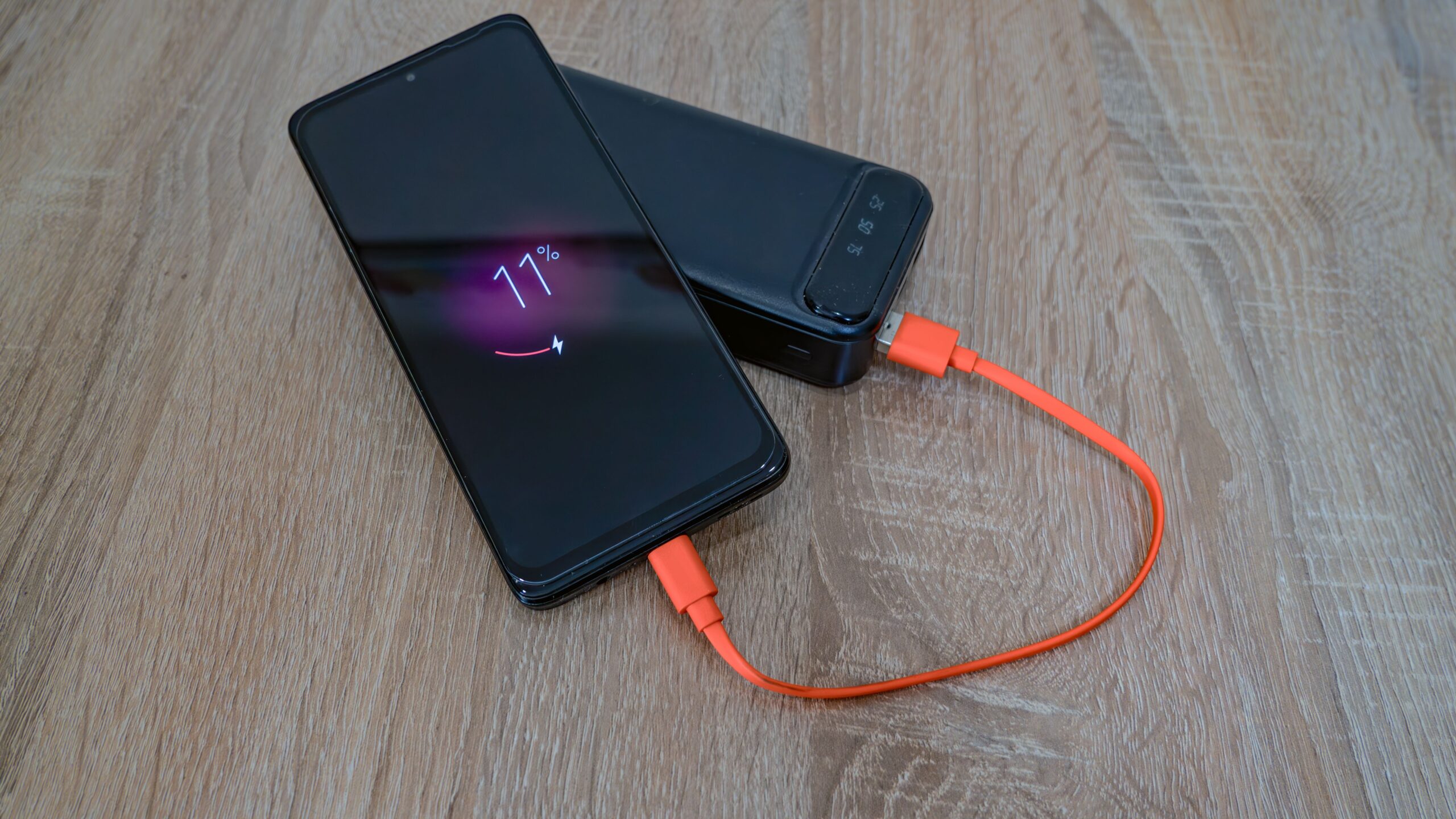
Breaking it down by scenario makes the choice easier than trying to declare one brand the universal winner:
- Backup cable for a car, bag, or office drawer: Essager, since the lower cost makes losing or wearing one out less annoying
- Primary daily charging cable at your bedside or desk: Baseus, for the sturdier build under constant use
- Charging a laptop and phone from one charger while traveling: Baseus, thanks to its higher-wattage multi-port GaN options
- Buying several cables at once on a tight budget, such as for a shared household or office: Essager, since the lower per-unit price adds up to real savings across multiple cables
Final Thoughts
Neither brand is objectively “better” across the board. Essager wins on price for light, occasional use, while Baseus wins on build quality and higher-power options for daily reliance. My own take after mixing both in rotation for a while: I keep an Essager cable in my bag as a cheap spare and a Baseus cable on my desk where it gets used every day, and that split has worked out well in practice.
About the author: Ryan tests and compares budget charging accessories regularly, tracking which cables and chargers actually hold up beyond the first few weeks of use.