At $899, the Zen Pro sits at the top of DUNU’s single-dynamic-driver lineup, and it’s meant as a direct answer to the question of how far one well-engineered driver can be pushed before diminishing returns kick in. Having spent real time with it against multi-driver flagships in the same price range, the case for a single-DD flagship is more convincing than the spec sheet alone suggests.
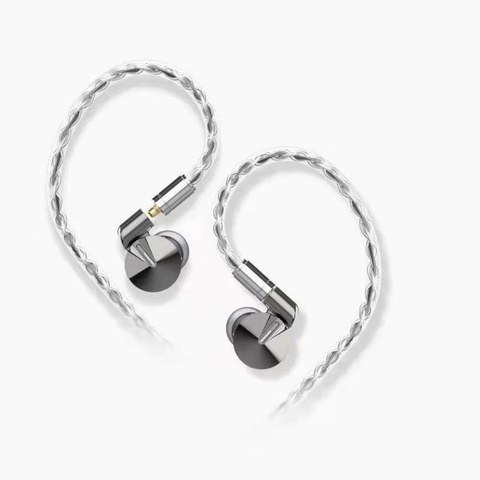
Quick Facts: DUNU Zen Pro
| Spec | Value |
|---|---|
| Driver type | Single dynamic driver, 2nd-gen Magnesium-Aluminum dome with nanoDLC coating |
| Magnet | Ring-type neodymium, rated above 1.8T flux |
| Impedance | 16Ω |
| Sensitivity | 112±1dB |
| Frequency response | 5Hz – 40kHz |
| THD | Below 0.2% at 1kHz |
| Shell material | S316 surgical-grade stainless steel |
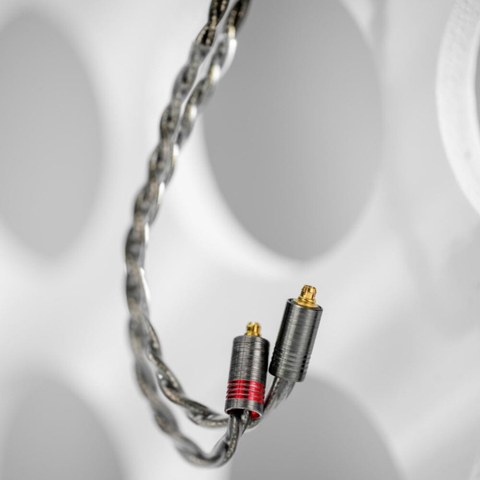
| Connector | Detachable cable, balanced 4.4mm available |
| Price | $899 |
The Driver: Second-Generation Magnesium-Aluminum
The Zen Pro’s driver is a second-generation Magnesium-Aluminum alloy dome, coated with nanoDLC — a nanoporous amorphous carbon layer that stiffens the diaphragm without adding meaningful mass. Behind it sits a ring-type neodymium magnet rated above 1.8T of magnetic flux, which is an unusually strong magnetic circuit for an in-ear driver of this size. DUNU pairs all of this with a patented Air Control Impedance System (ACIS), which manages internal air pressure and damping so the driver doesn’t develop the harshness or ringing that can plague high-excursion dynamic drivers pushed this hard.
On paper, THD sits below 0.2% at 1kHz, impedance is a low 16Ω, sensitivity is rated at 112±1dB, and frequency response is specified from 5Hz all the way to 40kHz. Those are flagship-tier numbers by any measure.
Build: S316 Stainless Housing
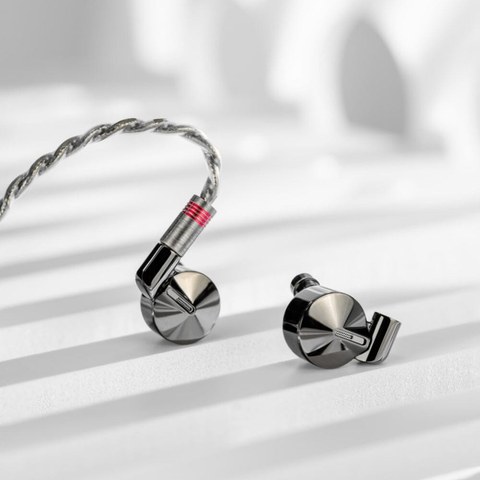
The shells are carved from S316 stainless steel, the same grade used in surgical instruments for its corrosion resistance and density. It gives the Zen Pro real heft in the hand without feeling unwieldy in the ear once seated — the shape is contoured well enough that the added weight isn’t an issue during long listening sessions. Full technical documentation is available on DUNU-TOPSOUND’s official product page if you want to dig into the engineering further.
Sound: Neutral With a Touch of Warmth
The tuning philosophy here is transparency first. There’s no obvious coloration pushing any one frequency band forward artificially — instead the Zen Pro presents a neutral baseline with just enough warmth added to keep it from sounding clinical. Imaging is precise enough that you can place instruments with confidence, layering is distinct even in busy mixes, and the staging comes across as deep without ballooning into an artificially oversized soundstage the way some tuned-for-demo flagships do.
This restraint is deliberate, and it’s the harder engineering path. It’s easy to tune a driver to impress in a five-minute demo by boosting bass or adding treble sparkle; it’s much harder to build a driver precise enough that it doesn’t need those crutches. The ACIS air-damping system plays a direct role here, keeping the diaphragm’s movement controlled enough that transients stay sharp instead of smearing into each other on complex passages.
Bass extension deserves a specific callout: it’s well-extended but restrained, more felt than heard in the way a good subwoofer disappears into a mix rather than announcing itself. If you’re used to bass-boosted consumer tuning, this will initially read as understated, but give it time and the control becomes the appeal rather than a limitation.
Where It Fits in the Flagship Conversation
Single dynamic driver flagships live or die on whether the extra engineering actually translates to a more coherent sound than a well-tuned multi-driver hybrid, and the Zen Pro makes a strong case that it does. Because everything comes from one driver, there’s no crossover point to manage, no phase alignment between different driver types to get right — the ACIS and nanoDLC dome are doing the heavy lifting instead. The tradeoff is that a single driver has a physical ceiling on how many simultaneous timbres it can render with total distinction compared to a well-executed multi-driver hybrid, though at this level of engineering that ceiling is high enough that most listeners won’t run into it in normal use.
Detailed measurement threads and long-term impressions are also worth checking on Head-Fi and Headfonics before committing to a purchase at this price point, since personal fit and source pairing both matter more the higher up the price ladder you go.
Amping and Source Synergy
The 16Ω impedance and 112±1dB sensitivity make the Zen Pro relatively easy to drive on paper, but in practice it rewards a genuinely resolving source more than most single-DD sets I’ve spent time with. On a basic phone output, the Zen Pro sounds good — clean, balanced, controlled. Move to a higher-end DAP or a desktop DAC/amp stack and the improvements are not subtle: imaging tightens further, the bass extension mentioned earlier becomes more textured rather than just present, and the overall sense of space opens up noticeably. This is a driver that scales with the gear feeding it, which is exactly what you’d want from something at this price.
Balanced output over 4.4mm, where available, brings a small but real improvement in channel separation and dynamic headroom compared to single-ended 3.5mm. If you already own balanced-capable source gear, it’s worth using here.
Troubleshooting Common Issues
A flagship IEM at this price should be trouble-free, but a few practical snags come up often enough with the Zen Pro, and single-DD flagships generally, to address directly.
- Sound seems thin or bass-light out of the box: Check eartip seal first — a shallow or loose seal loses low-end response before anything else, and the stock tip selection is broad enough that a size change usually fixes this.
- Hiss or background noise on a phone source: At 16Ω and 112dB sensitivity, the Zen Pro can reveal amp hiss that a less sensitive IEM would mask; try a cleaner source or a source with a dedicated low-gain/IEM mode if your phone or DAP offers one.
- Cable feels stiff or develops memory kinks: This is normal on a new detachable cable; a few days of normal wear typically relaxes it, and storing it loosely coiled rather than tightly wound prevents kinks from setting in.
- Imaging or channel balance feels off: Reseat the connector fully on both sides — a slightly loose connector is a common, easily overlooked cause of perceived imbalance.
- Fatigue during long sessions despite neutral tuning: This is usually source-related rather than the IEM itself; poorly mastered or heavily compressed tracks will expose harshness that a warmer-tuned IEM would smooth over, so try switching material before assuming the hardware is at fault.
Accessories and Everyday Practicality
DUNU includes a comprehensive eartip selection and a proper carrying case befitting the price point, along with a cable that matches the build quality of the shells themselves rather than feeling like a bundled afterthought. Given the S316 stainless housing’s weight, the shell shape does most of the work in keeping long sessions comfortable, and it succeeds — this isn’t a set that starts to feel heavy or fatiguing after a couple of hours the way some metal-shelled IEMs can.
One practical note: because the tuning is neutral rather than boosted anywhere, the Zen Pro is unforgiving of poorly mastered recordings. Well-recorded acoustic, jazz, and orchestral material is where it shines brightest; heavily compressed modern pop masters won’t show off what this driver can actually do.
Verdict
The Zen Pro earns its place at the top of DUNU’s single-DD range. It’s neutral without being boring, detailed without being fatiguing, and built to a standard that matches the asking price. If your listening priorities are accuracy, imaging, and a bass that never overstays its welcome, this is one of the more convincing single-driver flagships currently on the market.
Notes above reflect extended personal listening time with the Zen Pro across multiple source pairings, written up only after the initial impressions had time to settle.