Single-dynamic-driver and hybrid IEMs get compared constantly, but the DUNU Kima 2 and the Truthear Pure make for an unusually clean matchup because they sit at different price tiers while both chasing a natural, listenable tuning rather than a bass-heavy consumer sound. I spent time with both side by side, swapping tips and sources, to figure out where the extra cost of the Kima 2 actually goes and whether the Pure gives up much by comparison.
Two Different Driver Philosophies
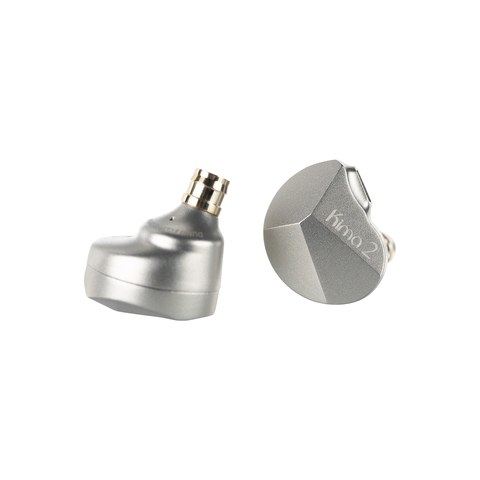
The Kima 2 is built around a single dynamic driver with an external magnetic DLC (diamond-like carbon) composite diaphragm, a design DUNU carried down from its higher-tier Falcon Ultra models. The idea behind a single, well-executed dynamic driver is coherence: with only one driver reproducing the entire frequency range, there is no crossover to manage and no risk of a lower driver and a higher driver sounding slightly out of step with each other.
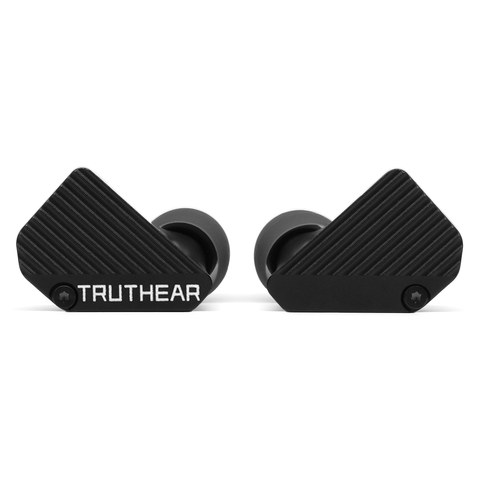
The Truthear Pure takes the opposite approach with a 1DD+3BA hybrid layout: a 10mm dynamic driver handling bass and lower midrange, paired with three balanced armature drivers covering the rest of the spectrum. Truthear’s dynamic driver uses an LCP (liquid crystal polymer) dome, an N52 magnet, and a copper voice coil, aiming for a fast, well-controlled low end that hands off cleanly to the armatures.
Spec Comparison
| Spec | DUNU Kima 2 | Truthear Pure |
|---|---|---|
| Driver configuration | Single DD, external magnetic DLC composite diaphragm | 1DD + 3BA hybrid, 10mm LCP dome DD |
| Frequency response | 5Hz – 40kHz | 7Hz – 40kHz |
| Impedance | 20Ω | 13.8Ω |
| Sensitivity | 108dB/mW (125dB/Vrms) | 124dB/Vrms @ 1kHz |
| THD | < 0.3% | Not officially published |
| Shell material | S316 stainless steel, ~10.5g per side | DLP 3D-printed resin |
| Cable | 4-core single-crystal copper + silver-plated OCC, Q-Lock Mini swappable plugs (3.5mm/4.4mm) | Copper silver-plated coaxial cable, fixed termination |
| Connector | 0.78mm 2-pin | 0.78mm 2-pin |
Build and Fit
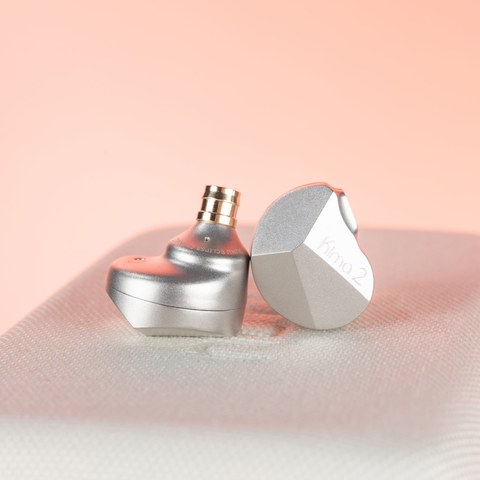
The Kima 2’s S316 stainless steel shells are noticeably denser than the Pure’s 3D-printed resin shells, and at roughly 10.5g per side they have a bit more heft in the ear, though the shape is still contoured for long sessions. The stainless construction also feels more resistant to scratches over time compared to a printed resin shell, which is worth factoring in if you tend to toss your IEMs into a bag without a case.
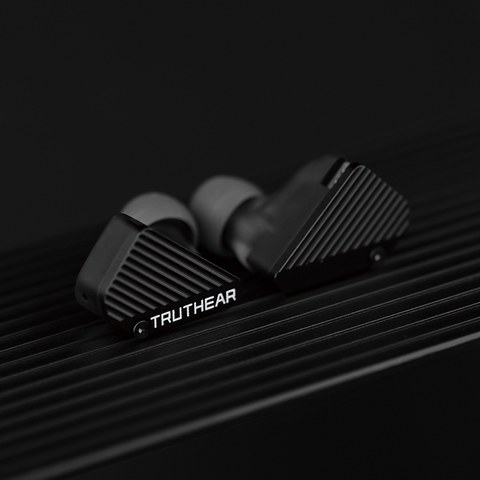
The Pure’s DLP 3D-printed shells keep weight down and are a big part of why it is comfortable enough for extended listening despite having four total drivers per side packed into a small housing. Both IEMs use a standard 0.78mm 2-pin connector, so cable rolling is not a barrier for either one.
Cable and Accessories
This is where the price gap shows up most clearly. The Kima 2 ships with a 4-core single-crystal copper and silver-plated OCC cable using DUNU’s Q-Lock Mini system, letting you swap between 3.5mm single-ended and 4.4mm balanced terminations without an adapter. The Truthear Pure comes with a simpler copper silver-plated coaxial cable with a fixed termination, which keeps costs down but means you will need a separate adapter or aftermarket cable if you want to switch between single-ended and balanced sources.
Sound Signature
Both IEMs lean toward a natural, non-fatiguing tuning rather than an aggressive V-shape, but they get there differently. The Kima 2’s single dynamic driver produces a coherent, full-bodied sound with a slightly warmer low end and smooth transitions across the frequency range, which is typical of well-tuned single-DD designs. The Truthear Pure, helped by its three balanced armatures, resolves fine detail in the upper midrange and treble a bit more distinctly, though the crossover between the dynamic driver and the armatures needs to be well executed to avoid sounding disjointed, and Truthear’s tuning here is generally regarded as one of the more successful hybrid implementations at its price. You can find independent measurements and listening notes on both from sites like Head-Fi and Headfonics.
Source Pairing and Power Requirements
Impedance and sensitivity numbers matter more than most buyers realize when picking a source. The Kima 2’s 20Ω impedance and 108dB/mW sensitivity mean it is reasonably easy to drive from a phone dongle or a basic DAP, though it will still scale a little with a cleaner amp section. The Truthear Pure’s lower 13.8Ω impedance and higher 124dB/Vrms sensitivity make it very easy to get loud even from weak sources, but that same sensitivity can make it more prone to picking up hiss from noisy amps, so pairing it with a clean, low-noise-floor source is worth paying attention to if you notice background hiss on quiet tracks.
Neither IEM needs a desktop stack to sound its best, which is part of the appeal of both designs — you are not locked into carrying a dedicated amplifier just to get a good listening experience out of either one.
Which One Should You Buy?
If you want a single-driver flagship-tier experience with a metal shell, a swappable balanced cable, and DUNU’s house tuning, the Kima 2 is the more complete package, and the price reflects that. If you are working with a tighter budget and want a hybrid design that still avoids being harsh or overly analytical, the Truthear Pure punches well above its price and remains one of the most talked-about budget hybrids on forums and in comparison reviews. Retailers like Linsoul stock both, making it easy to compare specs side by side before deciding.
Long-Term Ownership Considerations
Beyond the initial listening impressions, a few practical points are worth keeping in mind if you plan to hold onto either IEM for the long haul. The Kima 2’s metal shell and swappable balanced cable make it a more future-proof purchase if you expect to upgrade your DAP or add a balanced source down the line, since you will not need to buy an adapter or a new cable to take advantage of a 4.4mm output. The Truthear Pure’s lower price point makes it easier to treat as a stepping-stone IEM — something you can recommend to a friend getting into the hobby, or keep as a reliable backup pair without worrying about the cost of losing or damaging it.
Resale value is another small factor: DUNU’s higher-tier products, including the Kima 2, tend to hold value reasonably well on the secondhand market given the brand’s established reputation, while budget hybrids like the Pure are priced low enough that resale value is rarely the deciding factor in the purchase.
Troubleshooting Common Issues With Both IEMs
- Problem: The Kima 2 sounds unexpectedly quiet on a phone dongle. Fix: its 20Ω impedance is easy to drive overall, but a weak or older dongle DAC can still leave headroom on the table; try a more current dongle before assuming the driver is underpowered.
- Problem: The Truthear Pure picks up background hiss on quiet tracks. Fix: this traces back to its high sensitivity rather than a fault – pair it with a source that has a genuinely low noise floor, since hiss that is inaudible on less sensitive IEMs can become noticeable here.
- Problem: Bass feels thin on either IEM despite a good source. Fix: check the eartip seal first; both designs depend on a proper seal for full low-end extension, and a loose fit is the most common cause of weak-sounding bass on any IEM.
- Problem: The Kima 2’s Q-Lock Mini cable termination feels loose. Fix: make sure the swappable plug is fully clicked into place rather than just seated; the mechanism needs a firm push until it clicks, not just a gentle press.
- Problem: One channel sounds quieter after swapping cables. Fix: reseat the 0.78mm 2-pin connectors fully on both sides, since a partially inserted pin is the most common cause of a channel imbalance on either IEM.
I have spent a good chunk of the last few years running IEMs and DACs through daily listening sessions before writing about them, and this comparison reflects hands-on time with both units rather than spec-sheet guesswork.