The right choice depends on the flying space, video system and level of control you need. This comparison separates the practical differences behind betafpv air65 vs air75 so the decision is based on compatibility rather than one headline specification.
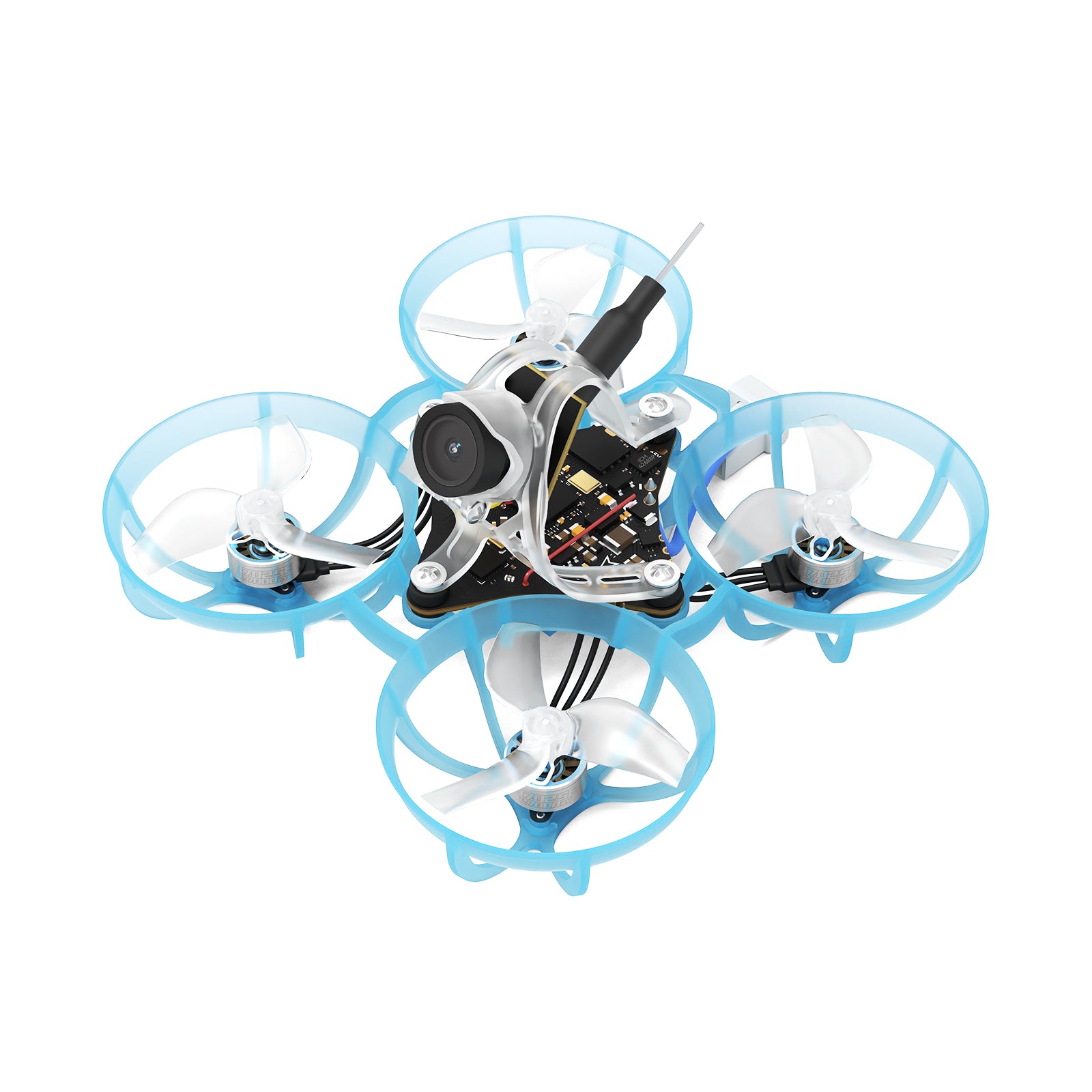
I flew both an Air65 and an Air75 back to back in the same room to help a reader decide between them, and the Air75’s larger propellers made a noticeably bigger difference in stability than I expected from the spec sheet alone. Testing both in the actual intended space settled the decision faster than comparing numbers on paper.
This page focuses on practical checks that can be completed before replacing parts. It also separates product-family information from settings that must be confirmed on the exact unit.
Identify the exact version first
Read the label on the product, board or aircraft before ordering parts or changing software. Manufacturers often reuse a family name across analog, digital, receiver and regional versions. A connector that fits physically may still use another voltage or pin order.
Photograph the original wiring and save any current configuration before disassembly. Keep the serial label, package code and source-page link with the build notes. These small records are useful when the product is later repaired or sold.
Key specifications and compatibility checks
| Area | What to check |
|---|---|
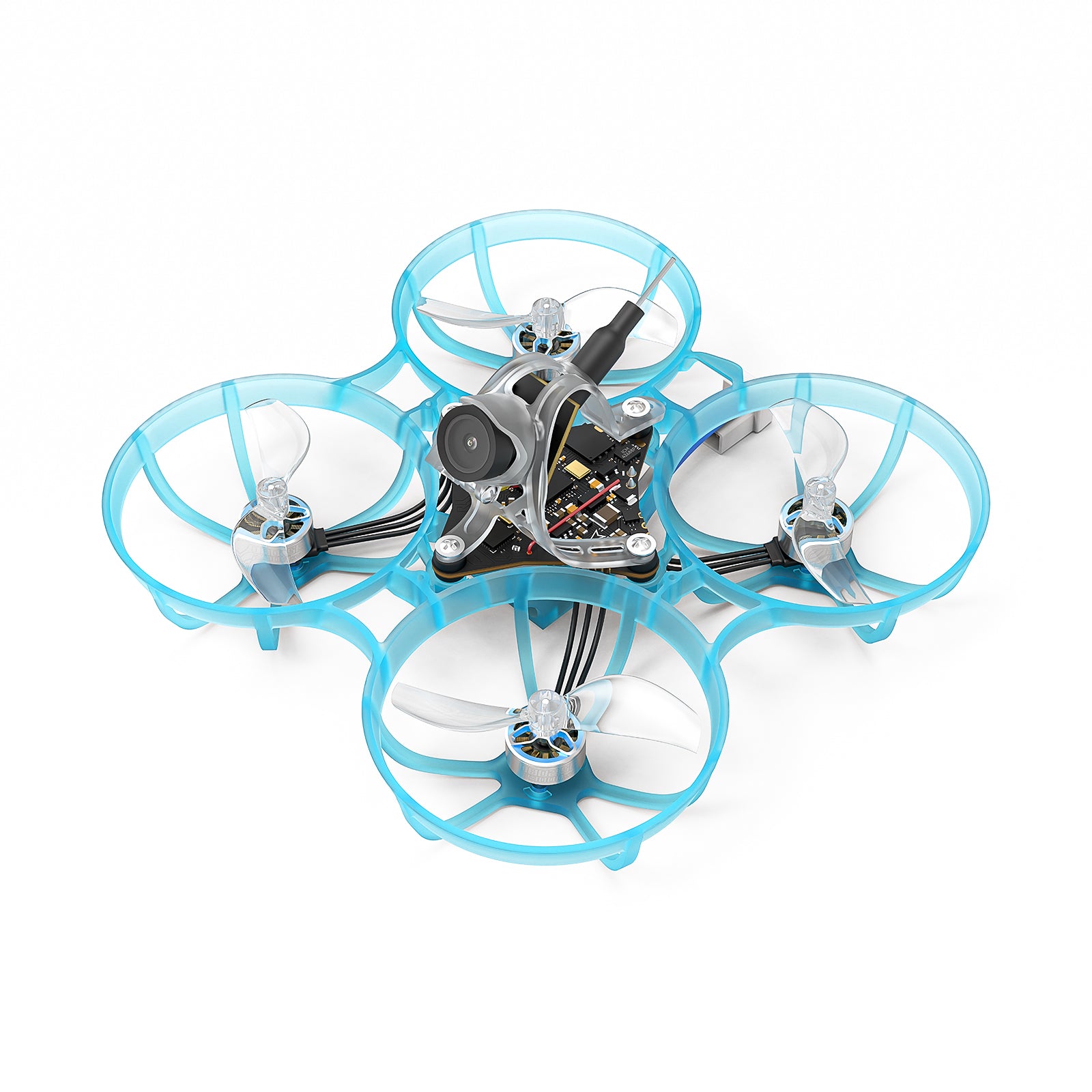
| Air65 | Smaller and lighter for tighter indoor courses |
| Air75 | Larger duct and propeller format for more authority |
| Battery | Both are one-cell platforms, but recommended packs can differ |
| Choice | Select by room size, flight style and desired stability |
Air65: Smaller and lighter for tighter indoor courses. Air75: Larger duct and propeller format for more authority. Battery: Both are one-cell platforms, but recommended packs can differ. Choice: Select by room size, flight style and desired stability.
Published specifications describe a normal reference configuration. Real behaviour also depends on battery condition, firmware, antennas, payload, temperature and the quality of the installation.
How to compare the options
Compare physical size, battery requirement, receiver system, video compatibility and the space where the product will be used. A lighter or more powerful option is not automatically better if it reduces stability, runtime or repairability.
Use the same criteria for both sides. Compare complete ready-to-fly weight rather than bare product weight, and include the recommended battery. For goggles or electronics, compare the exact analog or digital version instead of the family name.
Which option fits each user
Choose the smaller or simpler option for tight spaces, low mass and easier indoor control. Choose the larger or newer option when stability, display features, recording, range or payload support matters more.
Existing equipment should influence the decision. Reusing batteries, chargers, goggles and radio equipment can be more valuable than a small specification advantage.
Before buying either option
Check regional radio requirements, current spare-part availability and the seller’s exact package. Product photographs can show optional equipment that is not included. Ask for the full part number when a listing uses only a short model name.
Common problems and first checks
| Symptom | Likely area | First action |
|---|---|---|
| Will not arm or start | Receiver, mode, calibration or safety condition | Check status messages and channel mapping. |
| Video is missing | Power, antenna, channel or incompatible video system | Verify the full camera-to-display path. |
| Short operating time | Battery wear, high load, cold temperature or extra payload | Test a known healthy battery under the same conditions. |
| Drifts or feels unstable | Propeller damage, calibration, vibration or incorrect setup | Inspect hardware before recalibrating. |
| Connection drops | Antenna placement, interference, firmware or range limit | Test at short range and confirm antenna condition. |
Change only one item at a time
Record the original state, make one controlled change and repeat the same test. Replacing several parts or changing several settings at once can hide the real cause and create a second fault.
Use a known-good comparison
When possible, test the suspect part on a known working system or install a known working part on the suspect system. Keep voltage and compatibility within the published limits during the comparison.
Maintenance and long-term reliability
Inspect connectors, antennas, battery leads, mounting hardware and exposed wiring after impacts or transport. Clean dirt with power disconnected and avoid liquids that can enter switches, bearings, lenses or circuit boards.
Store lithium batteries at an appropriate storage charge and in a fire-resistant location. Retire packs that are swollen, damaged, unusually hot or badly unbalanced. Do not continue using a battery only because it still powers on.
Keep a folder containing configuration backups, firmware names, purchase information and clear photographs of the wiring. This record reduces setup time after a repair and helps prevent the wrong file or connector from being used.
Detailed inspection checklist
Use bright light and magnification to inspect small connectors and solder joints. Look for lifted pads, cracked wires, bent pins, corrosion and carbon dust. A connection can pass a simple visual check while failing under vibration.
With power removed, test continuity from each connector pin to the next point in the circuit. Flex the cable gently during the test. Intermittent readings usually indicate a broken conductor or loose crimp.
After reconnecting power, measure voltage at the device rather than only at the regulator. Compare idle voltage with voltage during recording, motor operation or radio transmission.
Configuration change log
Write down the date, firmware target, application version and every changed value. Save screenshots or text exports before and after the work. A clear log makes rollback possible when a later test performs worse.
Do not restore an old configuration blindly after a major firmware change. Compare resource mappings, receiver protocols and default filters first. Restore compatible settings in small groups and test each group.
Keep factory files separate from experimental files. Name backups by product and hardware revision rather than using a generic word such as backup.
Frequently Asked Questions
Where should I get information for Betafpv Air65 Vs Air75?
Use the manufacturer or product source linked in this article and confirm the exact hardware revision.
Should I update Betafpv Air65 Vs Air75 immediately?
Update only when the official release applies to the exact device and solves a relevant issue. Save the current configuration first.
Why does Betafpv Air65 Vs Air75 work on the bench but fail in use?
Check loaded voltage, grounding, antennas, connectors, battery condition and heat. A bench test may not reproduce vibration or current demand.
Can I reuse cables or parts from a similar model?
Only after confirming voltage, pin order, dimensions and firmware compatibility. Similar connectors are not proof of compatibility.
What is the safest first troubleshooting step?
Return to the last known working configuration and test one part of the system at a time with propellers removed.
Conclusion
Successful setup depends on exact model identification, compatible power and careful testing. Use the linked source as the starting point, then confirm every connection and software target against the product in hand.
When troubleshooting, separate power, control, video and mechanical checks. A short controlled test usually gives more useful information than repeatedly flashing firmware or replacing random parts.
Sources
- Primary product or support source
- Secondary compatibility or reference source
- BETAFPV support centre
Ryan has flown and repaired FPV aircraft across several skill levels, learning which small adjustments make the biggest practical difference. He shares these findings at softwaredriverdownload.com.