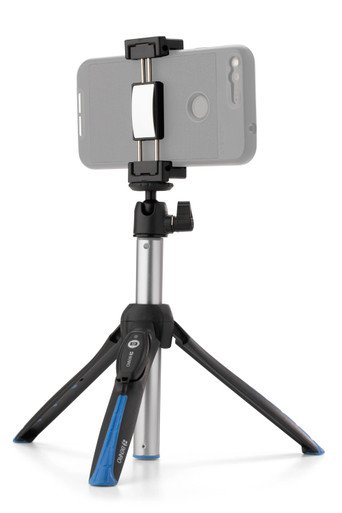
Set up benro bk15 by confirming the exact version, mounting system, power requirement and safe support before use.
I used a BK15 selfie stick tripod for a solo product demo video and the Bluetooth remote kept disconnecting whenever my phone was more than a few steps away. Re-pairing the remote fresh at the start of each session instead of trusting the previous pairing kept the connection solid throughout filming.
This tripod guide separates identification, setup, compatibility and troubleshooting. That order prevents common mistakes such as using the wrong mount, update file, power supply or support hardware.
The label on the product is the final reference. Retailer titles can shorten a name, combine accessories or omit a suffix that changes compatibility.
Identify the exact version first
Read the complete code on the product, controller, battery, power adapter and package. Record suffixes, mount type, firmware version and connector details. A small extra letter can identify different electronics or accessories.
Compare the item with the linked source pages. Check buttons, ports, mounting points, cable orientation and included parts. Similar appearance does not prove electrical or software compatibility.
Photograph the original setup and save current settings before repair or updating. Keep the records with the source links for benro bk15 so the last working configuration can be restored.
Safe setup sequence
- Inspect leg locks, feet, head and quick-release plate.
- Open the legs fully on a firm level surface.
- Attach the plate securely to the camera or lens foot.
- Mount the camera while supporting its weight by hand.
- Set friction and locks before releasing the camera.
- Test stability with the centre column kept low.
Make one controlled change at a time and repeat the same test. This prevents a second fault from hiding the original problem.
Do not force a connector, lens, mounting plate or modifier. Stop when parts do not align easily and verify the model, orientation and thread size.
Specifications and compatibility checks
| Area | What to confirm |
|---|---|
| Product type | Compact tripod or selfie-support model |
| Model | Confirm BK15 on the leg or package |
| Phone mount | Check clamp width and orientation |
| Remote | Bluetooth shutter support depends on package |
| Safety | Use on a level surface with legs fully opened |
Published specifications describe a reference package. Retail bundles may include another cable, battery, case or accessory. Verify the complete kit instead of relying on a short title.
Match electrical limits before physical fit. Voltage, polarity, signal type and pin order matter more than wire colour. Mounted equipment also needs the correct dimensions, thread size, balance and cable clearance.
Maintenance and long-term reliability
Disconnect power before cleaning. Use a soft dry cloth on cabinets, lenses and controls. Do not spray cleaner directly onto electronics, coated reflectors or lens surfaces.
Inspect adapters, batteries, connectors, screws and locks regularly. Retire damaged cables and swollen batteries. Support heavy connectors so they do not pull on a small socket.
Store benro bk15 in a dry area. Protect glass, softbox fabric, carbon legs, quick-release plates and mounting surfaces from pressure and dirt.
Keep a service record with the exact model, firmware, cable types and changed settings. Clear records make recovery and parts ordering easier.
Common problems and first checks
| Symptom | Likely area | First action |
|---|---|---|
| Head slips | Load too high or lock not engaged | Support camera and reset tension |
| Leg collapses | Lock is dirty, loose or damaged | Clean and inspect before reuse |
| Camera twists | Plate screw is loose | Retighten plate against the camera base |
| Pan is uneven | Tension, dirt or overloaded head | Reduce load and set drag carefully |
| Tripod vibrates | Centre column high or surface unstable | Lower the column and widen the stance |
Start with the symptom that can be observed directly. Software cannot repair a damaged cable, weak battery, bent mount, loose lock or wrong power adapter.
Use a known-good comparison when possible. Keep voltage, mount and signal type within the published limits while changing one component at a time.
Final validation before normal use
Complete a full power cycle and confirm that settings remain. Test every input, output, button, lock and indicator that will be used in the real workflow.
Run a longer test instead of stopping after startup. A light should remain stable, a gimbal should hold balance and a tripod should support the load without movement.
Write down the test condition and result. Notes such as “fails only at full output” or “slips only with the long lens” make later troubleshooting faster.
Detailed inspection checklist
Use bright light to inspect ports, plugs, screws, leg locks and cable joints. Look for bent pins, cracked insulation, loose sockets, damaged threads and signs of overheating. A connection can look normal while failing when moved.
Test with the shortest known-good cable or the simplest mounting arrangement. Remove unnecessary adapters, extension leads and accessories. Add them back one at a time only after the basic setup remains stable.
Measure power at the device while the problem is happening. An unloaded battery or adapter can show the correct voltage and then fall when motors, lights or processors draw more current.
Configuration and service records
Write down firmware, cable type, mount, load and every changed setting. Save photographs before and after work. Name records with the exact model and revision.
Keep factory settings separate from experiments. When a change performs worse, return to the last known working state instead of adding another change.
Practical checks before regular use
Confirm that every required accessory is included or available separately. A technically compatible product can still be difficult to use when the correct cable, plate, battery, reflector or stand is missing.
Measure the working area before installation. Check ceiling height, stand footprint, cable reach, camera clearance and storage space. This avoids a setup that fits on paper but becomes unsafe or inconvenient in the real location.
Test the equipment in the same conditions planned for normal use. A short bench test may not reveal heat, battery drain, wind movement, cable strain or balance changes that appear during a longer session.
Safe storage and transport
Remove heavy batteries and accessories before transport unless the manufacturer specifically permits them to remain attached. Use caps, padded cases and cable ties to protect ports, mounts, reflectors and controls.
Store softboxes fully dry and allow hot lighting accessories to cool before packing. Keep tripod locks clean and protect carbon or aluminium leg sections from impact.
Before the next use, inspect the setup again rather than assuming it remained unchanged in storage. Loose screws, discharged batteries and bent cables are common after travel.
Frequently Asked Questions
Where should I get information for Benro Bk15?
Use the manufacturer, support or established product pages linked in this article and match the complete model code.
Can I use an accessory from a similar model?
Only after confirming the mount, dimensions, voltage and part number. Similar appearance does not guarantee compatibility.
Should I install firmware immediately?
Update only when the official file applies to the exact hardware and solves a relevant issue. Record the current version first.
Why does the product work briefly and then fail?
Loaded voltage, heat, cable strain, poor balance or a loose connection may appear only during a longer test.
What is the safest first troubleshooting step?
Return to the last known working setup and test power, connection, configuration and hardware one section at a time.
Sources
Ryan has used compact phone tripods with Bluetooth remotes for solo content creation, learning small re-pairing habits that prevent mid-shoot disconnects. He shares these findings at softwaredriverdownload.com.