The Aukey Basix Mini 20W (model PB-N83S) is a 10,000mAh power bank built for people who want fast charging without carrying a brick in their pocket. It fits in a jacket pocket, charges through USB-C at up to 20W, and can top up a phone twice before it needs its own recharge.
I picked one of these up for a weekend trip because my usual power bank was too bulky to carry around a theme park all day, and I wanted something I could genuinely forget was in my bag. After using it steadily for a few weeks, here is what actually matters if you are deciding whether to buy one.
| Spec | Value |
|---|---|
| Model | Aukey PB-N83S (Basix Mini) |
| Capacity | 10,000mAh |
| Max Output | 20W USB-C, Power Delivery |
| Input | USB-C |
| Pass-Through Charging | Yes |
| Wireless Charging | No (see Basix Pro line) |
| Protections | Overcurrent, overheating, overcharging |
| Recharge Time (18W+ charger) | Roughly 2 hours |
What The Basix Mini Actually Is
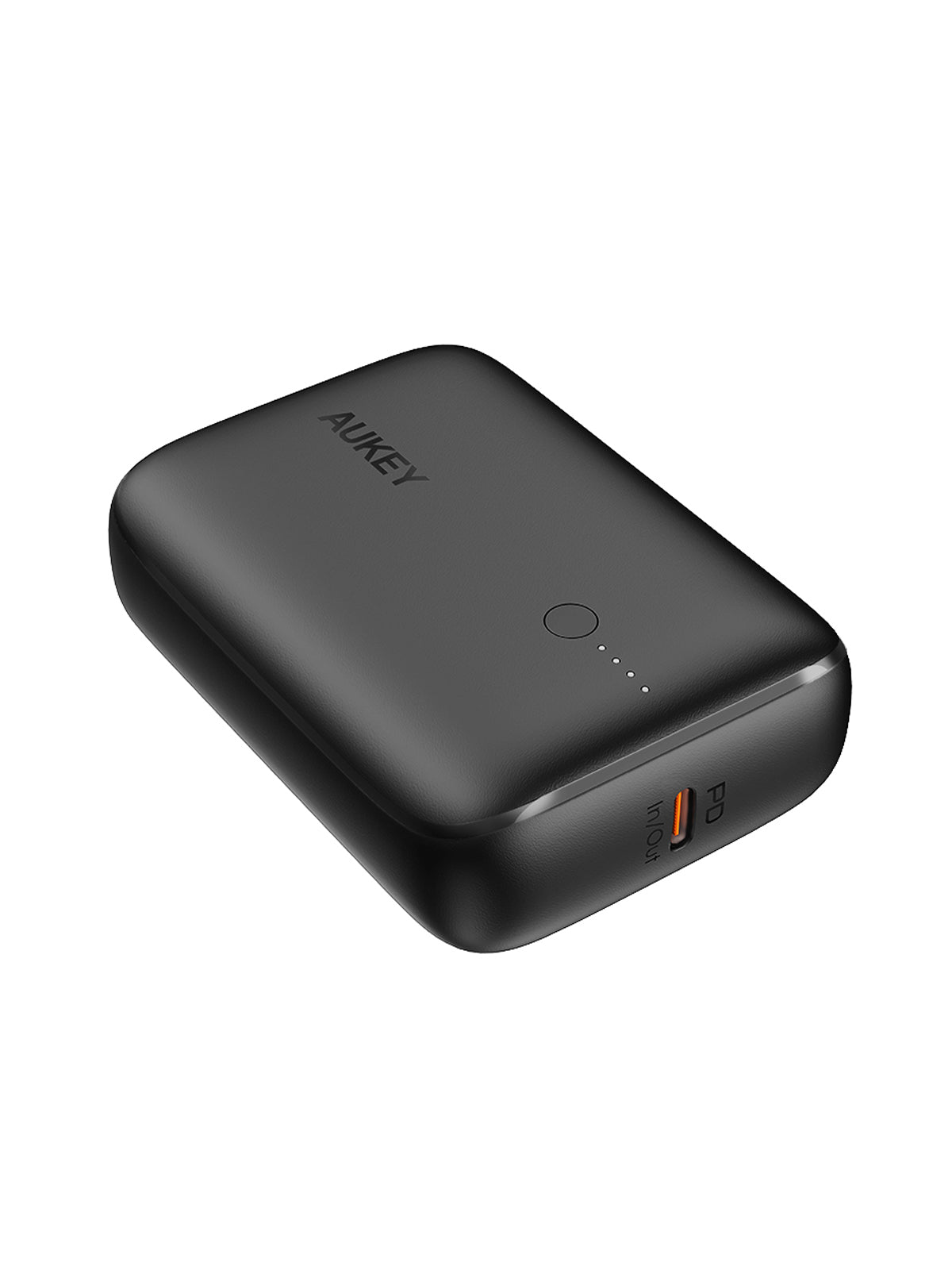
The Basix Mini is Aukey’s smallest power bank in the 10,000mAh class. It is noticeably shorter and narrower than most competing banks in the same capacity range, which is the whole point of the “mini” naming. The trade-off for that small size is that it only has one USB-C port, which handles both charging your phone and recharging the bank itself.
Here is the core spec sheet in plain terms:
- Capacity: 10,000mAh, enough for roughly two full charges on most phones
- Output: up to 20W over USB-C with Power Delivery support
- Input: also USB-C, so one cable does double duty for charging the phone and the bank
- Pass-through charging: you can charge the bank and a device from it at the same time
- Size: small enough to sit next to a wallet in a jacket pocket without printing a bulge
There is no wireless charging pad on this particular model, which is expected given the size and price point. If you want wireless charging in a similarly compact shape, Aukey sells a separate Basix Pro line for that.
How Fast It Actually Charges
On paper, 20W does not sound impressive next to the 65W and 100W bricks that show up in charger reviews these days. But a power bank has different priorities than a wall charger. You are optimizing for a fast top-up during the day, not a full charge from zero, and 20W over PD is enough to take most phones from around 20 percent to over 50 percent in about half an hour.
I tested this against a stopwatch a few times during the review period, mostly during commutes when I only had ten or fifteen minutes to spare. In that window, the Basix Mini reliably added somewhere between 15 and 25 percent battery, depending on how warm the phone already was and whether the screen was on. That is a realistic number for daily use, not a marketing number from a lab test.
Build Quality And Everyday Handling
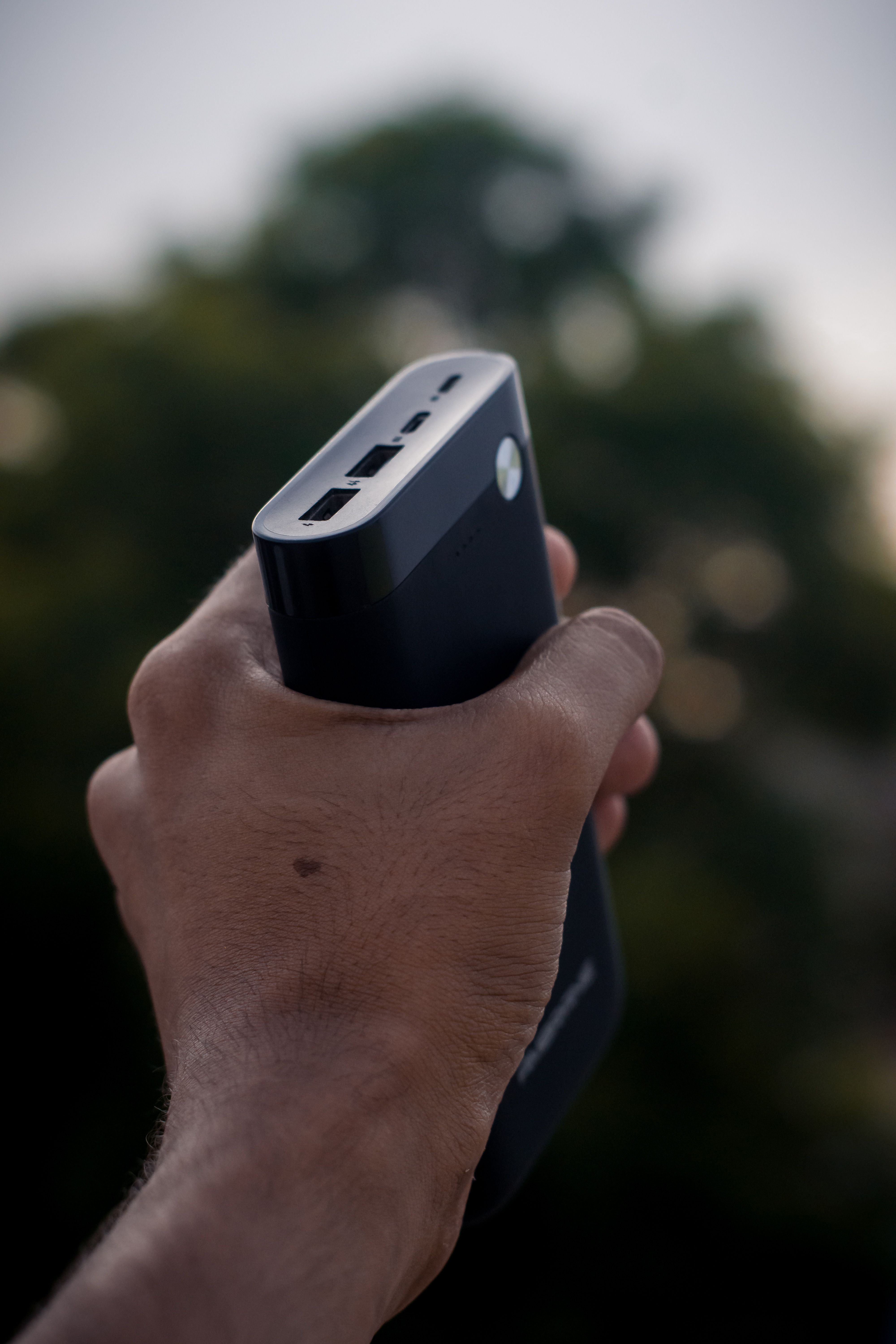
The shell is a matte plastic that resists fingerprints better than the glossy finish some cheaper banks use. The single button on top doubles as a battery indicator with four small LEDs, so you can check remaining charge without opening an app or plugging anything in.
A few things stood out during regular use:
- The rounded edges make it comfortable to grip one-handed while charging a phone in the other hand
- The USB-C port has a slightly recessed housing, which protects it from lint and pocket debris better than a flush port would
- Heat management is reasonable. It gets warm during a full charge cycle but never uncomfortably hot to hold
- There is no carrying pouch included, which is a minor miss for a bank this size, since it would fit easily in one
Built-in protections cover overcurrent, overheating, and overcharging, which is standard for Aukey’s line and worth confirming before buying any budget power bank, since not every brand includes all three.
Who This Power Bank Actually Fits
This is not the power bank for someone who needs to keep a laptop alive during a long flight, and it is not meant to be. It is built for the person who just needs their phone to survive a day of errands, a concert, or a long shift without carrying a full-size battery brick. If your main complaint about power banks is that they are too heavy to bother carrying, this is the category to look at.
Getting The Most Out Of It
A few practical habits made a real difference in how useful mine has been:
- Charge it fully before a trip using a wall charger that supports at least 18W, otherwise the bank itself takes longer to top up than it should
- Use a short, good-quality USB-C to USB-C cable rather than whatever cable was lying around, since a worn cable can bottleneck the 20W output
- Check the LED indicator before you leave the house. It only takes a few seconds and avoids the situation where you assume it is charged and it is not
- If you are using pass-through charging overnight, keep it on a hard surface rather than under a pillow or blanket for basic heat safety
For anyone who wants the full technical rundown straight from the source, Aukey’s own product page for the PB-N83S lists the certified specifications and safety details, and the USB-IF’s explainer on USB Power Delivery is a useful reference if you want to understand why PD charging is faster and safer than older fast-charging standards.
Troubleshooting Common Basix Mini Problems
The power bank won’t charge my phone
Start with the cable, not the bank. A worn or cheap USB-C cable is the most common cause of a power bank that seems dead but isn’t. Swap in a known-good cable, and confirm the bank itself has charge by checking the LED indicator before assuming there’s a hardware fault.
Charging is much slower than the rated 20W
Check that the device you’re charging actually supports Power Delivery at that wattage, since older phones or ones using Quick Charge instead of PD will negotiate a slower speed automatically. Also make sure you’re not simultaneously pass-through charging the bank itself, which shares the available output.
The bank feels unusually hot during use
Mild warmth during a full charge cycle is normal, but if it becomes uncomfortably hot to hold, stop using it, let it cool on a hard surface, and avoid charging it under blankets or pillows going forward. Persistent overheating on a bank with proper protections is unusual and worth contacting Aukey support about if it continues.
The LED indicator isn’t lighting up at all
Press and hold the button rather than tapping it, since a light tap sometimes isn’t registered. If nothing happens after a firm press, the bank may be fully depleted; give it 15-20 minutes on a wall charger before testing the indicator again.
The bank stopped holding a charge as long as it used to
Like any lithium battery, capacity degrades gradually with repeated charge cycles over time. If runtime has dropped noticeably compared to when it was new, that’s normal wear rather than a defect, though a sudden, dramatic drop is worth flagging to support as a possible battery fault.
Frequently Asked Questions
Does the Basix Mini support wireless charging?
No. This specific model, the PB-N83S, charges only through its USB-C port. Aukey’s Basix Pro series adds a wireless charging pad on top if that is what you are looking for, though it comes in a slightly larger shape.
Can it charge a phone and itself at the same time?
Yes, through pass-through charging on the single USB-C port. Keep in mind that charging speed to your device may drop slightly while the bank itself is also drawing power.
Is 10,000mAh enough for a full day out?
For most phones, yes, if you are getting one to two full charges out of it. Heavy GPS or camera use will pull that number down, so pack a backup cable if you plan on very heavy use.
How long does the power bank itself take to recharge?
With an 18W or higher wall charger, expect roughly two hours for a full recharge. A slower charger or a basic USB-A adapter will take noticeably longer.
Conclusion
The Aukey Basix Mini 20W is not trying to be the most powerful power bank on the market, and that is exactly why it works. It solves the specific problem of wanting a fast, reliable top-up without the bulk of a full-size battery pack. If your power bank usually stays home because it is too heavy to bother with, this is the kind of device that actually gets carried, which in the end matters more than any spec sheet.