Truthear built a reputation quickly in the budget IEM space, and the Hexa is one of the models most often mentioned in the same sentence as the Moondrop Aria 2. Both sit around a similar price, both have loyal followings, and both get recommended constantly to newcomers. But they take genuinely different approaches: the Aria 2 relies on a single dynamic driver, while the Hexa pairs a dynamic driver with three balanced armature drivers in a hybrid configuration. That difference in engineering shows up clearly once you listen to both back to back.
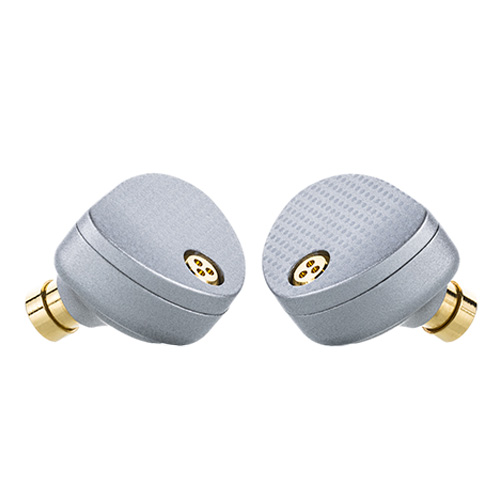
Spec Comparison
| Spec | Moondrop Aria 2 | Truthear Hexa |
|---|---|---|
| Driver configuration | Single 10mm dynamic driver | 1 dynamic driver + 3 balanced armatures (hybrid) |
| Impedance | 33 ohms ±15% | 20.5 ohms ±15% |
| Sensitivity | 122dB/Vrms | 120dB/Vrms |
| Shell material | Resin composite | Medical-grade resin with aluminum alloy faceplate |
| Cable | Copper/silver-plated Litz, 0.78mm 2-pin | Silver-plated copper, 0.78mm 2-pin |
How the Hybrid Design Changes the Sound
The Hexa’s dynamic driver uses a polyurethane suspension with an LCP liquid crystal dome, a concept it shares with Truthear’s own Zero model, and it is tasked purely with low-frequency reproduction. The three balanced armatures then split the midrange and treble duties. This kind of division of labor typically produces more precise separation between instruments, since each driver only has to do one job well instead of covering the entire frequency range like the Aria 2’s single dynamic driver does.
In practice, I found the Hexa noticeably more analytical sounding — it lays out layered tracks with more obvious separation, and the treble has a crisper, more etched quality. The Aria 2, by comparison, blends everything together more smoothly. Neither approach is wrong, but they create different listening experiences.
- If you listen critically and want to hear individual instruments clearly separated, the Hexa’s hybrid design has the advantage
- If you want a more relaxed, cohesive presentation for long listening sessions, the Aria 2’s single driver approach tends to be less fatiguing
- If your music is bass-heavy and you want that from a dedicated, purpose-built driver, the Hexa’s isolated dynamic driver handles bass with good control

Comfort and Build
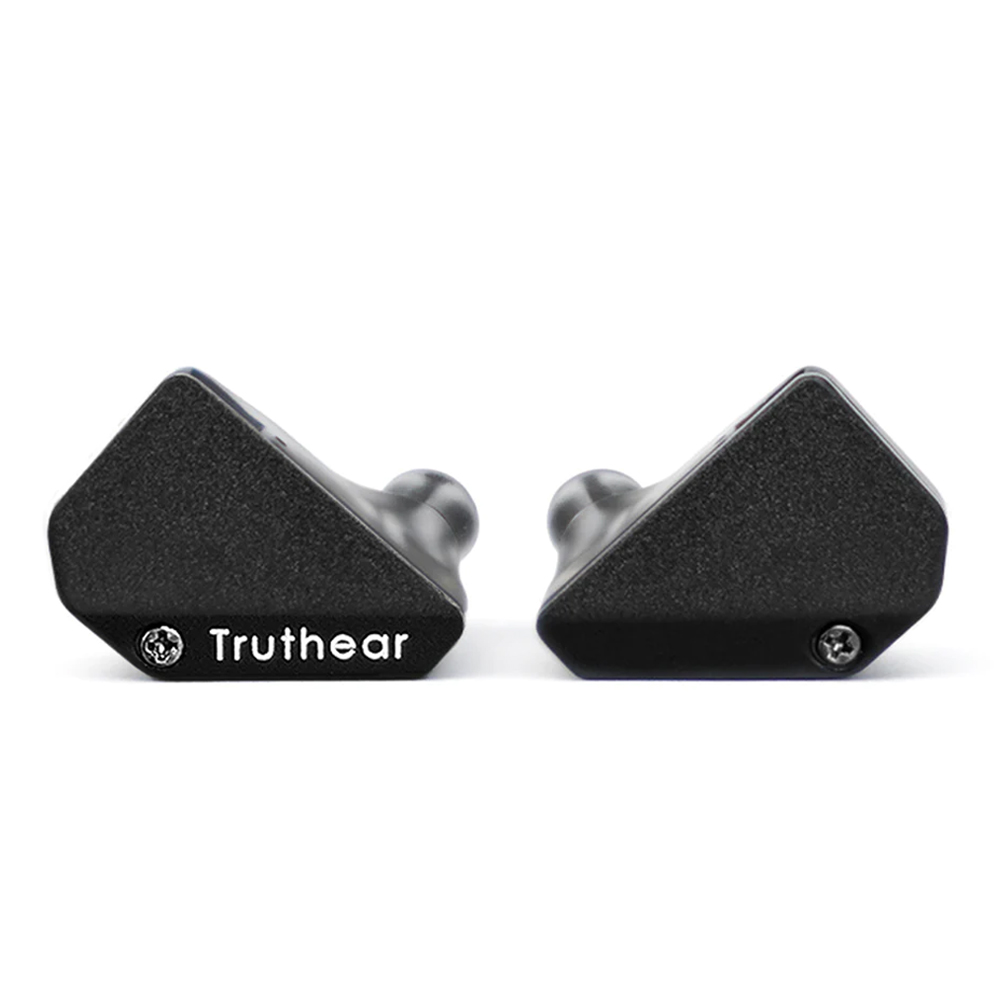
The Hexa’s aluminum alloy faceplate paired with medical-grade resin gives it a slightly more premium in-hand feel than the Aria 2’s resin shell, though both are genuinely comfortable for extended listening once properly fitted. Both use standard 0.78mm 2-pin cables, so aftermarket cable upgrades are straightforward on either model down the line.
A Note on Cable Upgrades
Because both models use the standard detachable 0.78mm 2-pin connector, an aftermarket cable is a realistic way to fine-tune either earphone further down the line without buying a whole new pair. In my experience, the Hexa benefits slightly more from a cable swap aimed at taming treble energy if you find it a touch bright with certain source gear, while the Aria 2 is already balanced enough that a cable upgrade mostly just changes ergonomics and microphonics rather than tonal character. This is a worthwhile detail to keep in mind if you are the type of hobbyist who likes to tinker with your setup over time rather than treating it as a one-time purchase.
Which Should You Buy?
My honest recommendation depends on what kind of listener you are. If you are coming from cheap earbuds and want an easy, non-fatiguing upgrade that just sounds pleasant, start with the Aria 2. If you have some listening experience already and want to hear more technical detail and separation, especially on complex or layered tracks, the Hexa’s hybrid design is worth the modest premium it typically carries. You can review Truthear’s own specifications on the official Hexa product page.
What Switching Between Them Taught Me
The first time I moved from the Aria 2 to the Hexa mid-album, my instinct was to reach for the volume knob, even though the levels were matched. The Hexa’s more forward treble and crisper separation simply reads as “louder” even when it is not, which is a common trait of hybrid designs with dedicated treble armatures. After a few days of alternating, my ears adjusted and I stopped noticing that effect, but it is worth knowing about if you are switching between the two for the first time and wonder why one initially feels more intense than the other.
By the end of my testing period, I found myself grabbing the Hexa for critical listening sessions where I wanted to catch every layer in a mix, and the Aria 2 for casual background listening while working. Both earned a permanent spot in my rotation rather than one replacing the other.
Frequently Asked Questions
Is the Truthear Hexa more fatiguing to listen to than the Aria 2?
Some listeners find the Hexa’s more analytical treble slightly more fatiguing during very long sessions, though this varies significantly by individual hearing sensitivity and eartip choice.
Does the Hexa need more power to drive properly?
No, its lower impedance and similar sensitivity mean it is just as easy to drive from a basic phone dongle DAC as the Aria 2.
Which one is better for gaming or competitive listening?
The Hexa’s more precise instrument separation can help with positional audio cues in games, giving it a slight practical edge for that specific use case.
Can I use the same eartips on both?
Since both use standard nozzle sizes typical of 0.78mm 2-pin IEMs, most aftermarket eartip sets will fit either model, though stock tips differ slightly in bore width.
Which one has a more premium unboxing experience?
The Hexa’s packaging and included accessories feel a step above budget-tier norms, though the Aria 2’s presentation is still solid and includes a usable carrying case and cleaning tool.
Conclusion
The Moondrop Aria 2 and Truthear Hexa both punch well above their price, but they reward different listening habits. The Aria 2 is the smoother, more forgiving choice for relaxed, long-session listening. The Hexa’s hybrid driver setup delivers more technical detail and separation for listeners who want to hear more of what is happening inside a track. Either is a safe recommendation at this price point — the right pick really comes down to your own listening style.
About the author: a PC and audio gear enthusiast who has spent years comparing budget IEMs side by side against pricier reference gear.