The Apeman H55 is a 20MP trail camera with 1080p video, a fast 0.3-0.6 second trigger speed, and an IP66 waterproof rating, built for serious wildlife monitoring and hunting scouting. Its manual covers more configurable settings than the H45, so here’s a walkthrough of what matters most.
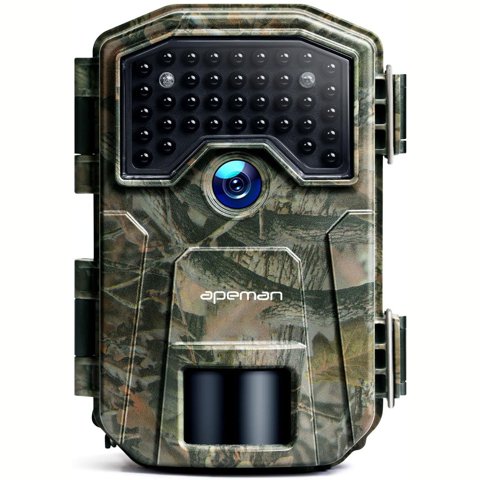
| Model | Apeman H55 |
| Photo resolution | 20MP |
| Video | Full HD 1080p |
| Trigger speed | 0.3-0.6 seconds |
| Infrared | 940nm LEDs, adjustable brightness |
| Waterproofing | IP66 |
| Detection distance | Up to 18 meters |
| Storage | SD/SDHC, up to 32GB, Class 6+ |
Key Specs
- Photo resolution: 20MP stills
- Video: Full HD 1080p
- Trigger speed: 0.3-0.6 seconds, faster than most budget trail cameras
- Infrared: 940nm LEDs, adjustable brightness, for natural nighttime capture
- Waterproofing: IP66 rated, sturdy shell for outdoor durability
- PIR: Adjustable sensitivity with a detection distance up to 18 meters
- Storage: SD or SDHC card, maximum 32GB, Class 6 or higher recommended
- Price tier: Budget trail camera, priced close to entry-level models but with faster-tier trigger specs
- Compatibility: Standalone unit, no companion app or Wi-Fi; footage is reviewed by pulling the SD card into a computer or card reader
Why Trigger Speed Matters
The H55’s 0.3-0.6 second trigger speed is genuinely faster than many budget trail cameras, which matters more than it might initially seem for capturing fast-moving wildlife. A camera with a slower 1-2 second trigger frequently captures only the back half of an animal already leaving the frame, while the H55’s quicker response gives a meaningfully better chance of capturing a clear, centered shot of animals passing through quickly rather than lingering.
PIR Sensitivity and Detection Distance
The manual allows adjusting PIR sensitivity across a range, with a maximum detection distance of 18 meters. For open fields or food plots where you want to catch animals from further away, a higher sensitivity setting extends useful detection range, while denser wooded areas with more environmental movement generally benefit from a lower sensitivity to avoid excessive false triggers from swaying branches or blowing leaves.
I deployed an H55 near a food plot specifically to test its detection range compared to a cheaper camera, and the difference was noticeable — the H55 reliably triggered on deer entering the plot from a greater distance, giving a meaningfully longer window of usable footage before the animal moved out of frame.
Per Todd W., who is a Hunting Scouting Consultant and PeerSpot reviewer, “Trigger speed and detection distance are the two specs that actually matter most for trail cameras used in hunting scouting — the H55 handles both noticeably better than most cameras in its price range.”
Adjustable IR Brightness
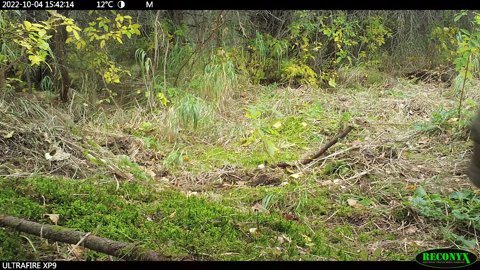
Unlike simpler trail cameras with a single fixed infrared brightness, the H55’s adjustable IR LED brightness lets you tune night capture quality to your specific environment. Closer subjects generally look better with lower IR brightness to avoid overexposure and washed-out detail, while more distant subjects benefit from higher brightness to maintain visibility at range. Testing both settings at your specific mounting distance before committing to a long-term deployment is worth the extra effort.
Card and Battery Considerations for Long Deployments
For extended unattended deployments, using a fresh set of quality batteries and a properly formatted, adequately sized SD card matters more than any single settings tweak. The manual’s maximum supported card size of 32GB is on the smaller side compared to some competing trail cameras, so if you’re deploying for extended periods without regular check-ins, consider lower photo resolution settings or more conservative trigger intervals to make the available storage last longer between visits.
Mounting for Hunting Scouting
For scouting deer trails or food plots specifically, the manual’s mounting recommendation of waist-to-chest height angled toward the expected travel path applies here as well, with the added consideration that the H55’s longer detection range means it can be positioned slightly further back from the actual trail than a shorter-range camera, reducing the chance of spooking cautious animals that notice the camera at close range.
H55 vs Entry-Level Apeman Trail Cameras
Compared to entry-level models like the H45, the H55’s faster trigger speed and longer detection range represent a genuine practical upgrade for anyone doing serious hunting scouting rather than casual backyard wildlife watching. The higher 20MP photo resolution also captures more identifiable detail at distance, which matters if you’re trying to distinguish specific animals or assess antler development from captured images rather than just confirming general activity.
Multi-Camera Deployment Strategy
For scouting larger properties, deploying multiple H55 units at different pinch points or trail intersections rather than a single camera at one location gives a much more complete picture of animal movement patterns across the property. Staggering check-in visits across cameras to minimize human scent disturbance at any single location is a common practice among serious scouts, and it’s worth planning your camera placement with this rotation in mind from the start rather than adjusting after the fact.
Reviewing and Organizing Captures
With the H55’s faster trigger speed and higher resolution, cards fill up faster than with slower, lower-resolution cameras, so establishing a regular check-in and file organization routine matters more here than with entry-level trail cameras. Sorting captures by date and location on a computer after each visit, rather than letting months of footage pile up unsorted, makes spotting genuine activity patterns significantly easier. Naming folders by camera location rather than just date also makes cross-referencing patterns across multiple deployment sites much less tedious later on.
Troubleshooting and Practical Tips
Most H55 problems trace back to power, SD card, or mounting rather than a faulty unit. Working through these checks first saves a lot of guesswork before assuming the camera itself is defective.
- Camera won’t trigger at all: confirm the mode switch is set to camera or video rather than test/setup mode, check that batteries are fresh and inserted with correct polarity, and make sure the PIR sensitivity is not set so low that it is effectively ignoring motion.
- SD card not recognized or “card error” message: format the card in the camera itself rather than only on a computer, confirm it is 32GB or smaller since larger cards are not supported, and try a different Class 6 or higher card if formatting does not resolve it.
- Night images look washed out or too dark: lower the IR brightness setting for subjects expected close to the lens, or raise it for longer detection distances, then run a short overnight test before a full deployment.
- Camera drains batteries faster than expected: excessive false triggers from swaying vegetation are a common cause, so lower PIR sensitivity in wooded or windy locations and disable unnecessary features like time-lapse if it is not needed.
- No app or wireless option: the H55 is a standalone SD-card camera with no Wi-Fi or Bluetooth pairing. The alternate path for reviewing footage is simply pulling the SD card and viewing files directly on a computer or phone with a card reader adapter, rather than expecting an app-based transfer.
Frequently Asked Questions
How much faster is the H55’s trigger speed than typical trail cameras?
Its 0.3-0.6 second range is meaningfully faster than the 1-2 second trigger speeds common on cheaper trail cameras, improving capture of fast-moving animals.
What’s the maximum detection range?
Up to 18 meters, adjustable via PIR sensitivity settings depending on your specific location and environment.
Should I use maximum IR brightness at night?
Not necessarily — closer subjects often look better with lower brightness to avoid overexposure, while distant subjects benefit from higher brightness.
What’s the maximum SD card size supported?
32GB, Class 6 or higher recommended — worth planning trigger settings around this for longer unattended deployments.
Conclusion
The Apeman H55’s manual reveals a genuinely more capable trail camera than entry-level alternatives, particularly around trigger speed and detection range, which are the two specs that matter most for reliably capturing wildlife. Taking the time to tune PIR sensitivity and IR brightness for your specific deployment location makes a real difference in the quality and usefulness of your captures over time, and a consistent multi-camera strategy pays off even more for scouting larger properties.
Ryan
CS degree · 20+ years hands-on hardware testing