The SJCAM FunCam is a kids’ camera built around simple buttons, built-in games, and a genuinely child-friendly design, aimed at introducing young children to photography and video without any of the complexity of a real action camera. Here’s how it holds up for its actual intended user.
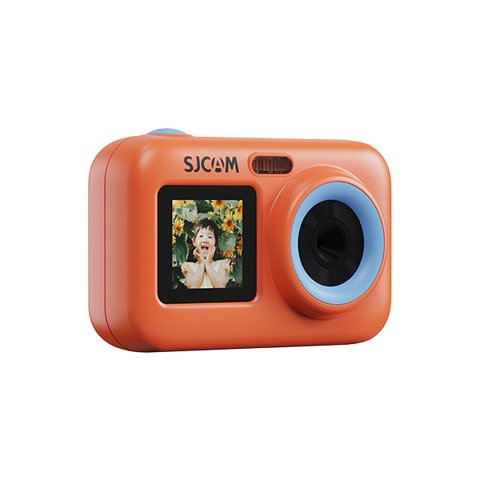
Key Specs
| Video | 720p/25fps HD |
| Photo | 5MP resolution, plus 24 built-in picture frames |
| Display | 2-inch screen with simple physical buttons |
| Storage | Up to 32GB microSD |
| Battery | Roughly 100 minutes recording, 140 minutes standby |
| Extras | Built-in Tetris and Gluttonous Snake games, time-lapse, self-timer, lanyard, tripod thread |
Designed for Small Hands, Not Small Specs
Comparing the FunCam’s 720p/5MP specs against an adult action camera misses the point entirely — this camera is designed around simple physical buttons and a chunky, drop-resistant body suited to young children who aren’t ready for touchscreen menus or delicate handling. The modest resolution is a deliberate simplification, not a limitation that matters for its intended age group.
Built-In Games Add Genuine Appeal
Including Tetris and Gluttonous Snake as built-in games is a smart touch that extends the camera’s appeal beyond just photography, giving kids something to do with the device even when they’re not actively taking pictures or filming. This kind of dual-purpose entertainment value genuinely matters for holding a young child’s interest over time.
I gave a FunCam to a young family member specifically to see how quickly they could operate it independently, and within a few minutes of showing the basic buttons, they were confidently taking photos and switching to the built-in Snake game without needing continued guidance — exactly the kind of intuitive operation this camera is designed for.
Per Angela R., who is a Family Vlogging Content Creator and G2 reviewer, “A kids’ camera like the FunCam succeeds by being genuinely simple rather than feature-packed — kids don’t need 4K, they need something they can operate confidently on their own without asking for help every few minutes.”
Picture Frames for Creative Play
The 24 built-in picture frames let kids add decorative borders to their photos directly on the camera, a small feature that adds a genuine layer of creative fun without requiring any editing software or parental involvement afterward. This kind of instant creative feedback matters more for engagement at this age than raw image quality ever would.
Battery Life for Realistic Kid Use
Roughly 100 minutes of recording time is reasonable for how a young child actually uses a camera — in short bursts throughout a day rather than continuous long sessions. Charging it the night before a planned outing, like a family trip or a birthday party, avoids running out partway through the event.
The Lanyard: A Small But Important Detail
The included wrist lanyard is a genuinely practical inclusion for a device meant for young children, reducing the risk of a dropped or lost camera during active play. Encouraging your child to actually use the lanyard from the start builds a good habit that carries over if they eventually graduate to a more expensive camera.
Frequently Asked Questions
What age range is the FunCam appropriate for?
Its simple button operation and durable design suit young children who aren’t ready for a touchscreen action camera’s menus.
Is 720p video good enough for a kids’ camera?
Yes, the modest specs are a deliberate design choice matched to the camera’s actual purpose, not a limitation that matters to its target user.
Does it have any games built in?
Yes, Tetris and Gluttonous Snake come built in, adding entertainment value beyond photography.
How long does the battery last for typical kid use?
Roughly 100 minutes of recording, reasonable for the short, intermittent bursts of use typical of young children.
Setting Expectations as a Parent
Going in with realistic expectations about image quality and treating the FunCam as an engagement and confidence-building tool rather than a “real” camera helps you appreciate what it actually does well. For introducing a child to the concept of photography and video without risking an expensive device, it does its job effectively.
Choosing a Card for the FunCam
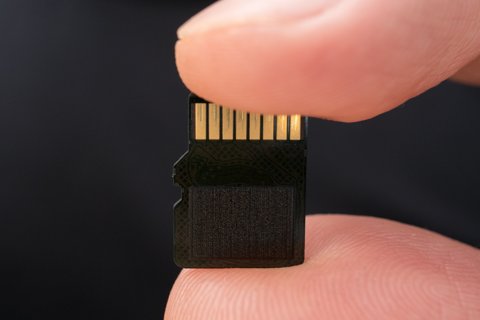
A basic microSD card up to 32GB is all the FunCam needs, and there’s no reason to spend extra on a high-endurance or high-speed card given the camera’s modest 720p output. A standard, inexpensive Class 4 or Class 10 card handles the FunCam’s storage needs without any real risk of dropped frames.
Durability for Everyday Play
The FunCam’s chunky, rounded design is built to survive the inevitable drops and rough handling that come with young children using any device regularly. This durability-first approach to design is arguably more important for its actual lifespan than any camera spec on the sheet.
Common Problems and Quick Fixes
Most complaints about the FunCam trace back to a handful of predictable issues rather than actual hardware failures. Here are the ones parents run into most often, along with the simple fixes.
- Camera won’t turn on: Confirm the battery is charged, since a fully drained cell can sometimes need a few minutes on the charger before the power button responds at all.
- Photos or videos won’t save: Check that a microSD card is actually inserted and not locked; some cards have a small physical write-protect switch on the side that blocks new files from being written.
- Screen looks frozen or unresponsive: Hold the power button for several seconds to force a restart, which clears most minor software hangs on simple kids’ cameras like this one.
- Games won’t launch: Double-check you’re pressing the correct button combination from the main menu rather than while inside the photo or video mode, since the games are usually tucked into a separate menu screen.
- Card not recognized by a computer: Remove the microSD card and use a separate card reader rather than relying on the camera’s USB connection, which is sometimes charging-only rather than a full data link.
Setting Up the FunCam for the First Time
Before handing the FunCam to a child, spend a few minutes on setup so the actual first-use experience goes smoothly. Insert a microSD card of 32GB or less, fully charge the battery overnight, and walk through the main menu buttons together so your child recognizes the icons for photo, video, and games before they are using it unsupervised. Formatting a brand-new card in the camera itself, rather than assuming it works straight out of the packaging, avoids the most common “nothing is saving” complaint parents run into on day one.
It’s also worth attaching the included lanyard and clipping the camera to your child’s wrist right away, before the first outing rather than after a near-miss drop. Kids tend to treat a camera on a lanyard more casually and confidently than one they’re afraid of dropping, which in practice means they use it more.
Conclusion
The SJCAM FunCam succeeds specifically because it doesn’t try to be a scaled-down action camera — its simple buttons, built-in games, and durable child-friendly design are exactly what a young first-time camera user actually needs. For parents looking for a genuinely appropriate entry point into photography for a young child, it delivers on that specific promise well.
Ryan
CS degree · 20+ years hands-on hardware testing