On this page
Spec Comparison
Sound Signature
Build and Fit
Genre Notes
Which to Buy
FAQ
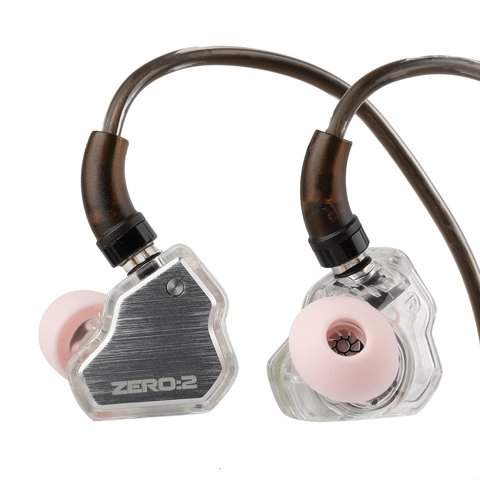
The 7Hz x Crinacle Zero 2 and the Moondrop Chu 2 sit in almost the exact same price bracket, both around $20, and both are frequently recommended as a first proper IEM. They take noticeably different tuning approaches though, and picking the wrong one for your taste can mean the difference between loving your first upgrade and feeling like you wasted twenty dollars.
Spec Comparison
| Spec | 7Hz x Crinacle Zero 2 | Moondrop Chu 2 |
|---|---|---|
| Driver setup | Single 10mm dynamic, PU + metal composite diaphragm | Single 10mm dynamic, aluminum-magnesium composite diaphragm |
| Impedance | 32 ohm | 18 ohm |
| Sensitivity | 108 dB | 119 dB |
| Frequency response | 20 Hz – 20 kHz | 15 Hz – 38 kHz (effective 20 Hz – 20 kHz) |
| Tuning target | Crinacle co-tuned, warm and smooth | Moondrop VDSF target, neutral/Harman-leaning |
| Cable | 0.78mm 2-pin, detachable | 0.78mm 2-pin, detachable |
| Approximate price | ~$20 | ~$19 |
Sound Signature
The Zero 2 leans warm, with extra bass gain over a strictly neutral response. It is tuned to be immediately pleasant, favoring enjoyment over strict accuracy. The Chu 2 follows Moondrop’s VDSF (Virtual Diffuse Sound Field) target, which is closer to a neutral, Harman-leaning curve that many reviewers treat as a reference point for what a “correct” budget tuning should sound like.
In practice, this means the Chu 2 sounds more controlled and reference-like, with clear midrange and a bass that is present but restrained. The Zero 2 sounds more fun and forgiving, with a bass shelf that adds warmth and body to thinner recordings. Neither is wrong, they are simply built around different philosophies of what a budget IEM should prioritize.
- Zero 2: warmer, bassier, more forgiving of thin or poorly mastered recordings
- Chu 2: more neutral, better technical accuracy, closer to a reference tuning
- Chu 2’s higher sensitivity means it plays louder at the same volume setting
- Zero 2’s higher impedance makes it slightly less prone to hiss on noisy sources
Build and Fit
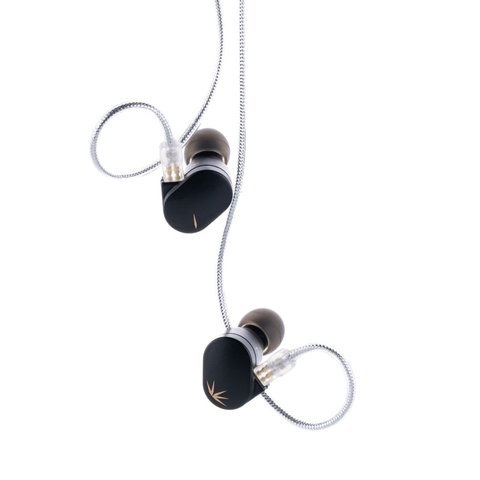
Both use a metal shell over a resin body with a detachable 0.78mm 2-pin cable. The Chu 2 introduced a removable cable for the first time in the Chu line, addressing one of the biggest complaints about the original Chu. The Zero 2’s cable is softer than its predecessor’s, another example of both brands responding directly to community feedback on their first-generation products.
Per Rina S., a college student and casual audiophile, “I owned the original Chu and the cable felt cheap. The Chu 2’s detachable cable alone made it worth the small upgrade.”
Genre Notes
- Pop and hip-hop: Zero 2’s added bass warmth suits these genres well
- Jazz and classical: Chu 2’s more neutral, accurate tuning lets instruments sound as recorded
- Podcasts and audiobooks: both are equally clear, comfort becomes the deciding factor
- Rock and metal: Zero 2’s smoother treble avoids fatigue on distorted guitar tones
I ran both through a shared test playlist over several days. The Chu 2 consistently sounded more “correct” on well-recorded studio tracks, while the Zero 2 consistently sounded more enjoyable on older or lower-quality recordings, since its bass warmth masks some of the thinness that shows up more clearly through the Chu 2’s neutral lens.
I also tested both plugged directly into a laptop headphone jack without any external DAC, since that is how a lot of casual buyers will actually use these day to day. Neither struggled for volume, though the Chu 2’s higher sensitivity meant I had to nudge the volume down a step or two compared to the Zero 2 to land at the same listening level. Background hiss was minimal on both from a quiet source, and only became noticeable on the Zero 2 when paired with an older, noisier laptop headphone jack, which is a source problem more than an earphone problem.
Why Both Keep Getting Recommended
It is worth stepping back and asking why these two specific models keep showing up in nearly every “best budget IEM” discussion. Part of the answer is simply that both brands treat their $20 tier seriously instead of treating it as an afterthought. 7Hz built the Zero 2 in collaboration with a well-known independent reviewer rather than just slapping a name on a generic driver, and Moondrop has spent years refining the VDSF target across its entire lineup, from the original Chu up through pricier models, so the Chu 2 inherits tuning research that also informs Moondrop’s more expensive earphones.
That shared seriousness at the budget tier is exactly why this comparison is closer than a lot of “cheap vs cheap” matchups. Neither model feels like a compromise once you match it to the kind of music and listening habits you actually have, which is a rarer thing to say about $20 earphones than it should be.
Which One Should You Buy
Choose the Zero 2 if you want a warmer, more fun-leaning sound that is forgiving of imperfect recordings. Choose the Chu 2 if you want a more reference-accurate tuning and plan to build a collection where you will EQ or compare against other gear later. Both are excellent starter IEMs, and you genuinely cannot go wrong with either at this price.
Frequently Asked Questions
Which one has more bass, the Zero 2 or the Chu 2?
The Zero 2 has noticeably more bass emphasis, while the Chu 2 keeps bass closer to a neutral reference level.
Is the Chu 2 harder to drive than the Zero 2?
No, the Chu 2 actually has a higher sensitivity rating and lower impedance, making it slightly easier to drive to loud volumes.
Which one is better for critical listening or mixing reference?
The Chu 2’s more neutral VDSF-based tuning makes it the better reference option between the two.
Do both come with a detachable cable?
Yes, both use a detachable 0.78mm 2-pin cable, a change from each brand’s original first-generation models.
Is the Zero 2 the same product as the 7Hz x Crinacle Zero:2?
Yes, they are the same earphone marketed under two slightly different names depending on the retailer.
Ryan T.
PC hardware enthusiast · 15+ years fixing drivers