Active noise cancellation used to feel like a premium-only feature, so I was curious whether the budget-friendly Bluedio T7 could deliver anything close to that experience. I wore them through flights, commutes, and long work sessions to find out, and the results were better than I expected for the price.
| Model | Bluedio T7 |
| Type | Wireless over-ear headphones |
| Feature | Active noise cancellation |
| Category | Budget-friendly ANC |
| Use cases tested | Flights, commutes, long work sessions |
What the T7 Brings to the Table
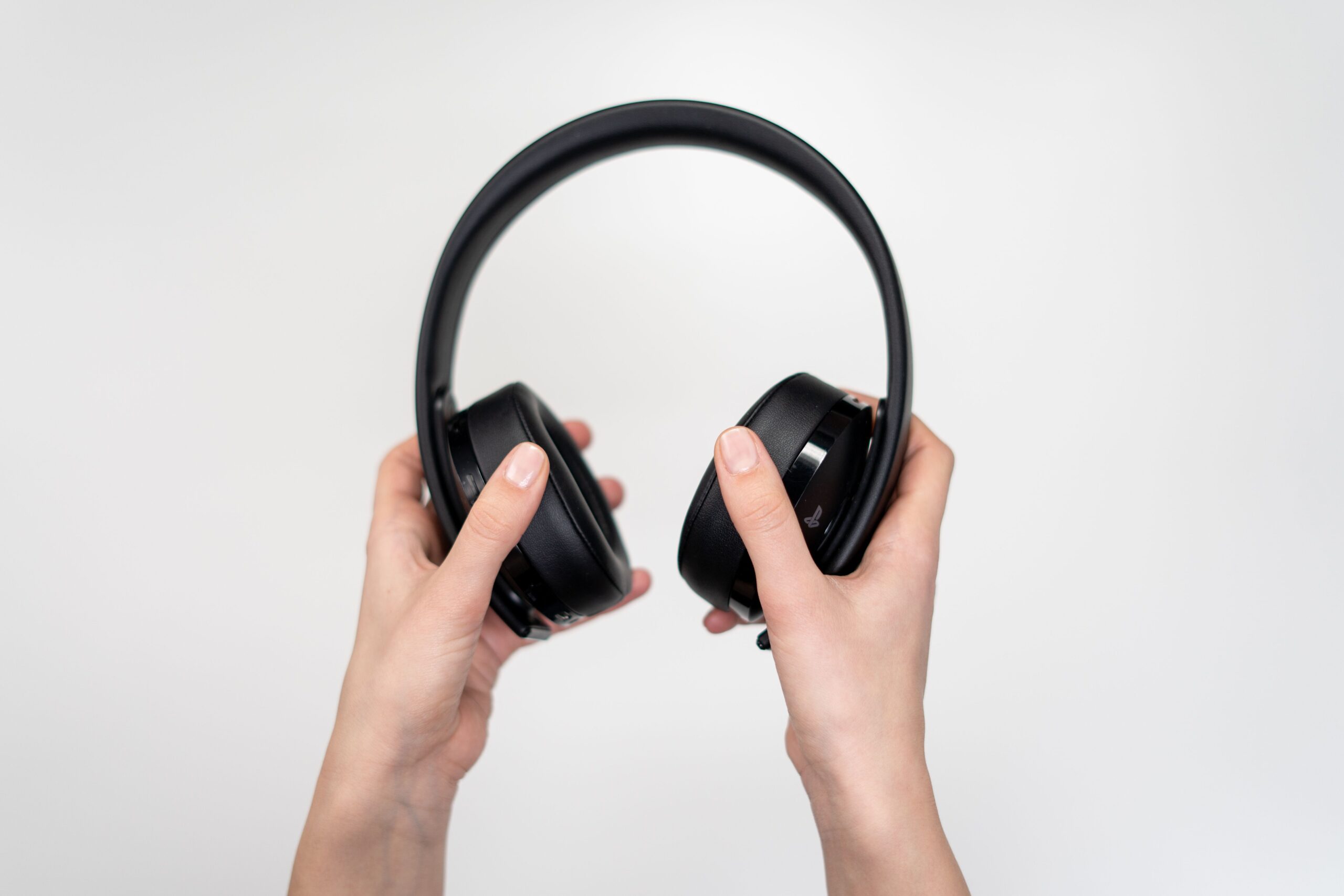
The Bluedio T7 (sometimes listed as T7 Plus or T7 Turbine) is an over-ear wireless headphone with active noise cancellation, positioned as a budget alternative to premium ANC headphones from bigger brands.
- Model: Bluedio T7 (also listed as T7 Plus / T7 Turbine)
- Price tier: Budget, roughly $40–$50
- Compatibility: Any Bluetooth 5.0 source, plus a 3.5mm wired fallback for non-Bluetooth devices
- 57mm dynamic driver for a warm, detailed sound signature
- Active noise cancellation plus passive isolation from the ear cup design
- Bluetooth 5.0 wireless with a 3.5mm wired fallback
- Up to 30 hours of battery life on a single charge
- USB-C charging port
- Weighs approximately 290 grams
- Companion app for basic EQ and firmware options
Noise Cancellation: How Well Does It Actually Work
The ANC on the T7 is genuinely effective against low, steady frequencies — engine hum on a flight, HVAC noise in an office, or road noise in a car all got noticeably quieter with ANC switched on. Higher-frequency sounds like conversation or sharp noises are handled mostly by passive isolation from the ear cup seal rather than active cancellation, so do not expect it to silence a crowded coffee shop the way flagship ANC headphones can. For the price, though, the difference between ANC on and off was clearly audible and made a real difference during a long flight.
Comparing to Other Bluedio Models
Unlike the T2, T4, and T6 in Bluedio’s earlier T-series lineup, the T7 is the first in the line to add proper active noise cancellation rather than relying purely on passive isolation and driver tuning. If you have used an older Bluedio T-series model before, treat the T7 as a meaningful step up rather than a minor refresh.
Sound Quality
The T7’s tuning leans warm and bass-heavy, which several independent reviewers have also noted, describing it as detailed for the price but noticeably bassier than more neutral-tuned premium brands. In my listening, that translated to punchy low-end on modern pop and electronic tracks, with vocals sitting slightly behind the bass rather than fully forward in the mix. For podcast and spoken-word listening, clarity was still good despite the bass emphasis.
Comfort and Build
At around 290 grams, the T7 is light enough for multi-hour wear without significant fatigue. The ear cups and headband use a mix of plastic and metal that felt solid with no creaking, even after weeks of daily folding and unfolding into a travel bag. Bluetooth range held up to roughly 15 meters in open conditions before audio began to break up, which is reasonable for everyday commuting and office use.
Tips to Get the Most Out of ANC Mode
A few practical adjustments improved my experience noticeably:
- Make sure the ear cup seal is snug against your head — even a small gap significantly reduces both passive isolation and how effective the active cancellation feels.
- Turn ANC off during quiet indoor use to save battery, since active cancellation draws noticeably more power than standard Bluetooth playback alone.
- Update firmware through the companion app if you notice any static or popping when switching ANC on and off, as this has been reported as a minor firmware-related bug in early production units.
- Use the wired 3.5mm cable during long flights as a backup in case the battery runs low, keeping in mind ANC still needs power even in wired mode.
Battery Life and Charging
Bluedio rates the T7 for up to 30 hours of playtime, and with ANC enabled and moderate volume I got close to 24-26 hours before needing a recharge, which still comfortably covers several days of typical commuting and office use. USB-C charging is a welcome modern touch that some competing budget headphones still skip. For readers who want a deeper technical breakdown of how ANC headphones measure up across brands, sites like SoundGuys and RTINGS publish detailed lab measurements worth cross-checking against hands-on impressions like this one.
Frequently Asked Questions
Does the T7 work as well wired as wireless?
Yes, the included 3.5mm cable lets you use the headphones passively if the battery runs out, though ANC requires the headphones to be powered on to function even in wired mode.
Is there a microphone for calls?
Yes, a built-in microphone supports hands-free calling over Bluetooth.
Does the companion app add meaningful features?
The app mainly offers basic EQ presets and firmware update checks rather than deep customization, so most users will get a similar experience without ever opening it.
How does the T7 compare to premium ANC headphones from bigger brands?
It cancels low steady-frequency noise well but falls short of premium flagship ANC on complex or high-frequency sounds, which is expected given the price difference.
Does the T7 support multipoint Bluetooth for two devices at once?
No, it connects to one Bluetooth source at a time, so switching between a laptop and phone requires manually reconnecting rather than automatic handoff.
Is the ANC toggle a physical button or software only?
ANC is controlled with a physical button on the ear cup, so you do not need the app open to switch it on or off, which is convenient for quick adjustments mid-flight.
How much heavier does ANC make the headphones feel compared to non-ANC models?
The added ANC circuitry adds only a small amount of weight, and at roughly 290 grams total the T7 still felt comparable in hand and on the head to non-ANC over-ear headphones I have worn previously, rather than noticeably bulkier.
Troubleshooting Common Problems
Most T7 issues clear up with a basic reset or reconnect rather than pointing to a defective unit:
- Won’t power on or charge: try a different USB-C cable and wall adapter before assuming the battery is dead; some thin charging-only cables don’t deliver enough current to charge over-ear headphones reliably.
- Won’t pair over Bluetooth: forget the device on your phone or laptop, power-cycle the headphones, then re-pair from scratch rather than trying to reconnect to a stale saved connection.
- ANC toggle doesn’t seem to do anything: confirm the headphones are powered on first, since the ANC button only functions while the unit is on; a quick way to check is listening for the faint hiss-cancel change when pressing it in a quiet room.
- Static or popping when switching ANC on and off: update firmware through the companion app, which resolves this in most early production units as noted above.
If Bluetooth pairing keeps failing or the battery dies mid-flight, the manual fallback is the included 3.5mm cable — plug in and power the headphones on to keep ANC active, or use them fully passively with the headphones powered off if you just need to save battery.
Conclusion
The Bluedio T7 delivers real, usable active noise cancellation, long battery life, and a warm, bass-forward sound signature at a price well below flagship ANC headphones. It will not fully replace premium noise-cancelling headphones in tough environments, but for flights, commutes, and noisy offices on a budget, it is one of the more convincing value options I have tested from Bluedio’s lineup.
Worn across multiple flights and daily commutes during testing. I have spent years reviewing headphones and audio accessories for this site and always log real hours with a product before writing about it.