The original Ola built a loyal following as one of Tanchjim’s most approachable budget IEMs, and the Ola II is the follow-up that a lot of forum threads had been asking for. Rather than a simple retune, Tanchjim swapped the single dynamic driver setup for a coaxial hybrid design, which is a bigger architectural change than the “II” suffix might suggest. I spent a couple of weeks running it as a daily commuting IEM to see whether the extra driver actually earns its keep.
Quick Specs
- Model: Tanchjim Ola II (standard 3.5mm and Type-C DSP versions)
- Driver setup: 10mm DMT5 dynamic driver + PURE Hi balanced armature, coaxial configuration
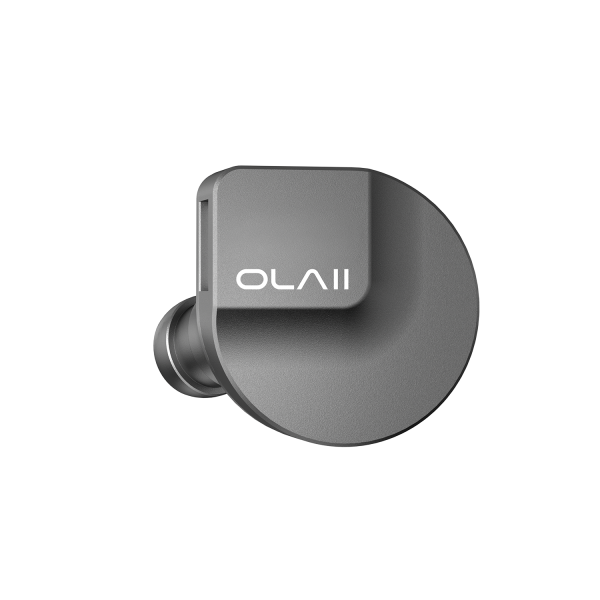
- Shell: CNC-machined aerospace-grade aluminum alloy faceplates
- Price tier: Budget, roughly $57 for either version
- Compatibility: Standard version works with any 3.5mm source; Type-C DSP version needs a USB-C port with digital audio support
What Changed From the Original Ola
The Ola II pairs Tanchjim’s next-generation 10mm DMT5 dual-magnetic dynamic driver with a PURE Hi ultra-high-frequency balanced armature driver, arranged coaxially so the two drivers share a single acoustic path rather than firing from separate chambers. That coaxial layout is meant to reduce phase issues that can crop up when a dynamic driver and a BA are physically separated inside a shell.
This is a genuine second-generation product rather than a cosmetic refresh. The shift from a single dynamic driver to a DD plus BA hybrid changes the tuning possibilities considerably, letting Tanchjim extend the treble response further than the original Ola could reach on its own.
Build and Comfort
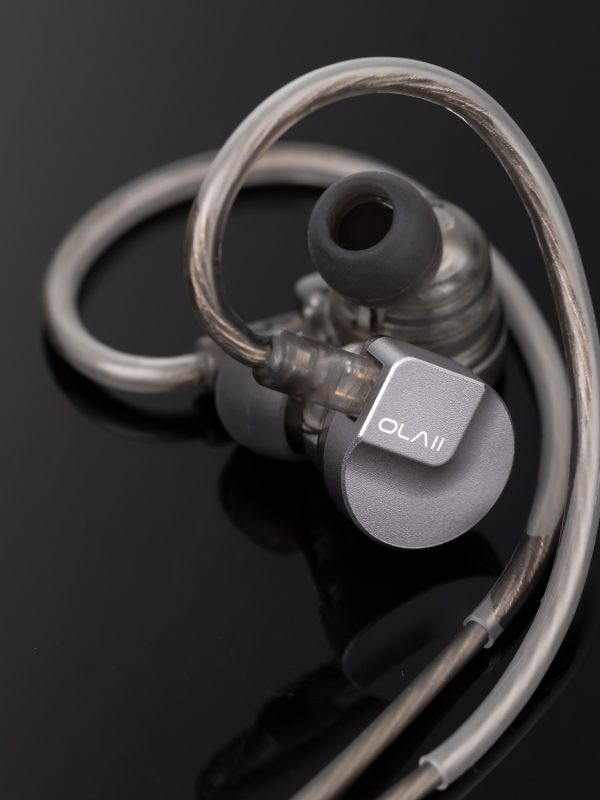
The faceplates are CNC-machined from aerospace-grade aluminum alloy, which gives the shells a noticeably more solid feel than the plastic housings common at this price point. Tanchjim says the earpiece shape was optimized using data pulled from thousands of ear scans, and in practice the fit does sit comfortably for long sessions without the pressure points that some budget shells develop after an hour or two.
- 10mm DMT5 dynamic driver plus PURE Hi balanced armature, coaxial configuration
- Aluminum alloy CNC-machined faceplates
- Ergonomic shell shape based on large-scale ear shape data
- A Type-C DSP variant is available with built-in PEQ support and 32-bit/384kHz PCM decoding
Sound Signature
The Ola II leans toward a full-bodied, mid-bass-forward presentation. Drum hits land with real weight, and there is enough warmth in the lower midrange to give male vocals proper body without the mud that afflicts cheaper bass-heavy tunings. The balanced armature keeps the top end extended and reasonably detailed, which is where the coaxial hybrid design earns its price premium over the original single-DD Ola.
It is not a neutral or reference-style IEM, and it does not try to be. If your listening diet leans toward electronic music, hip-hop, or modern pop production, the tuning plays to those strengths. Acoustic and classical listeners who want a flatter response will likely prefer stepping up to something like the Nora instead.
Wired Versus DSP Type-C Version
Tanchjim sells the Ola II in a standard 3.5mm wired configuration and a USB-C variant with an onboard DSP chip. The DSP version supports parametric EQ adjustment through Tanchjim’s companion app, along with 32-bit/384kHz PCM decoding handled entirely by the earpiece itself rather than relying on your phone’s internal DAC.
| Version | Connector | Notable feature |
|---|---|---|
| Standard | 3.5mm single-ended cable | Passive, works with any source with a headphone jack |
| Type-C DSP | USB-C digital connection | Onboard PEQ, 32-bit/384kHz decoding, no analog jack needed |
If your phone lacks a headphone jack, the DSP version removes the need for a separate dongle. If you already own a dedicated dongle DAC or portable amp you like, the standard wired version keeps things simpler and lets you swap cables freely.
Who Should Buy the Ola II
- Anyone upgrading from budget single dynamic driver earbuds who wants noticeably more top-end extension and detail
- Commuters who want a warm, engaging sound signature rather than a flat reference tuning
- Phone-only listeners who want the DSP Type-C version to skip carrying a separate dongle DAC
For an independent measurement-based look at the coaxial driver behavior, the review at IEMRanking is a useful cross-check against my own impressions, and Tanchjim’s own product page lists the full driver specification if you want the raw numbers.
Frequently Asked Questions
Is the Ola II a real second-generation product or just a rebrand?
It is a genuine redesign. The original Ola used a single dynamic driver, while the Ola II moves to a coaxial dynamic driver plus balanced armature hybrid, which is a meaningful architecture change.
Does the Ola II need an amplifier?
No, it is easy to drive from a phone or basic dongle DAC. The DSP Type-C version does not need an analog amp stage at all since it decodes digitally at the earpiece.
What music genres suit the Ola II best?
Its mid-bass-forward, warm tuning favors electronic, hip-hop, and pop production. Listeners wanting a flatter, more neutral tuning may prefer a different model in Tanchjim’s lineup.
Can I use the stock cable with other IEMs?
Check the connector type on your specific unit before assuming compatibility, since Tanchjim uses different termination styles across the standard and DSP variants.
Conclusion
The Ola II earns its sequel status. Moving from a single dynamic driver to a coaxial DD plus BA hybrid is a real engineering step up, not a marketing refresh, and it shows in the extended treble and generally more resolved sound compared to the original Ola. If you want a warm, bass-forward budget IEM with real upgrade potential over entry-level earbuds, it is one of the easier recommendations in Tanchjim’s current lineup.
I have spent more hours than I would like to admit auditioning budget hybrids over the years, mostly because the segment moves faster than any other price tier in this hobby, and the Ola II is one of the more convincing releases I have tried recently in that bracket.
Cable and Long-Term Durability
The stock cable on the standard version uses a detachable connector, so if it ever frays from daily commuting wear, replacement is straightforward rather than requiring a full earpiece swap. I have had budget IEMs in the past where a fixed cable failure meant the whole unit became useless, so a detachable design at this price point is a small but meaningful reliability advantage.
The aluminum faceplates also resist the small scuffs that plastic shells tend to pick up after a few months tossed in a bag or jacket pocket. It will not survive being dropped onto pavement any better than most IEMs, but day-to-day handling wear is noticeably less visible after extended use compared to earlier budget-tier Tanchjim models.
Troubleshooting Common Issues
- Type-C DSP version not detected by your phone: confirm your phone supports USB digital audio output, and try a different USB-C cable or port before assuming the earpiece is faulty — some phone cases interfere with a snug USB-C connection.
- PEQ app won’t connect to the DSP version: reseat the USB-C connection fully and confirm your phone has granted the app the necessary permissions; a full unplug-replug cycle resolves most one-off connection drops.
- One side sounds quiet or silent: on the standard version, check the detachable cable connector for a full, firm seat on both channels before assuming a driver failure.
- Bass feels thin or the seal seems weak: try a different eartip size; a shallow seal loses low end long before it affects treble, so this is usually a fit issue rather than a driver issue.
If the DSP version still won’t connect after these steps, the manual fallback is to test with the standard 3.5mm wired version’s passive analog path, if you own or can borrow one, to confirm the drivers themselves are working. That isolates whether the problem is the DSP chip and connection or the earpiece itself.