Every so often a budget earphone gets talked about far more than its price tag suggests it should, and the Moondrop Quarks is one of those products. At well under $20, it became something of a reference point for what a genuinely inexpensive wired IEM could sound like, and it is still worth understanding even now that Moondrop has moved on to newer models in the same family.
I picked up a pair specifically to understand why so many budget-audio recommendation lists kept pointing to it, and after a few weeks of casual and critical listening, the reputation mostly holds up — with a few caveats worth knowing before you buy.
| Brand | Moondrop |
| Model | Quarks |
| Driver | Single micro dynamic driver |
| Shell | Clear resin, bullet-style |
| Cable | Detachable, proprietary 2-pin-style connector |
| Price | Well under $20 |
Design and Build
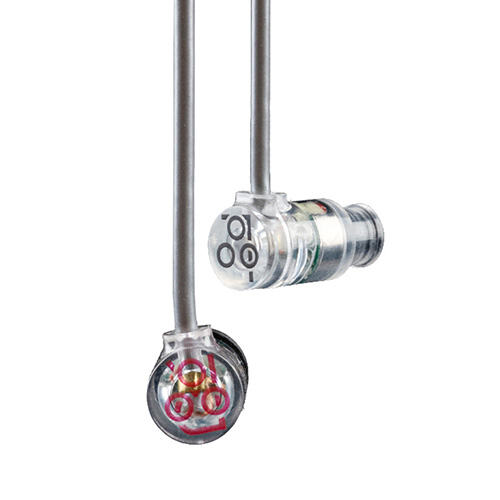
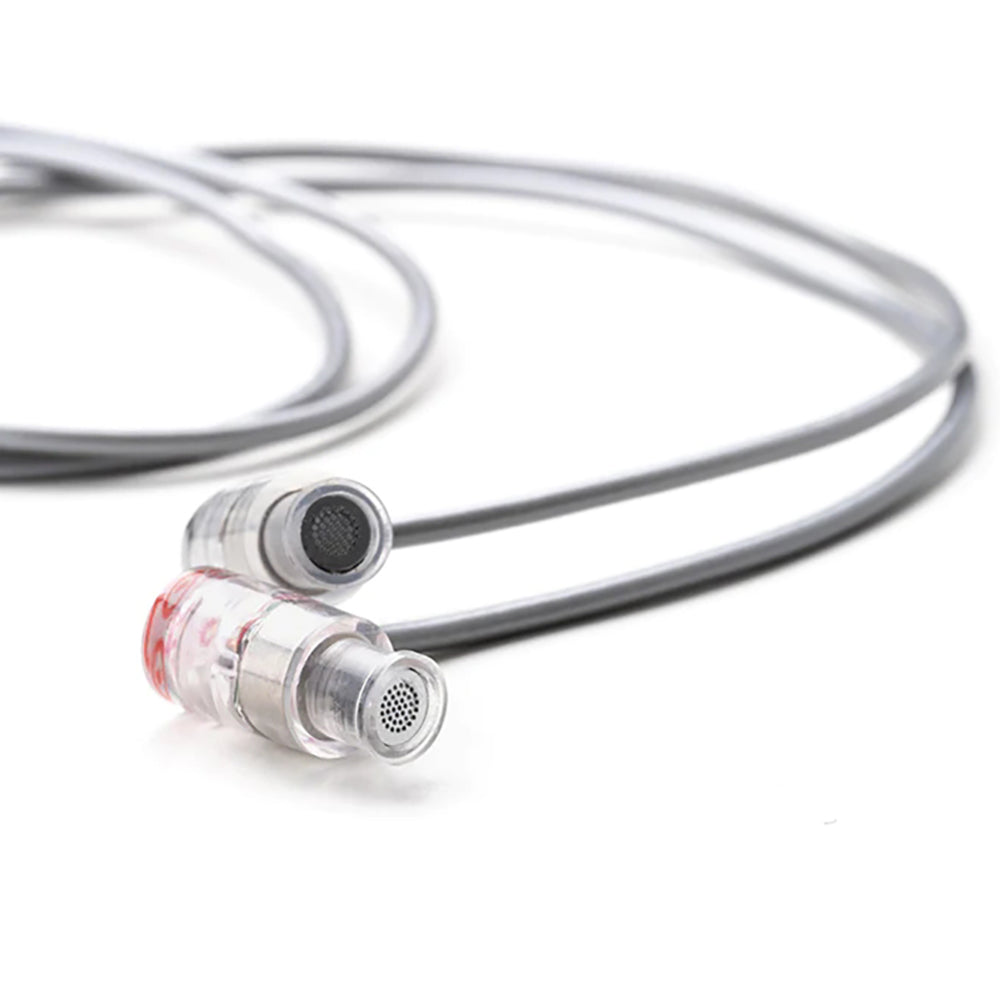
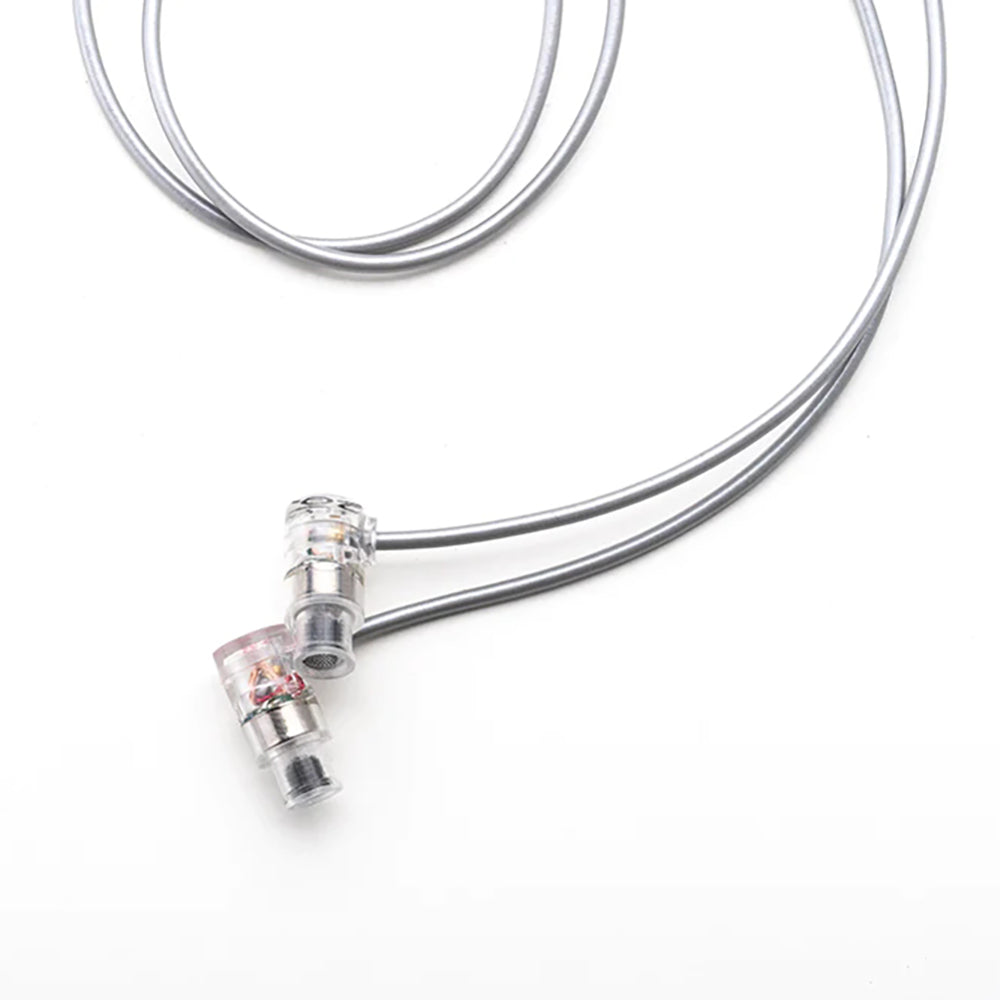
The Quarks uses a closed anterior cavity design around a single micro dynamic driver, housed in a small clear resin shell. It is a straightforward bullet-style IEM rather than a larger custom-style shell, which keeps the fit shallow and unobtrusive. The cable is thin and detachable via a proprietary 2-pin-style connector specific to this model, which is worth noting since it does not use the more universal 0.78mm format found on pricier Moondrop models.
Build quality feels appropriate for the price — nothing loose or rattly, but also nothing that feels premium. This is a earphone built to a cost, and it shows in small ways like the plain strain relief and basic cable jacket.
Sound Signature
The Quarks leans toward a warmer, bassier tuning than its direct successor, the Quark2. That extra low end gives it an enjoyable, fun character for casual listening, though it comes at the cost of some clarity in busier tracks — the bass can occasionally step on the lower midrange in bass-heavy songs rather than staying fully separated.
Where it holds up best is with simpler acoustic or vocal-forward music, where the single dynamic driver’s natural coherence (a benefit of using just one driver instead of a multi-driver hybrid) shows through. Treble is present but rolled off gently rather than sharp, which makes the Quarks a forgiving listen over long sessions.
Comfort and Fit
The compact bullet shape sits comfortably for most ear shapes, and the light weight means there is very little strain even during multi-hour listening sessions. I did not experience any driver flex or pressure discomfort, which occasionally shows up on cheaper dynamic-driver IEMs with poorly vented shells.
One practical note: because the shell is small and the stock eartips are fairly basic, spending a few dollars on a better-fitting aftermarket tip set noticeably improves both comfort and bass seal.
Who Should Still Consider the Quarks
- Anyone on an extremely tight budget who wants a genuine step up from included phone earbuds
- Listeners who prefer a warmer, bass-leaning signature over a neutral one
- Someone who wants a spare pair for the gym or outdoors without worrying about damaging a pricier IEM
If you can stretch your budget slightly, the newer Quark2 refines the tuning with better control and a more universal cable connector, and is generally the better buy today unless you specifically want the warmer original signature or find the Quarks at a steep discount.
What Made the Quarks Stand Out at Launch
When it first appeared, the Quarks was competing against a sea of near-identical unbranded earbuds sold under a dozen different storefronts, most tuned with an exaggerated, boomy bass response and almost no attention to midrange clarity. The Quarks broke that pattern by applying the same measurement-driven tuning process Moondrop uses on its pricier IEMs, just scaled down to fit a much cheaper driver and shell.
That is really the story behind why review sites and forum threads kept recommending it: it was one of the first sub-$20 earphones where you could point to an actual tuning philosophy rather than “whatever sounded loud in a five-minute test.” It set a template that a lot of budget competitors have since tried to copy, with mixed success.
Accessories and What’s in the Box
The retail package is minimal, which is expected at this price: the earpieces, the attached or detachable cable depending on region, a small set of silicone eartips in a couple of sizes, and a basic pouch or box insert. There is no carrying case, no cable organizer, and no alternate tuning filters — all reasonable omissions for the price bracket.
If you plan to keep a pair of Quarks as a everyday-carry backup earphone, I would budget a few extra dollars for a small hard case, since the stock packaging is not really meant for daily bag use.
A Practical Test: Podcasts and Voice Calls
Beyond music, I also used the Quarks for a week of podcast listening and a handful of voice calls through a phone’s inline remote (on versions that include one). Voice clarity for spoken word content was a genuine strength — the midrange emphasis that sometimes gets overshadowed by bass in music tracks works in the Quarks’ favor for dialogue-heavy content, where there is no competing bassline to fight for space.
Common Problems and Fixes
- Problem: Bass sounds weak or the seal feels inconsistent. The stock eartips are fairly basic, so switching to a better-fitting aftermarket tip set is the single biggest fix for both comfort and bass response on the Quarks.
- Problem: One earpiece is quieter or cuts out. Because the Quarks uses a proprietary 2-pin-style connector rather than the universal 0.78mm standard, reseat the cable carefully at the connector before assuming the driver itself has failed.
- Problem: Sound feels muddy on bass-heavy tracks. This is a known characteristic of the Quarks’ warmer tuning rather than a defect — the bass can step on the lower midrange in busy mixes, and switching to the newer Quark2 addresses this if it bothers you.
- Problem: Cable feels thin and you are worried about durability. Handle the connector end gently when removing tips or storing the earphones, since the thin cable and basic strain relief are the most likely wear points at this price.
- Problem: Earphones do not stay seated during movement. Try running the cable up and over the ear rather than straight down, which stabilizes the shallow bullet-style fit considerably during activity.
Frequently Asked Questions
Is the Moondrop Quarks still worth buying?
Yes, especially at a discount, though the newer Quark2 offers improved tuning and a more universal cable for a similar price when available.
What driver does the Quarks use?
A single micro dynamic driver in a closed anterior cavity design, rather than a multi-driver hybrid setup.
Does the Quarks have a detachable cable?
Yes, though it uses a proprietary connector specific to this model rather than the standard 0.78mm 2-pin format.
How does it compare to the Quark2?
The original Quarks leans bassier and can sound slightly less controlled; the Quark2 offers a more balanced, refined tuning.
Conclusion
The Moondrop Quarks earned its reputation honestly — for the price, it delivers a genuinely enjoyable, warm sound signature with none of the harshness that plagues a lot of ultra-budget earphones. It is not the sharpest tool in Moondrop’s lineup anymore, but as an entry point into wired IEMs or a beater pair for daily abuse, it remains an easy recommendation.
Reviewed after several weeks of casual and critical listening across acoustic, pop, and bass-heavy playlists, compared directly against the newer Quark2 for reference.