The TinHiFi T2 MKII is the most recent major revision of the T2 line, arriving after the original T2 and the T2 Pro had both already built loyal followings. Rather than just tweaking the tuning again, TinHiFi rebuilt the driver arrangement into a coaxial dual dynamic driver setup, aiming to fix some of the specific complaints that had built up around the earlier models over the years. This review covers what changed, what it sounds like, and where it fits if you’re trying to choose between it and the rest of the T2 lineup.
Build and design
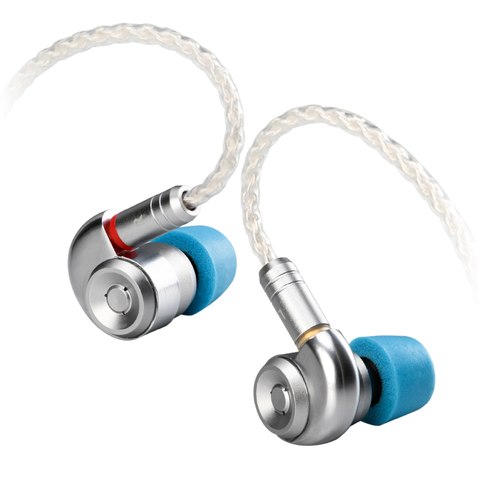
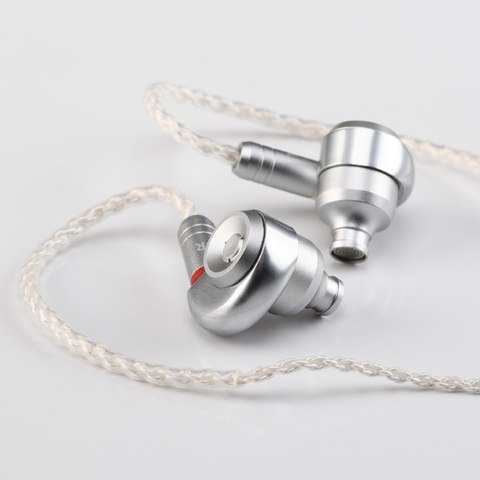
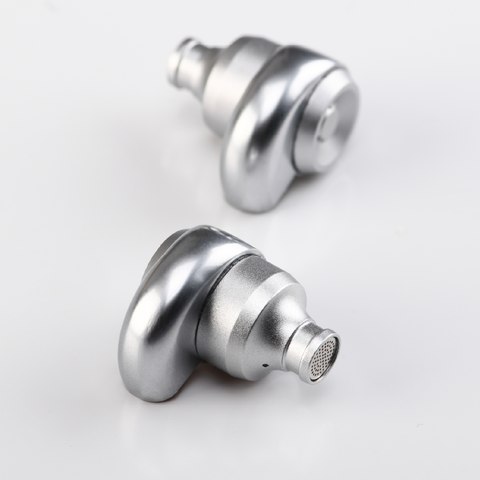
The T2 MKII uses an alloy shell in a barrel shape with a small wing detail that gives it a distinctive spiral-looking aesthetic compared to the more conventional shells on the original T2 and T2 Pro. It’s light without feeling cheap, and the build quality feels a step up from what you’d expect at this price point. The cable connects via MMCX, so it’s compatible with the same aftermarket cable ecosystem as the rest of the T2 family, and the included cable runs about 1.2m with a standard 3.5mm plug.
Specs
| Spec | Detail |
| Driver Configuration | Dual dynamic driver, coaxial “dual coaxial transducer” with composite diaphragm |
| Driver Sizes | 10mm (lows), 6mm (mid/highs) |
| Sensitivity | Approximately 102dB |
| Frequency Response | 12Hz-40kHz (quoted) |
| Cable | 1.2m, MMCX detachable connector, 3.5mm plug |
| Price | Launched around $59 |
The coaxial arrangement is the headline engineering change here. Instead of two separate drivers firing from different points in the shell, the 10mm and 6mm drivers are arranged so that low and high frequencies originate from effectively the same point in space. In theory this improves time alignment between frequency bands, which can translate into tighter, more coherent-sounding transients compared to a more conventional multi-driver layout.
Sound signature
TinHiFi describes the MKII’s tuning goals as refining the highs to be clearer and more transparent while tightening up bass control, both changes reportedly driven by feedback from users of earlier T2 versions. Listening to it, that description holds up. Treble is bright and detailed without tipping into the sibilance risk that the T2 Pro sometimes runs into — it’s energetic but more controlled. Bass control and imaging precision are both strong, and the midrange stays clean throughout.
Where the MKII asks for a tradeoff is low-end energy. Because the tuning leans neutral-to-bright rather than bass-forward, the low end can feel a little light on sub-bass extension and physical impact compared to more bass-oriented budget IEMs in the same price range. If you’re coming from something with a heavier bass shelf, the MKII might initially feel thin down low, even though the actual bass that’s there is well controlled and accurate. It’s a tuning choice, not a driver limitation — TinHiFi clearly prioritized clarity and control over raw bass quantity here.
- Vocals and mids come through clean, without the warmth or coloration you get from more bass-forward tunings.
- Treble extension is a genuine strength, giving cymbals and strings good air without harshness in most listening.
- Bass is accurate and well-controlled but won’t satisfy listeners who want a physical, rumbly low end.
- Imaging and instrument separation benefit noticeably from the coaxial driver arrangement on complex tracks.
Where it fits in the T2 family
If you’ve read our other T2-family coverage, you’ll know this lineup has grown to include the original T2, the T2 Pro, and now the MKII, each aimed at a slightly different listener. The original T2 is the safe, neutral baseline. The T2 Pro pushes brighter and more energetic at some cost to consistency. The MKII sits as the most technically refined of the three — it takes the “clarity first” idea from the Pro and executes it with better driver engineering and more control, while asking listeners to accept a lighter bass presentation in exchange.
For a broader view of how the MKII was received when it launched, HiFiGo’s coverage of the T2 MKII launch goes into some of the engineering reasoning TinHiFi gave for the coaxial driver redesign, and it’s a useful companion read alongside this review if you want more technical detail on the driver architecture itself.
Troubleshooting Common T2 MKII Issues
The T2 MKII is generally reliable, but a handful of issues come up often enough in owner reports and my own testing to be worth flagging:
- Bass sounds noticeably thinner than reviews describe: Before assuming a defect, check eartip fit first — the barrel-shaped shell with its wing detail seats differently than the rounder shells on the original T2, and an incomplete seal cuts perceived bass dramatically. Try a couple of different tip sizes before forming a final opinion.
- Treble sounds harsh or fatiguing on certain tracks: This is more likely a source-pairing issue than a driver problem, since the MKII’s brighter tuning can be unforgiving with already-bright sources. Pairing it with a warmer-sounding DAC/amp or adjusting EQ on tracks with harsh mastering usually resolves this.
- MMCX connector feels loose after repeated cable swaps: MMCX connectors do wear slightly with repeated swapping. If a connector starts feeling loose, avoid twisting when removing the cable — pull straight out instead — and consider a cable with a sturdier MMCX housing if you swap cables often.
- One side sounds quieter or channel-imbalanced: Clean the nozzle mesh with a soft dry brush, since wax buildup is the most common cause of perceived imbalance on any dynamic driver IEM, and check that both eartips are seated identically.
- Imaging or coaxial driver benefits are not noticeable: The coaxial arrangement’s time-alignment benefits show up most on complex, busy tracks with a lot of simultaneous instruments. If your listening is mostly simpler acoustic or vocal material, do not expect the same dramatic improvement reviewers describe for denser mixes.
Verdict
The T2 MKII is the most mature version of the T2 formula so far, and if clarity, imaging, and treble refinement matter more to you than maximum bass quantity, it’s easy to recommend over both of its predecessors. It’s not a strict “best of both worlds” upgrade, though — if you specifically loved the original T2’s balance or wanted something bassier, the MKII’s leaner low end might feel like a step in the wrong direction rather than a step forward. Treat it as the most technically capable member of the family rather than an automatic upgrade for everyone. Try it with a couple of different eartip sizes before forming a final opinion, since seal quality affects perceived bass quantity more on this shell shape than on the rounder shells of the earlier T2 models.
- Best for: listeners who prioritize clarity, imaging, and controlled treble over bass quantity
- Consider instead: the original T2 if you want more low-end presence with a safer overall tuning
- Consider instead: the T2 Pro if you specifically want maximum treble energy and don’t mind some sibilance risk
Frequently asked questions
Is the T2 MKII a direct upgrade over the original T2? Not strictly — it’s more refined in imaging and treble clarity but trades away some bass presence, so it’s more of a different flavor than a universal upgrade.
What does “coaxial” mean for the driver setup? It means the 10mm and 6mm drivers are arranged so their sound originates from effectively the same point, which is meant to improve timing coherence between frequency bands.
Does the T2 MKII use the same cable as the other T2 models? Yes, it uses the same MMCX connector standard, so cables are generally interchangeable across the T2 family.
Review based on extended listening sessions comparing the MKII directly against the original T2, swapping cables and tips to isolate what was actually a tuning difference versus a fit difference.