The Tin HiFi T2 and T2 Pro get confused for each other constantly, which makes sense given the name. They look similar, they share a driver configuration, and they cost about the same. But they are tuned quite differently, and picking the wrong one for your taste can mean the difference between an IEM you reach for every day and one that ends up in a drawer. This comparison walks through the real, verifiable differences between the two so you can decide which one actually fits how you listen.
The short version
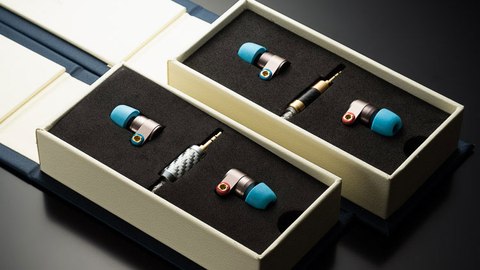
Both the T2 and T2 Pro share the same dual dynamic driver configuration internally. The “Pro” name doesn’t refer to a driver upgrade — it’s mostly a tuning and cosmetic revision. That’s an important thing to understand going in: this isn’t a strict upgrade path where the Pro is simply “better.” It’s more accurate to call it a sidegrade, where the Pro trades some of the base T2’s safety and consistency for a brighter, more energetic top end that works great on some tracks and gets fatiguing on others.
Spec and build comparison
| Feature | Tin HiFi T2 | Tin HiFi T2 Pro |
|---|---|---|
| Driver configuration | Dual dynamic driver | Dual dynamic driver (same core design) |
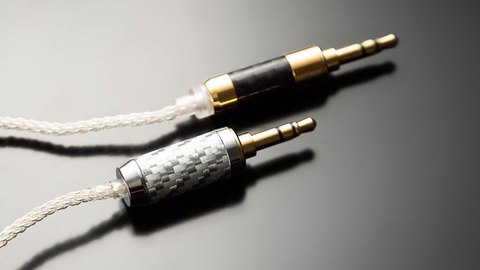
| Plug color/finish | Silver | Black-gold, carbon fiber accent |
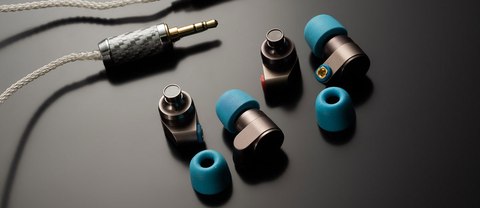
| Shell shade | Standard finish | A shade lighter than the base T2 |
| Eartip/pad array | Standard set | Slightly different array included |
| Tuning character | Closer to neutral, minimal timbre issues | Brighter, more extension at both extremes |
| Risk of sibilance | Low | Moderate on bright recordings |
| Best suited for | Safer, all-day listening | Listeners who want extra air and detail-forward tuning |
Visual differences worth knowing before you buy
If you’re buying secondhand or trying to verify a listing photo actually shows the model being sold, the plug is the fastest way to tell these two apart. The base T2 uses a plain silver 3.5mm plug. The T2 Pro uses a black-gold plug with a carbon fiber-textured barrel, which is a fairly distinctive look once you know to check for it. Shell color is a subtler difference — the Pro runs a shade lighter than the standard T2 — and the included eartip and pad selection differs slightly between the two as well, though that’s a less reliable identifier since accessories get mixed up between units over time.
Sound signature: where they actually diverge
This is the part that matters most for picking between them. The base T2 is tuned closer to a neutral response with decent resolution and comparatively few timbre issues — instruments and vocals tend to sound like themselves rather than being pushed one direction or another. It’s the “safer” choice in the sense that it’s less likely to expose flaws in poorly mastered recordings.
The T2 Pro pushes extension further at both frequency extremes and leans noticeably brighter overall. On well-recorded, well-mastered tracks this can translate into an airier, more detailed-sounding presentation with a slightly wider sense of space. The tradeoff is that this same brightness pushes the T2 Pro closer to sibilance than the base model, and some listeners describe the added detail as feeling a little artificial or over-emphasized rather than naturally resolved. It’s the kind of tuning that can sound genuinely impressive on a great recording and genuinely tiring on a harsh one.
Which one should you buy
- Pick the base T2 if you listen to a wide variety of recording quality, you’re sensitive to treble energy, or you want one IEM you can wear for hours without fatigue.
- Pick the T2 Pro if you mostly listen to well-mastered tracks, you like a brighter and more “exciting” presentation, and you don’t mind occasional sibilance as the cost of extra perceived detail.
- Skip both and consider the T2 MKII if you want the most refined, most recently updated take on this same basic formula — we cover that model separately in our T2 MKII review.
Is the Pro actually worth the upgrade
Honestly, not universally. Because the driver hardware is shared between the two models, you’re really paying for a tuning preference rather than a technical upgrade, and tuning preference is subjective in a way that raw driver specs aren’t. Several independent reviewers have landed on a similar conclusion — Headfonics’ T2 and T2 Pro review and Soundphile Review’s T2 Pro writeup both frame the Pro as a sidegrade rather than a strict improvement, which lines up with what I’ve heard comparing the two side by side. If you already own the base T2 and you’re happy with it, there’s a real chance the Pro won’t feel like an upgrade at all.
A bit of background on why the Pro exists
The T2 Pro arrived after the original T2 had already built a strong reputation as a value pick in the budget IEM space. Rather than replacing the T2 outright, TinHiFi (still branded as Tin Audio at the time) positioned the Pro as a parallel option for listeners who wanted a different flavor of the same basic design. That’s a fairly common move in the budget IEM market — instead of discontinuing a well-loved model to push a “better” one, brands often keep the original around and add a variant next to it. It’s part of why the T2 family eventually grew to include the Pro, the Plus, the MKII, and several other variants, each aimed at a slightly different kind of listener rather than being a straightforward generational replacement.
Understanding that context helps explain why neither model is objectively “correct.” They were designed to sit side by side, not to replace each other, which is exactly why the buying decision here comes down to your own listening preferences rather than which one is newer or more expensive.
Practical buying advice
Prices for both models fluctuate depending on retailer promotions, so it’s worth checking current listings before assuming one is a fixed amount more expensive than the other. If you can, try to find a retailer or reviewer with a return policy or detailed measurement data, since the differences described here — while consistent across most listening impressions — are still partly a matter of personal taste. What sounds “exciting” to one listener can sound “harsh” to another on the exact same track, and that’s really the whole crux of the T2 versus T2 Pro decision.
Troubleshooting and common ownership issues
A few practical issues come up often enough with the T2/T2 Pro line that they’re worth covering directly, since most have simple fixes rather than being signs of a defective unit.
- One side sounds quieter or cuts out intermittently: This is almost always the detachable cable connector, not the driver. Remove and reseat both 2-pin connectors firmly, and check the pins for bent or recessed contacts before assuming the earpiece itself has failed.
- Fit feels loose or the seal keeps breaking: Both models ship with a limited stock tip range; swapping to a wider set of silicone or foam tips usually resolves both comfort and the thin-bass complaint that a bad seal causes, since bass response depends heavily on seal quality with dynamic drivers.
- T2 Pro sounds harsher than expected on certain tracks: This is expected behavior given the brighter tuning described above, not a fault. Try a slightly wider or deeper-seated tip to tame some of the upper-treble energy, or switch to the base T2 for that specific listening session.
- Can’t tell if a secondhand unit is genuine: Buy from Tin HiFi’s authorized retailers or Linsoul directly where possible; counterfeit budget IEMs are common enough in this price bracket that an unusually low price from an unfamiliar seller is a real warning sign.
- Cable feels stiff or tangles easily out of the box: This is normal on a new stock cable; a few days of regular use loosens it up, and looping it loosely rather than wrapping tightly when storing prevents kinks from setting permanently.
Frequently asked questions
Do the T2 and T2 Pro use different drivers? No, both use the same dual dynamic driver configuration; the differences come from tuning and cosmetics, not hardware.
Which one is more beginner-friendly? The base T2, since its more neutral tuning is more forgiving across a wider range of recording quality.
Can I tell them apart without the box? Yes — check the plug. Silver means base T2, black-gold with a carbon fiber texture means T2 Pro.
Comparison put together after spending time with both units back to back on the same tracks, swapping between them to keep the differences fresh rather than relying on memory alone.