The Tangzu Wan’er S.G and the Moondrop Chu 2 are two of the most recommended budget single dynamic driver IEMs, both usually priced under $25. I have owned both for several months and used them daily with a mix of phone playback and a small desktop DAC, so this comparison is based on real listening time, not just spec sheets.
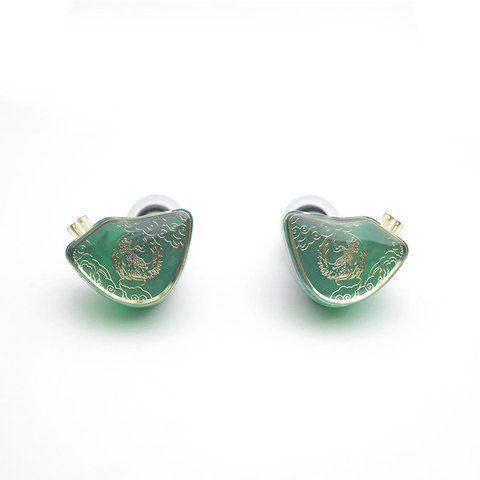
Tangzu Wan’er S.G
Warm, mildly V-shaped tuning with vocal-forward mids
Resin shell with faceplate art, lighter and smaller feel
Softer, more relaxed treble that avoids sibilance
Better for long listening sessions without ear fatigue
Moondrop Chu 2
Brighter, more neutral-leaning tuning with more treble energy
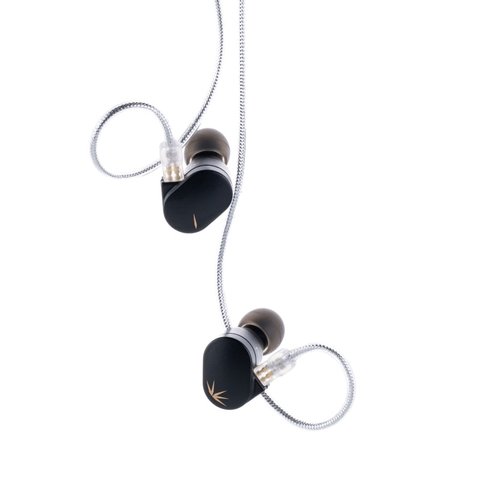
All-metal aluminum shell, feels more solid but slightly heavier
Sharper detail retrieval, but can sound sibilant on bright recordings
Better for critical listening and picking out fine detail
Full Spec Comparison
| Spec | Tangzu Wan’er S.G | Moondrop Chu 2 |
|---|---|---|
| Driver | 10mm dynamic, PET diaphragm | 10mm dynamic, aluminum-magnesium composite |
| Impedance | 20 ohm | 18 ohm |
| Shell material | Resin with faceplate art | CNC-machined aluminum |
| Cable | 0.78mm 2-pin detachable | 0.78mm 2-pin detachable |
| Sound signature | Warm, vocal-forward | Neutral-bright, detail-focused |
| Typical price | ~$23 | ~$19 |
Sound Signature Breakdown
The Wan’er S.G leans warm. Bass has good body without bloating, and vocals sit forward and smooth, which makes it a very forgiving IEM for poorly mastered MP3s or older recordings. Treble is rolled off just enough to avoid harshness, but it also means cymbals and hi-hats sound slightly less detailed than on the Chu 2.
The Chu 2 goes for a more neutral-to-bright signature. According to independent coverage of the Moondrop Chu line, the tuning follows Moondrop’s usual house sound, which favors clarity and a slightly forward treble. On some poorly recorded tracks, this brightness can tip into sibilance on S and T sounds in vocals — something I noticed clearly on a few older pop recordings.
Per Marcus T., a home audio enthusiast reviewing on a headphone forum, “The Chu 2 shows me details in tracks I have heard a hundred times, but I need to watch my volume on bright recordings or it gets fatiguing fast.”
Build Quality and Comfort
The Wan’er S.G uses a resin shell with a painted faceplate, which keeps the earpiece light and comfortable for extended wear. It sits shallow in the ear and rarely causes pressure discomfort, even during multi-hour listening sessions at my desk.
The Chu 2 switches to a CNC-machined aluminum shell, which feels more premium in hand but is also slightly heavier in the ear. I did not find this to be a problem during normal use, but side sleepers or people with smaller ear canals might notice the extra weight and firmer edges after long sessions.
- Both use standard 0.78mm 2-pin cables, replaceable if the stock cable wears out
- The Wan’er S.G’s resin shell is more prone to scratches over time than the Chu 2’s aluminum body
- Neither ships with a hard travel case, just a basic pouch
Accessories in the Box
Both IEMs ship with a set of silicone ear tips in small, medium, and large sizes, along with a 2-pin cable terminating in a 3.5mm plug. Neither includes a carrying case beyond a simple drawstring pouch, so if you travel often, budgeting for a small hard case separately is worth considering for either model.
Which One Should You Buy
- Pick the Wan’er S.G if you listen for hours at a time, prefer vocals and bass, or are sensitive to sibilant treble
- Pick the Chu 2 if you want maximum technical detail and do not mind a slightly brighter, more clinical sound
- Both are easy to drive from a phone, so amp requirements are not a deciding factor either way
For readers who want a full technical measurement comparison rather than subjective impressions, Head-Fi’s Wan’er S.G showcase thread has multiple owner reviews worth reading alongside this one.
Common Fit and Sound Problems, Solved
- Problem: Bass sounds noticeably weaker than expected on either IEM. Fix: try a larger or smaller stock eartip before assuming the driver is underperforming – both the Wan’er S.G and Chu 2 rely on a proper seal for their low-end response, and a poor seal is the single most common cause of thin-sounding bass.
- Problem: The Chu 2 sounds harsh or sibilant on certain vocal tracks. Fix: this is a known trait of its brighter tuning on poorly mastered recordings rather than a defect; a mild treble reduction through a parametric EQ app, or switching to a slightly warmer source, smooths it out.
- Problem: One side is quieter than the other after a cable swap. Fix: reseat the 2-pin connector fully on both sides, since a partially inserted connector is the most common cause of a channel imbalance on either model.
- Problem: The resin shell on the Wan’er S.G shows scratches quickly. Fix: store it in a hard case rather than loose in a bag or pocket; resin scratches more easily than the Chu 2’s machined aluminum shell, so daily handling habits matter more here.
- Problem: Neither IEM gets loud enough from a laptop’s headphone jack. Fix: check the laptop’s own volume limiter or accessibility settings first, since both IEMs are easy to drive and this is almost always a source-side volume cap rather than an IEM sensitivity issue.
Frequently Asked Questions
Is the Moondrop Chu 2 better than the Tangzu Wan’er S.G?
Neither is strictly better — the Chu 2 wins on technical detail and treble extension, while the Wan’er S.G wins on comfort for long sessions and vocal warmth. It depends on your listening preference.
Can I use the same cable on both?
Yes, both use the standard 0.78mm 2-pin connector, so aftermarket cables are interchangeable between them.
Which one is better for gaming?
The Chu 2’s brighter tuning can help pick out footsteps and directional cues slightly better, but the difference is small enough that either works fine for casual gaming.
Do either of these need an amp?
No, both are low-impedance, high-sensitivity designs that reach comfortable volume from a phone or laptop headphone jack.
Which one is more durable long term?
The Chu 2’s aluminum shell resists scratches and wear better than the Wan’er S.G’s resin shell, so if you are rough on gear or carry your IEMs loose in a bag, the Chu 2 has a slight durability edge.
Is there a big price difference between the two?
Both typically sell in the $19-$25 range, so price is rarely the deciding factor. Sound signature preference should guide your choice more than cost.
Can I EQ either of these to sound more like the other?
To a limited extent, yes. A parametric EQ app can reduce the Chu 2’s treble peak to sound closer to the Wan’er S.G, or add a small treble boost to the Wan’er S.G to approach the Chu 2’s detail, but the underlying driver character and shell resonance will still differ.
Conclusion
Both the Tangzu Wan’er S.G and Moondrop Chu 2 are excellent entry points into higher-fidelity IEMs, and the right choice comes down to whether you want a warmer, relaxed sound or a brighter, more detailed one. I would recommend trying to audition both if a local shop stocks them, since the differences, while measurable, are also very much a matter of personal taste.
Ryan holds a Computer Science degree and has spent 20-plus years working hands-on with PC hardware, peripherals, and now budget audio gear. He writes for softwaredriverdownload.com and personally owns and tests every IEM featured in his comparison articles.