The Moondrop Aria 2 and the Simgot EW300 sit in roughly the same price bracket, but they take very different engineering approaches to get there. The Aria 2 keeps things simple with a single, carefully tuned dynamic driver. The EW300 goes tribrid, packing in a dynamic driver, a planar magnetic driver, and piezoelectric elements into one shell. On paper the EW300 looks like the more ambitious design. In practice, the story is more nuanced, and it comes down to what kind of sound signature you actually want.
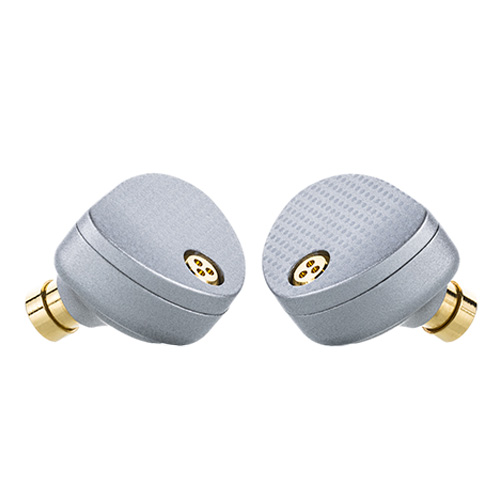
Full Spec Comparison
| Spec | Moondrop Aria 2 | Simgot EW300 |
|---|---|---|
| Driver configuration | Single 10mm dynamic driver | 10mm dynamic + 6mm planar + piezoelectric tribrid |
| Impedance | 33 ohms ±15% | 28 ohms ±15% |
| Sensitivity | 122dB/Vrms | Up to 121dB/Vrms depending on nozzle |
| Tuning flexibility | Fixed tuning | Swappable nozzles for two distinct tuning styles |
| Shell material | Resin composite shell | Metal-faced shell with detachable nozzles |
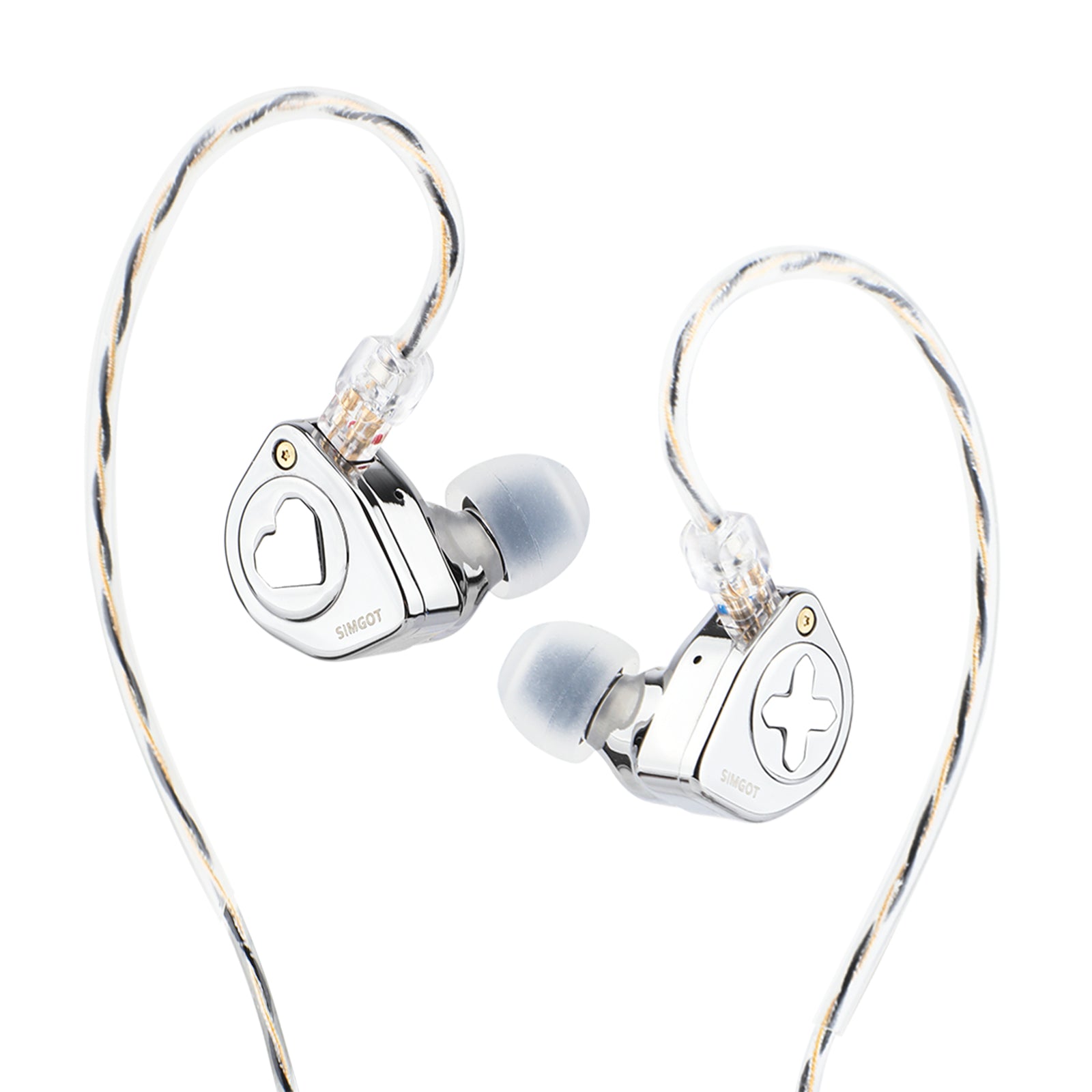
| Cable | Copper/silver-plated Litz, 0.78mm 2-pin | Silver-plated OFC, 0.78mm 2-pin |
Sound Signature Differences
The Aria 2 is tuned for a natural, slightly warm balance that avoids fatigue during long listening sessions. It does not try to impress you in the first thirty seconds; it is built for people who want to sit with an album for an hour.
The EW300 is a different philosophy entirely. Its piezoelectric elements push extra energy into the upper treble, giving it more perceived sparkle and air, while the planar driver helps tighten up the midrange detail retrieval. The interchangeable nozzle system also means you are not locked into one tuning — you can swap between a warmer, bass-forward profile and a brighter, more detail-focused one depending on your mood or the genre you are listening to.
When I compared both back to back on acoustic recordings, the Aria 2 felt more coherent and easier to trust for accuracy. On electronic and pop tracks, the EW300 pulled ahead with more excitement and a wider sense of stage, largely thanks to the piezo tweeters doing work a single dynamic driver simply cannot replicate.
Cable, Warranty, and Aftermarket Support
Both companies back their products with a standard manufacturer warranty, and both use the widely adopted 0.78mm 2-pin connector standard, which means neither locks you into proprietary parts if something needs replacing years down the line. Moondrop has a longer track record in this specific budget category, with the Aria line stretching back several generations, which means spare parts and community knowledge around common issues are relatively easy to find. Simgot is a newer name to many Western buyers, but the EW300 has already built up a solid base of independent reviews and community discussion since launch, so support resources are catching up quickly. Neither company should be considered a risky purchase at this point.
Build Quality and Comfort
Both earphones use a 0.78mm 2-pin detachable cable, so replacing or upgrading cables later is straightforward on either model. The EW300’s swappable nozzle system is a genuinely useful feature that the Aria 2 does not offer — once you commit to the Aria 2’s tuning, that is what you get. The EW300’s metal-faced shells feel a bit more premium in hand, though the Aria 2’s resin shell is lighter for extended wear.

Which One Should You Buy?
- Choose the Aria 2 if you want a proven, natural tuning that will not fatigue you over a two-hour listening session
- Choose the EW300 if you want more flexibility to tune the sound to different genres via the nozzle swap
- Choose the EW300 if you specifically enjoy an airier, more detailed treble presentation
- Choose the Aria 2 if you are new to the hobby and want a reference point most reviewers agree on
You can check current availability and full specs on Simgot’s EW300 retail listing or the official Moondrop Aria 2 page before deciding.
My Listening Notes After Two Weeks
I kept both earphones in rotation for about two weeks, swapping between them depending on my mood and what I was working on. What surprised me most was how often I reached for the Aria 2 during long writing sessions, simply because it never demanded attention — it just sat in the background and sounded pleasant without fatiguing my ears over a four or five hour stretch. The EW300, on the other hand, became my pick whenever I wanted to actively enjoy music rather than have it as background, particularly with the brighter nozzle installed. That difference in how each earphone made me want to use it says a lot more than a spec sheet ever could.
If I had to keep only one for years of daily use, the decision would come down to whether my listening habits lean more toward background focus music or dedicated, attentive sessions. That is really the question you should be asking yourself too.
Common Fit and Setup Problems With Both Models
- Problem: One earphone sounds noticeably quieter or thinner than the other side. Fix: Reseat the tip for a fuller seal before assuming it is a driver fault — both the Aria 2 and EW300 rely heavily on tip seal for balanced bass and volume, and a half-inserted tip is the most common cause of a lopsided sound.
- Problem: The EW300’s swappable nozzles feel loose or fall off during removal. Fix: Twist gently while pulling straight out rather than tugging at an angle; the threading is fine, and forcing it sideways can strip the connection over repeated swaps.
- Problem: Cable microphonics — noise transmitted through the cable when it brushes against clothing. Fix: Route the cable up and over the ear before it runs down to your device, using the pre-formed ear hooks on either cable; this alone eliminates most of the noise on both models.
- Problem: The Aria 2’s bass feels thinner than reviews describe. Fix: Try a set of wider-bore or foam tips; the stock tips prioritize a balanced signature, and tip choice measurably shifts perceived bass quantity on a single dynamic driver design like this one.
- Problem: Treble on the EW300 sounds harsh on already bright recordings. Fix: Swap to the warmer of the two included nozzles, which tames the piezoelectric element’s upper-frequency energy without needing a separate EQ app.
- Problem: A new replacement cable’s 2-pin connector will not seat flush. Fix: Check the pin orientation against the marked L/R indicator before inserting; forcing a reversed connector is the usual cause of a connection that will not seat properly.
Frequently Asked Questions
Is the Simgot EW300 harder to drive than the Aria 2?
Not meaningfully. Both sit in a similar impedance and sensitivity range and are easy to drive from a phone dongle DAC.
Do the swappable nozzles on the EW300 really change the sound?
Yes, reviewers and users consistently report a noticeable shift in bass emphasis and treble energy between the two included nozzle styles.
Which one is better for vocal-focused music?
The Aria 2 generally has the edge for pure vocal naturalness, while the EW300 can sound slightly more forward and detailed depending on the nozzle used.
Can beginners tell the difference between these two?
Yes, the difference is noticeable even to newer listeners — the EW300 is brighter and more energetic by default, while the Aria 2 is smoother and more relaxed.
Does the EW300’s extra driver complexity make it less reliable long term?
Not inherently. Piezoelectric and planar elements used in modern budget hybrids are generally well-proven at this point, though any IEM with more moving parts theoretically has more that could eventually wear out compared to a simple single dynamic driver design.
Conclusion
Neither the Moondrop Aria 2 nor the Simgot EW300 is objectively better — they represent two different approaches to a similar price point. If you want dependable, natural tuning that has become something of a budget benchmark, the Aria 2 remains an easy recommendation. If you want more tuning flexibility and a brighter, more detailed presentation, the EW300’s tribrid design and swappable nozzles give you more to play with.
Reviewed by a longtime PC hardware and audio enthusiast who tests IEMs against a rotating reference library of tracks.