When Moondrop released a red colorway of the Aria 2, a lot of shoppers assumed it was a new, retuned variant — the kind of thing Moondrop and other Chinese IEM makers have occasionally done with special editions. After digging into the official product materials and cross-checking with retailer listings, I can say plainly: this is not the case here. The Aria 2 Red is a cosmetic colorway, not a different sonic product. Understanding that distinction will save you from overpaying for a difference that does not exist, or from skipping it because you assumed the tuning changed when it did not.
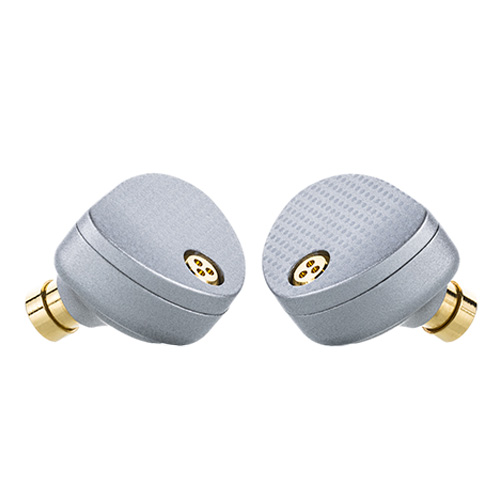
Quick Facts
| Brand | Moondrop |
| Model | Aria 2 / Aria 2 Red |
| Driver | 10mm ceramic-coated dynamic driver |
| Impedance | 33 ohms ±15% |
| Sensitivity | 122dB/Vrms |
| Connector | 0.78mm 2-pin, swappable plugs |
| Key difference | Electrophoresis-plated red finish only, no tuning change |
What Actually Changed With the Red Edition
Moondrop’s own description of the Aria 2 Red points to an electrophoresis finishing process used to achieve the vibrant red shell color, along with improved resistance to sweat and corrosion from the plating technique. That is a finishing and durability change, not an acoustic one. The internal driver, the ceramic-coated spherical dome diaphragm, the CNC-milled brass nozzle, and the cable are the same as the standard Aria 2.
In plain terms: if you already own the standard silver Aria 2, the red edition will not sound different in your ears. It is a color and finish option for people who want a more distinctive look, similar to how many companies release limited color runs of an existing product without touching the internals.
Side-by-Side Comparison
| Spec | Aria 2 (Standard) | Aria 2 Red |
|---|---|---|
| Driver | 10mm ceramic-coated dynamic driver | Same driver, unchanged |
| Impedance | 33 ohms ±15% | Same, 33 ohms ±15% |
| Sensitivity | 122dB/Vrms | Same, 122dB/Vrms |
| Shell finish | Standard silver-toned finish | Electrophoresis-plated red finish, added corrosion resistance |
| Cable | Copper and silver-plated Litz, swappable plugs | Identical cable included |
| Sound signature | Balanced with a mild warmth | Identical, no tuning change |

So Why Would You Choose the Red Version?
Purely aesthetic reasons, and that is a perfectly valid thing to buy for. Reasons shoppers give for picking the red edition:
- They simply prefer how it looks over the standard color option
- The plating process is reported to hold up better against sweat and everyday wear over time
- It stands out visually in photos and unboxing content, which matters to some buyers
- It is sometimes bundled or priced as a limited run, which can appeal to collectors
None of these reasons relate to sound quality, and that is worth repeating because a lot of comparison articles online imply otherwise without actually checking the source material.
Should You Pay More for the Red Edition?
If the red version costs noticeably more than the standard color and you do not care about the aesthetic, save your money and buy the regular Aria 2. If the pricing is close to identical, or you simply like the look better, there is no downside to choosing red — you are getting the exact same driver and tuning either way. I would treat this decision the same way you would treat choosing a phone case color: pick what you like, because the internals are not on the table.
Where to Verify Current Pricing
Because colorway availability and pricing shift over time, check Moondrop’s official Aria 2 product page or an authorized retailer before buying, since third-party listings occasionally mislabel color variants.
How I Confirmed This Before Writing About It
Because so many comparison articles online repeat unverified claims about “special edition” audio gear, I made a point of cross-checking Moondrop’s own product description against multiple retailer listings and independent hands-on posts before writing this. Every source pointed to the same conclusion: the finishing process and color are the only documented differences. If Moondrop had changed the tuning, that would typically show up as a distinct model number or an explicit note in the spec sheet, similar to how the Zero:Red from Truthear is clearly labeled as a retune elsewhere in this same product category. No such language exists anywhere in the Aria 2 Red’s official materials.
I mention this process because it matters. A lot of buyers get talked into paying a premium for a “special edition” assuming better sound, when in reality they are paying for a finish. Being able to tell the difference between a genuine retune and a cosmetic refresh is one of the more useful skills you can develop as a shopper in this hobby.
Common Fit and Connection Problems
- Problem: Bass sounds weak or thin. This is almost always a seal issue rather than a driver fault — try a larger or smaller stock eartip, or switch to memory foam tips, until you get a consistent seal in your ear canal.
- Problem: One side is noticeably quieter than the other. Remove and reseat the 2-pin connector on the quiet side first, since a partially seated connector is the most common cause of channel imbalance on detachable-cable IEMs.
- Problem: Static or crackling when moving the cable. Check the 2-pin connector for debris or corrosion, and gently wiggle the cable near the connector while playing audio to isolate whether the fault is in the cable or the earpiece itself.
- Problem: Earphones keep working loose during exercise or movement. Try rotating the fit so the cable runs up and over the ear rather than straight down, which is the standard way to stabilize a lightweight IEM shell.
- Problem: Sound seems muffled compared to when the earphones were new. Check the nozzle mesh for built-up earwax, which gradually blocks the driver opening and is a simple fix with a soft brush rather than a sign of driver failure.
Frequently Asked Questions
Does the Aria 2 Red sound different from the standard Aria 2?
No. Both use the identical driver, impedance, and sensitivity. The only difference is the shell finish and color.
Is the red edition a limited release?
Availability varies by retailer and region. It is best treated as a colorway option rather than a rare collector’s edition unless a retailer explicitly states otherwise.
Does the electrophoresis coating make the shell more durable?
Moondrop states the plating process improves resistance to sweat and corrosion, which could offer a small practical benefit over years of daily wear, though this is a minor factor for most buyers.
Can I mix and match, buying red earpieces with the standard cable?
The Aria 2 uses a standard 0.78mm 2-pin connector, so cables are generally interchangeable across colorways, though we would recommend using the included cable unless you have a specific reason to swap it.
Will resale value differ between the two colors?
In the used market, distinctive colorways sometimes hold value slightly better simply due to visual appeal and lower supply, but this is a minor factor and should not be the deciding reason to choose one over the other.
Conclusion
The Moondrop Aria 2 Red is a legitimate product, not a marketing gimmick, but it is a cosmetic variant rather than a sonic upgrade or a distinct tuning. If you are choosing between the two purely on sound, flip a coin — they are the same earphone. If you are choosing on looks, pick whichever finish you will actually enjoy looking at every time you reach for your earphones.
About the author: a self-taught audio hobbyist with a computer science background who cross-checks manufacturer claims against independent measurements before writing about them.