“Salt” sounds like a marketing gimmick until you learn the backstory: the Hidizs MP143 Salt is named after a real humpback whale, and Hidizs built the packaging and part of the sound-tuning story around a partnership with a whale conservation group. It is a slightly odd angle for an earphone launch, but the product underneath the story is a genuinely capable planar magnetic in-ear monitor, and that is what this guide focuses on.
I have been running the MP143 Salt alongside a small stack of other budget planar IEMs for the past few weeks, mostly on a portable dongle DAC during commutes, and it has become one of the pieces I reach for when I want punchy bass without the mid-bass bloat that a lot of cheaper planar sets suffer from.
Quick Spec Reference
| Spec | Detail |
| Driver | 14.3mm “FAST 2” planar magnetic driver, symmetrical magnetic circuit |
| Sensitivity / Impedance | 103 dB/mW, 17 ohms — drivable from a basic phone dongle DAC |
| Tuning | Three-position Pneumatic Sound Tuning Filter (bass / balanced / treble) |
| Cable | Detachable, standard 2-pin connector, 3.5mm plug |
| Price Tier | Budget-to-midrange planar IEM, roughly sub-$150 |
| Compatibility | Any 3.5mm source or USB-C/Lightning dongle DAC; no proprietary connector required |
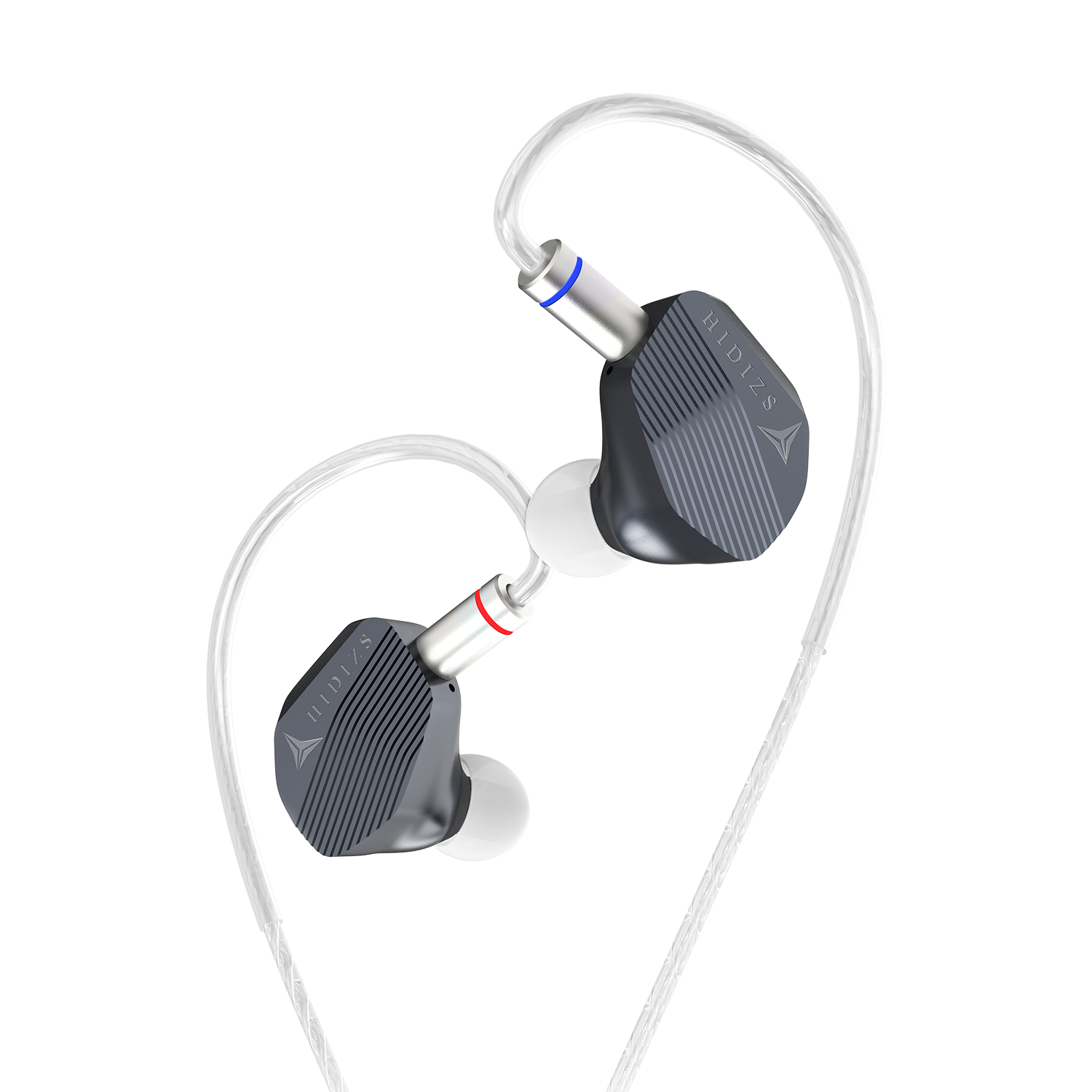
What makes the MP143 Salt different
The core of the MP143 Salt is a 14.3mm planar magnetic driver Hidizs calls “FAST 2,” built around a fully symmetrical magnetic circuit. Planar drivers move the entire diaphragm surface evenly rather than pushing from a single point like a traditional dynamic driver, which generally means faster transients and lower distortion at higher volumes, at the cost of usually needing a bit more power to drive well.
What sets the Salt apart from a typical planar IEM is Hidizs’ Pneumatic Sound Tuning Filter system. By physically rotating a small filter on the nozzle, you can shift the airflow inside the shell and change the tuning between three distinct profiles: a bass-forward setting, a balanced setting, and a brighter, treble-forward setting. It is a nice bit of hardware-level tuning flexibility that most IEMs in this price bracket do not offer at all.
Specifications at a glance
- Driver: 14.3mm large planar magnetic driver, fully symmetrical magnetic circuit
- Sensitivity: 103 dB/mW
- Impedance: 17 ohms
- Tuning: three-position Pneumatic Sound Tuning Filter (bass / balanced / treble)
- Cable: detachable, standard 2-pin connector
- Shell: lighter and more compact than the standard MP145 shell
How it sounds
Set to the balanced filter, which is where I left it for most of my listening, the MP143 Salt has a punchy, well-controlled low end that avoids the boomy, one-note bass some planar IEMs are known for. Sub-bass extension is strong, and because the driver can take more power without breaking down, bass-heavy electronic tracks stay tight even pushed louder than I would normally listen. Mids are slightly forward and clean, vocals sit comfortably in the mix, and the top end is smooth rather than aggressive, so long listening sessions do not become fatiguing.
Switching to the bass filter thickens the sub-bass noticeably, which works well for hip-hop and bass-heavy pop but can start to encroach on the lower mids if you are sensitive to that. The treble filter opens up the top end and improves perceived soundstage width, which suits acoustic and orchestral tracks better than the balanced setting does.
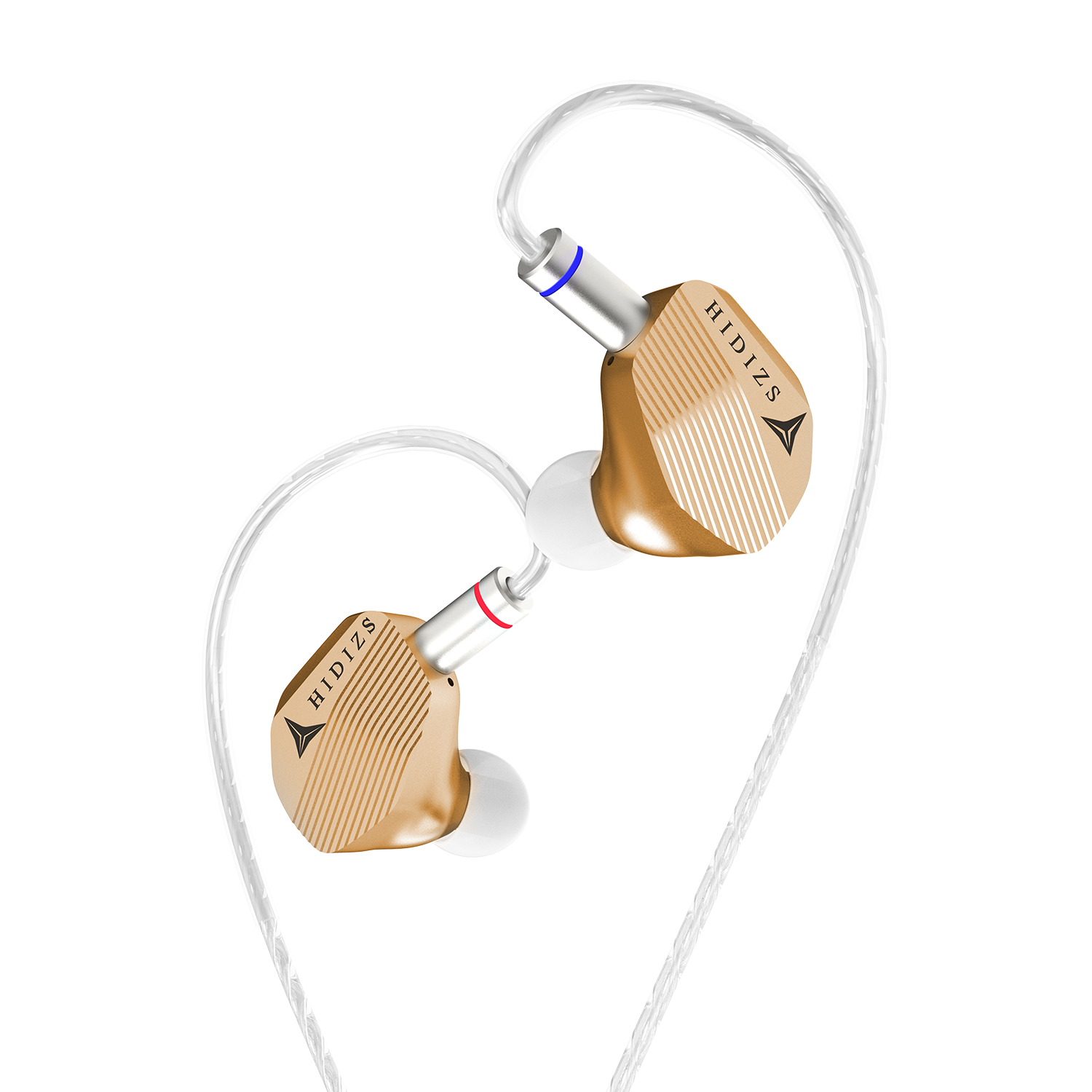
Getting the most out of the tuning filters
The filter system is genuinely useful but easy to overlook if you do not read the manual, so here is the short version:
- Locate the small rotating ring around the nozzle base on each earpiece.
- Rotate it to the marked position that matches the sound signature you want — bass, balanced, or treble.
- Make sure both earpieces are set to the same position, since mismatched filters will create an uneven stereo image.
- Re-seat the eartips after adjusting, since the rotation can slightly shift how the nozzle sits in your ear canal.
I would recommend starting on the balanced filter for at least a few listening sessions before experimenting, since it gives the most accurate sense of what the driver itself is doing before you start coloring the sound.
Power requirements and pairing
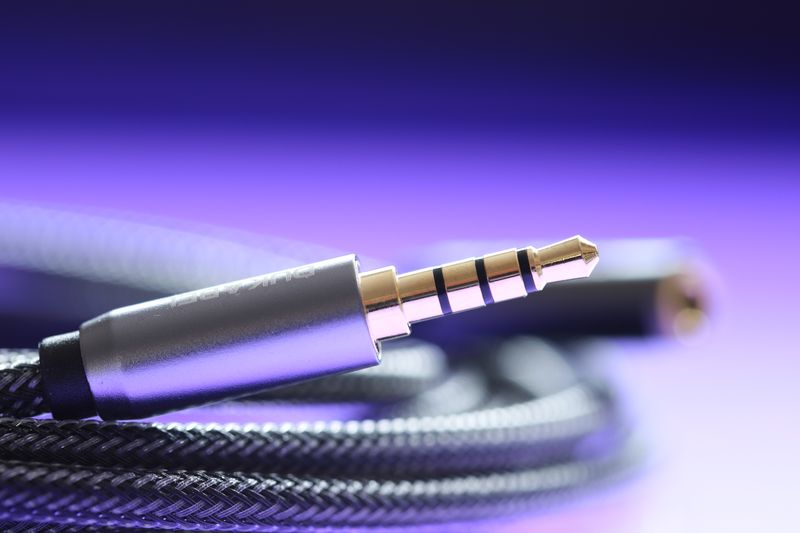
At 17 ohms and 103 dB/mW sensitivity, the MP143 Salt is easy enough to drive from a phone with a basic dongle DAC, though like most planar IEMs it does scale with better amplification — a stronger dongle or a small desktop amp will tighten up the bass response and add a bit more headroom on dynamic tracks. I paired it with a basic USB-C dongle for most of my testing and had no trouble reaching comfortable listening volumes.
Full specifications and current bundle pricing are listed on the official Hidizs MP143 Salt product page, including the bundles that pair it with one of Hidizs’ own dongle DACs if you do not already own a source.
Living with it day to day
A few weeks in, the parts of the MP143 Salt that stuck with me were less about peak fidelity and more about consistency. The nozzle angle sits comfortably enough that I never had to fuss with reseating it mid-commute, and the shell being lighter than most planar IEMs I have tried means I genuinely forget I am wearing it during longer sessions, which is not something I can say for every planar set on the market. Cable noise is also reasonably well controlled thanks to the stock cable’s memory-wire ear hooks, so walking around does not translate into constant thumping through the driver.
The one adjustment I had to make coming from dynamic driver earphones was volume expectations. Planar drivers like this one respond a little differently to gain changes than dynamic drivers do, so the first few days I found myself running it slightly louder than usual before settling into a comfortable listening level. It is a minor adaptation, not a real downside, but worth mentioning if you are moving to your first planar IEM.
Packaging and included accessories are also worth a mention given the eco-conscious “Salt” branding — the box itself uses plastic-free packaging materials, which is a small but genuinely different touch compared with the usual blister-pack presentation most budget IEMs ship in.
Troubleshooting Fit, Filters, and Connection Issues
Most complaints about planar IEMs like the MP143 Salt trace back to setup details rather than the driver itself. Here are the issues that come up most:
- Sound seems thin or weak: check that both earpieces are rotated to the same filter position; a mismatched pair creates an uneven, thin-sounding stereo image rather than a hardware fault.
- Bass feels lighter than reviews describe: confirm the eartips are forming a proper seal, since a loose seal loses low-end response before anything else. Try a different eartip size before assuming the filter or source is the issue.
- Volume seems too low even at max: a phone’s built-in headphone jack (if it has one) or a weak Bluetooth dongle may not supply enough power for the planar driver; switch to a dedicated USB-C dongle DAC for a noticeable improvement.
- One side is quieter or silent: reseat the 2-pin cable connector at the earpiece first, since a loose detachable connector is far more common than actual driver failure on this style of IEM.
- Cable keeps slipping out of the ear hook: reshape the memory wire section gently with your fingers before wearing; it holds its shape once bent to your ear.
If a wired connection through a phone’s headphone jack is not available, the alternate path is a small USB-C (or Lightning) dongle DAC, which most budget IEMs including this one are designed around as the default modern setup rather than an afterthought.
Frequently asked questions
Is “Salt” a real product variant or just a marketing name?
Salt is the official name Hidizs gave the MP143 IEM as part of a whale-conservation-themed launch. It is not a separate hardware revision from a base “MP143” — Salt is simply what the MP143 is called.
Do I need an amplifier for the MP143 Salt?
Not strictly. It is efficient enough for phones and basic dongle DACs, though it responds well to extra power if you already own a dedicated amp.
Can I use just one tuning filter setting permanently?
Yes, the filters stay in place until you rotate them again, so you can pick a setting and leave it.
How is it different from the Hidizs MP145?
The MP143 Salt uses a smaller 14.3mm driver, is about 20 percent lighter, and trades a bit of soundstage size for tighter, more controlled bass compared with the larger 14.5mm MP145 driver.
Conclusion
Marketing name aside, the MP143 Salt earns its spot as one of the more flexible budget planar IEMs available right now, mostly thanks to the physical tuning filter system letting you adjust the sound to the music rather than being stuck with one signature. If you want a planar IEM with real bass authority that does not turn to mush at higher volumes, it is worth a look.
Written by Ryan, who has spent years tinkering with PC audio gear and portable dongle DACs and tests each new IEM against a rotating shortlist of budget favorites.