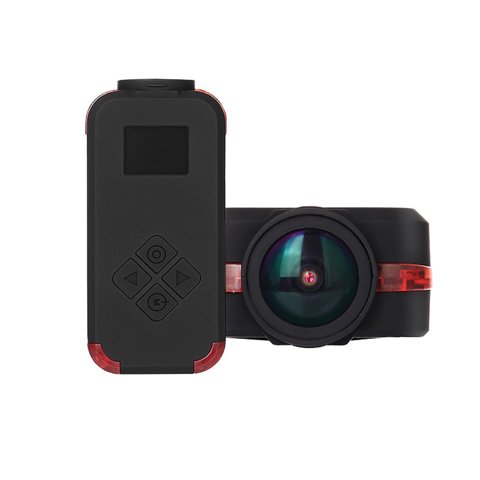
The Hawkeye Firefly Q6 is a compact 4K action camera built around a Novatek 96660 chipset with a Sony IMX078 sensor, marketed heavily toward airsoft players and FPV racers who want a small, mountable camera without a bulky housing. Here’s how it holds up for that specific use case.
Key Specs
- Video: 4K/24fps, 2.5K/30fps, 1080P/60fps or 30fps, 720P/120fps, VGA/30fps
- Photo: Up to 16M, 8M, or 5M resolution
- Sensor: Sony 12-megapixel CMOS, IMX078 back-illumination
- Display: 0.7-inch OLED
- Lens: 120° wide angle with gyro image stabilization
- Battery: 700mAh removable, roughly 50 minutes recording, 1.5-hour charge
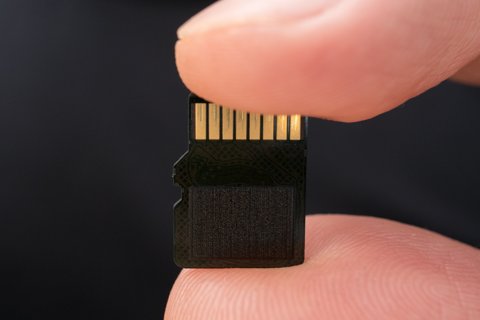
- Storage: TF card, Class 10 or above, up to 32GB
- Extras: HDMI output, ISO options (Auto, 100, 400, 1000)
- Price: Around $70
- Compatibility: Fits standard airsoft rail and helmet/vest mounts; TF/microSD cards up to 32GB, Class 10 or higher
Built for Airsoft, Not Just FPV
While Hawkeye’s Firefly line generally targets the FPV community, the Q6 in particular is heavily marketed toward airsoft players wanting a rail-mountable camera to capture gameplay footage. Its compact size and rail-compatible mounting hardware make it easy to attach to a replica weapon or headgear without adding much bulk, which matters considerably during fast-paced gameplay.
4K at 24fps: A Cinematic Trade-off
The Q6’s 4K mode caps at 24fps rather than 30fps, which gives footage a slightly more cinematic look at the cost of being less smooth for genuinely fast motion. For airsoft gameplay specifically, dropping to 1080P/60fps often captures fast movement more clearly than staying in 4K/24fps, so it’s worth testing both modes before committing to one for an entire session.
I mounted a Q6 on a rail for an airsoft session specifically to test the 120-degree lens’s coverage, and the wide field of view captured teammates in frame during close-quarters engagements noticeably better than a narrower lens would have, without needing constant repositioning.
Per Derek M., who is an Airsoft Team Captain and G2 reviewer, “A compact rail-mounted camera like the Q6 captures the kind of close-quarters footage that a bulkier action camera setup just can’t manage without getting in the way during actual gameplay.”
Battery Life: Short Sessions Only
At roughly 50 minutes of recording per charge, the Q6’s battery life is genuinely limiting for anything beyond a short session. Carrying multiple charged spare batteries is essentially mandatory for a full day of airsoft games or FPV flying, since the 1.5-hour charge time doesn’t allow quick top-offs between rounds.
The 0.7-Inch OLED Display
The small OLED display is genuinely useful for confirming the camera is recording and checking basic status at a glance, but it’s far too small for meaningful framing or playback review. Plan on reviewing footage on a computer or via HDMI output rather than the camera’s own screen.
ISO Control for Indoor and Low-Light Venues
Manual ISO options (100, 400, 1000, or Auto) give more control over exposure in mixed lighting conditions than a fully automatic-only camera, which matters for airsoft venues that mix bright outdoor areas with dim indoor structures. Bumping ISO manually in darker sections avoids the auto mode occasionally lagging behind rapid lighting changes.
Card Requirements
The Q6 supports only up to 32GB, noticeably more limited than newer action cameras supporting 128GB or beyond. Class 10 or higher is required to keep up with the 4K bitrate without dropped frames, and given the 32GB ceiling, plan on transferring footage more frequently than you would with a higher-capacity-supporting camera.
Frequently Asked Questions
What’s the largest SD card the Q6 supports?
Up to 32GB, Class 10 or above — noticeably more limited than newer cameras supporting 128GB or higher.
How long does the battery actually last?
Roughly 50 minutes of recording — carrying multiple charged spares is essentially mandatory for a full day of use.
Is 4K/24fps or 1080P/60fps better for fast gameplay?
1080P/60fps often captures fast motion more clearly; 4K/24fps gives a more cinematic look at the cost of smoothness.
Can I review footage on the camera’s own screen?
Not meaningfully — the 0.7-inch OLED is fine for confirming recording status but too small for real framing or playback review.
Does manual ISO matter for indoor airsoft venues?
Yes, manually bumping ISO in darker indoor sections avoids auto exposure lagging behind rapid lighting changes.
HDMI Output for Direct Review
The built-in HDMI output lets you connect the Q6 directly to a TV or monitor after a game, which is a genuinely convenient way to review a full session’s footage with a group rather than passing around a phone or laptop screen. This is a nice bonus for team debriefs after an airsoft match, letting everyone see the same footage at once for after-action discussion.
Who the Q6 Suits Best
The Q6 is a strong pick specifically for airsoft players and FPV pilots who value its compact, rail-mountable form factor over raw spec-sheet superiority. Buyers wanting all-day battery life or high-capacity card support in a single package should look toward larger, more current-generation action cameras instead.
Mounting Options Beyond Rails
Beyond rail mounting, the Q6’s compact size also suits helmet or vest mounting for airsoft players who prefer a wider vantage point over a strictly weapon-mounted view. Testing both mounting positions before committing to one for a full game day helps determine which framing style actually captures the footage you’re after for your specific playstyle.
Troubleshooting Setup, Pairing, and Recording Issues
Most Q6 problems trace back to the memory card, the battery, or a missed setup step rather than a hardware fault. Work through these checks before assuming a unit is defective.
- Camera won’t power on: fully charge the removable 700mAh cell for the full 1.5 hours first, since a deeply drained battery can look like a dead camera
- Card not recognized or recording stops immediately: reformat the card in-camera rather than on a computer, and confirm it is Class 10 or higher and 32GB or smaller
- No image on an HDMI-connected screen: check that the TV or monitor input is set correctly and that the HDMI cable is fully seated at both ends, since a partial connection often shows a blank screen rather than an error
- Footage looks choppy in 4K: switch to 1080P/60fps for fast-motion scenes, since the Q6’s 4K mode is capped at 24fps
If the on-screen menu becomes unresponsive, use the manual reset: remove the battery for about 10 seconds, reinsert it, and power back on. This clears a hung menu state without needing any companion app or software, which matters since the Q6 relies on physical buttons rather than a touchscreen for every setting.
Conclusion
The Hawkeye Firefly Q6 earns its niche appeal through a genuinely compact, rail-mountable design that larger action cameras can’t match for close-quarters airsoft or FPV use. The short battery life and modest 32GB card ceiling are real limitations worth planning around with spare batteries and frequent footage transfers, but for its specific intended use case, it delivers exactly what it promises.
Ryan is a Computer Science graduate with over 20 years of hands-on experience with PC hardware, software, and consumer electronics, including testing compact rail-mounted action cameras for airsoft use. He writes at softwaredriverdownload.com.