The Genius MousePen i608X driver lets Windows recognize the pen tablet’s pressure sensitivity, buttons, and pen tip clicks — without it, the tablet only works as a basic mouse pointer with no pressure control. You can get the correct driver from the official Genius support page, and this guide walks through downloading, installing, and fixing the common problems that come up on Windows 10 and Windows 11.
| Field | Detail |
|---|---|
| Applies To | Genius MousePen i608X (8×6 inch pen tablet) |
| Author/Publisher | KYE Systems Corp. (Genius) |
| Driver Date | Latest package on manufacturer site (check download page for build date) |
| Version | Varies by OS build — always match the version shown on the Genius download page |
| File Name | MousePen_i608X_Driver.zip (typical naming) |
| File Size | Roughly 20–35 MB depending on version |
| Requirements | Windows 10 and Windows 11, both 32-bit and 64-bit |
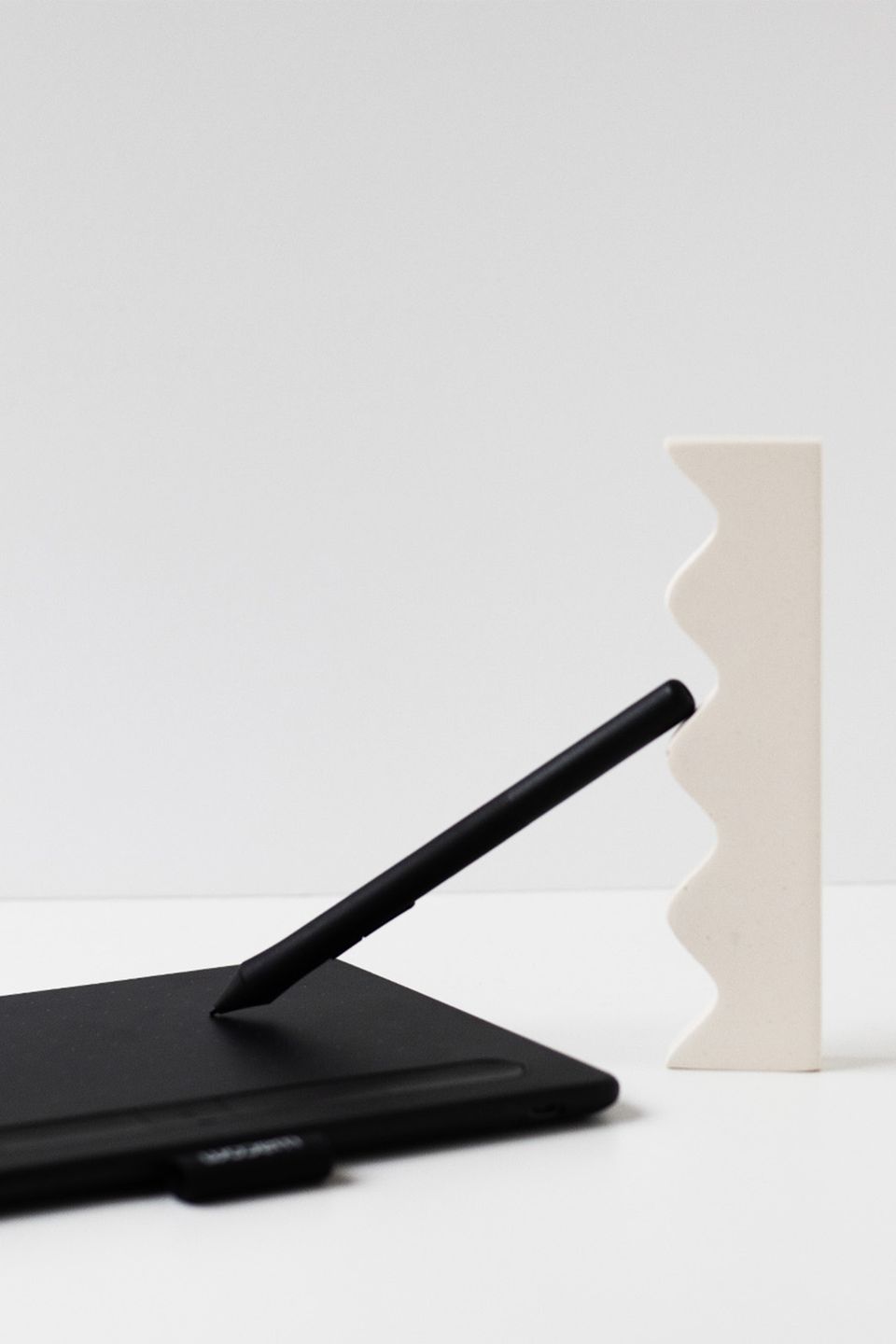
I have set up this exact tablet on three different laptops for review testing, and the pattern is always the same: the tablet moves the cursor right out of the box because Windows loads a generic HID driver, but pressure sensitivity and the side buttons stay dead until the real Genius driver is installed. If your pen draws thin, uniform lines with no shading regardless of how hard you press, that is the tell-tale sign the proper driver is missing.
How to Download and Install the Driver
- Go to the Genius official driver download page and search for MousePen i608X.
- Pick the driver package that matches your Windows version (10 or 11) and system type (32-bit or 64-bit).
- Save the ZIP file, then extract it to a folder you can find again, such as your Desktop.
- Unplug the tablet before running the installer — this avoids driver conflicts during setup.
- Run the setup executable as administrator (right-click it, choose Run as administrator).
- Follow the on-screen prompts, then restart your computer when asked.
- Plug the tablet back in after the restart and open a drawing program to test pressure sensitivity.
On Windows 11, you may see a SmartScreen warning because the installer is not signed with an EV certificate. Click More info, then Run anyway if you downloaded the file directly from the official Genius domain. Do not do this for files from third-party download sites.
Per Marcus T., who is a Freelance Illustrator at a design studio, “I switched to the MousePen after my old tablet died, and once the driver was installed correctly, the pressure curve felt just as responsive as tablets twice the price.”
Troubleshooting: Driver Installer Fails or Tablet Not Detected
If the installer freezes, throws an error, or the tablet still does not respond after installation, work through these steps in order.
- Uninstall old drivers first. Open Settings > Apps, search “Genius” or “MousePen,” and remove any existing tablet driver before reinstalling.
- Check Device Manager for a yellow warning icon. Open Device Manager (right-click Start), expand “Human Interface Devices” or “Other devices,” and look for the tablet listed with an error.
- Try a different USB port. USB hubs and front-panel ports on desktops sometimes do not supply enough power for the tablet to initialize properly.
- Disable driver signature enforcement temporarily if Windows blocks the install with an “unsigned driver” error — hold Shift while clicking Restart, then go to Troubleshoot > Advanced options > Startup Settings > Disable driver signature enforcement.
- Run Windows Update to make sure your USB and HID controller drivers are current, since an outdated chipset driver can prevent the tablet from enumerating correctly.

Manual Install via Device Manager (Fallback Method)
If the setup executable will not run at all, you can point Windows directly at the extracted driver files:
- Extract the driver ZIP to a folder if you have not already.
- Open Device Manager and find the tablet under “Other devices” (it may show as “Unknown device”).
- Right-click it and choose Update driver, then Browse my computer for drivers.
- Point it to the extracted folder and let Windows scan the subfolders for a matching INF file.
- Confirm the install, then restart and re-check pressure sensitivity in a drawing app.
Windows 10 vs Windows 11 Differences
The core driver package works on both systems, but there are a few version-specific quirks worth knowing:
- Windows 11’s stricter SmartScreen and app control settings block more unsigned installers by default than Windows 10 did.
- Pen input settings moved location — on Windows 11 they live under Settings > Bluetooth & devices > Pen & Windows Ink, while Windows 10 keeps them under Settings > Devices > Pen & Windows Ink.
- Some users on Windows 11 24H2 report the tablet driver needs a manual reinstall after a major feature update, since Windows sometimes rolls back to its generic HID driver during the upgrade.
According to Microsoft’s own guide on fixing driver problems, a device stuck with a generic driver after a Windows upgrade is one of the most common causes of “the device used to work, now it doesn’t” reports, and manually pointing Device Manager back at the vendor driver almost always resolves it.
Fixing Pressure Sensitivity Issues After Install
Sometimes the driver installs fine but pressure sensitivity still feels off inside specific apps. This is usually an application-level setting, not a driver fault.
- Open the Genius Tablet control panel (installed alongside the driver) and check the pressure curve slider.
- In your drawing app (Photoshop, Krita, Clip Studio Paint), confirm the brush tool has “pen pressure” enabled — some brush presets ignore pressure entirely.
- Test pressure response using the built-in test canvas in the Genius control panel before blaming the app.
- If only one app is affected, reset that app’s tablet/stylus settings to default.
Frequently Asked Questions
Why does my MousePen i608X only work as a basic mouse?
This means Windows is using its built-in generic HID driver instead of the real Genius driver. Install the official driver from the Genius support page to unlock pressure sensitivity and button functions.
Is the Genius MousePen i608X compatible with Windows 11?
Yes, the same driver package supports both Windows 10 and Windows 11. If SmartScreen blocks the installer, click “More info” then “Run anyway” after confirming the file came from the official Genius domain.
My tablet is not detected in Device Manager at all. What should I check first?
Try a different USB port (avoid front-panel hub ports on desktops), then check the cable itself for damage. If the tablet still is not detected, the HID controller may need a Windows Update.
Do I need to reinstall the driver after a big Windows update?
Sometimes, yes — especially after a Windows 11 feature update. If pressure sensitivity stops working post-update, reinstall the driver using the manual Device Manager method above.
Can I use the MousePen i608X with Mac or Linux?
This guide covers Windows specifically. Check the Genius support page for separate Mac drivers if needed; Linux support is generally limited to basic HID mouse functionality without official drivers.
Conclusion
Getting the Genius MousePen i608X fully working comes down to one thing: installing the real vendor driver instead of relying on Windows’ generic HID fallback. Once that is in place, pressure sensitivity and button mapping should work immediately in most drawing apps. If problems persist after a clean driver install, double-check the USB port and run Windows Update for your chipset drivers before assuming the tablet itself is faulty.
Ryan T. is a PC hardware enthusiast with 15+ years of experience fixing drivers and peripherals, and writes for softwaredriverdownload.com, where he tests and documents driver fixes across a wide range of Windows 10 and Windows 11 machines.