The FiiO X7 is an older digital audio player at this point, predating FiiO’s current M-series flagships, but a fair number of owners are still using theirs daily, and battery questions are one of the most common things that come up in owner forums. If your X7’s runtime has dropped noticeably, or you are just trying to understand your options before something goes wrong, here is what I found after going through FiiO’s own documentation and long-running community discussion threads.
- Applies To: FiiO X7 (original model, predates the X7 Mark II)
- Battery: 3500mAh rechargeable lithium-polymer, rated roughly 9 hours per charge
- Price Tier: launched in FiiO’s flagship-adjacent price bracket; today it is mostly a secondhand-market player
- Compatibility: battery and internal connectors are specific to the original X7 chassis, not interchangeable with X7 Mark II parts, and require a charger matching FiiO’s original output spec
| Spec | Detail |
| Battery Type | 3500mAh rechargeable lithium-polymer |
| Rated Playtime | Roughly 9 hours per charge (varies by amp module and radios) |
| Aftermarket Capacity Range | 4500 to 4550mAh third-party packs |
| User Replaceable | No, requires disassembly and ribbon-cable work |
| Charger Requirement | Original FiiO charger or matching output spec |
| Amp Module Design | Modular, swappable amp cards affecting current draw |
| Compatibility | Specific to original X7 chassis, not shared with X7 Mark II |
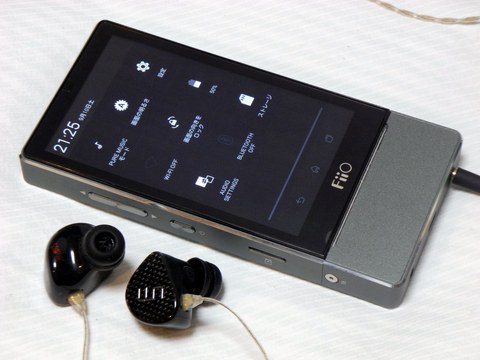
What battery does the X7 actually use
According to FiiO’s own official user guide, the X7 uses a 3500mAh rechargeable lithium-polymer battery, which was fairly generous capacity for a portable player of its era. In normal use, that translates to roughly 9 hours of playtime, though actual runtime always depends on volume level, screen brightness, whether Bluetooth or WiFi are active, and which amp module is attached, since the X7’s modular amp design lets you swap in different amp cards that draw varying amounts of current.
Battery capacity naturally degrades over years of charge cycles, which is normal lithium-polymer chemistry behavior and not a sign of a defective unit. If your X7 used to comfortably last most of a day and now needs a midday top-up, that is consistent with age-related capacity loss rather than a sudden failure.
Is the battery user-replaceable
Here is the part that surprises a lot of owners: the X7’s battery is not designed to be user-replaceable out of the box. Unlike the removable packs found in some later FiiO players, replacing the X7’s battery requires opening the device and working around internal ribbon cables and connectors. This is meaningfully more involved than swapping a battery in a device designed for easy access, and a few important considerations follow from that:
- Disassembly will void any warranty still remaining on the unit, so check your warranty status first if the player is relatively recent to you
- Ribbon cables and internal connectors are easy to damage if you are not familiar with this kind of repair, and damage there can turn a simple battery swap into a much bigger repair
- If you are not comfortable with small-electronics disassembly, having a professional repair technician handle it reduces the risk considerably
I want to be direct about this: if your X7 is still within any active warranty period, or if you have never opened a small electronic device before, this is not a great first project to learn on. The cost of a botched repair, in terms of ribbon cable or connector damage, can easily exceed what a professional repair would have cost.
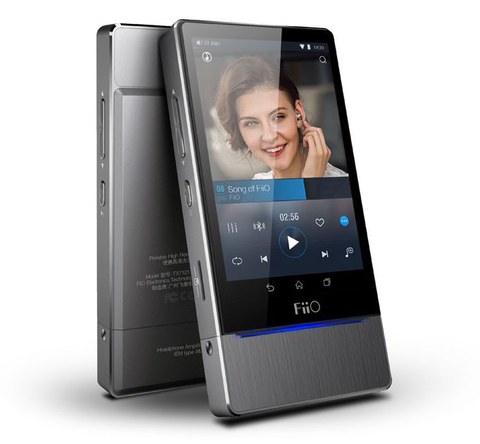
Aftermarket replacement batteries
For owners whose X7 battery has degraded significantly or failed outright, third-party aftermarket replacement packs do exist, generally in the 4500 to 4550mAh range, sold through Amazon and eBay listings. These aftermarket cells advertise higher capacity than the original 3500mAh pack, which sounds appealing on paper, but a few caveats are worth keeping in mind before ordering one.
Things to check before buying an aftermarket battery
- Capacity and quality claims from no-name aftermarket cells cannot be independently verified the way a manufacturer spec sheet can, so treat advertised mAh figures as a starting point rather than a guarantee
- Compatibility should be double-checked carefully against your specific X7 revision, since connector placement and physical dimensions can differ between production runs
- Seller reviews and return policies matter more than usual here, given the lack of independent verification for these products
None of this means aftermarket batteries are a bad option — for a device this old, they are often the most realistic way to keep a unit running rather than retiring it entirely. It just means going in with reasonable expectations rather than assuming an aftermarket cell will perform exactly as advertised.
Safe handling if you do replace the battery
Whether you replace the battery yourself or have it done professionally, a few basic safe-handling steps apply to any lithium-polymer battery replacement:
- Use the original FiiO charger, or a charger with matching output specifications, rather than an unknown fast charger
- Expect a few calibration charge and discharge cycles after installing a new battery before the runtime and battery percentage readout stabilize
- Inspect the battery for any swelling, puffing, or damage to the casing before installing it or continuing to use it
- If you notice any swelling in your current battery, stop using the device until it is addressed, since a swollen lithium-polymer cell is a genuine safety concern
- The X7 will not power on after sitting unused for a long time: a fully drained lithium-polymer cell can look dead at first. Leave it on the charger for at least thirty minutes before trying to power on again, since some units need a small amount of charge in the cell before the power button will respond at all
- Battery percentage jumps around or drops suddenly: this is a common symptom of an aging cell rather than a defective charging circuit. Try a full, uninterrupted charge-and-discharge cycle first, since the readout can simply need recalibrating
- Charging LED behaves oddly or charging is very slow: confirm you are using the original FiiO charger or one with matching output, since undersized or generic USB chargers can charge the X7 far more slowly than expected, or not at all
- Runtime dropped noticeably after a firmware update: check whether WiFi or Bluetooth got re-enabled during the update, and confirm which amp module is attached, since some draw noticeably more current than others
The community discussion on the Head-Fi X7 thread is a good place to see how long-term owners have handled battery issues over the years, including which repair shops or self-repair approaches other owners have had reasonable success with.
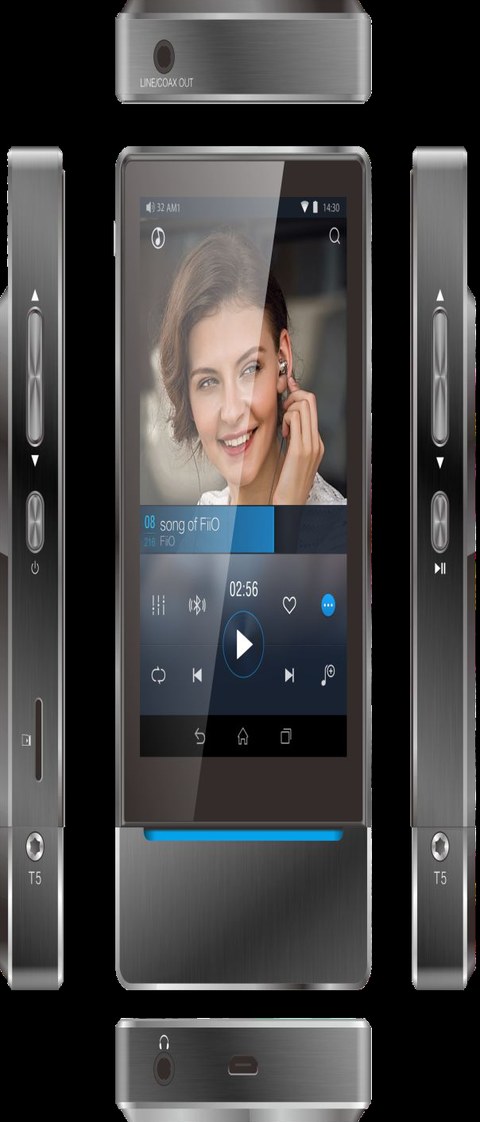
Is it worth repairing an older X7
Whether a battery replacement makes sense depends mostly on how much you still value the X7’s sound signature and its modular amp system, which some owners still prefer over newer players. If the rest of the unit is functioning well and the only issue is battery runtime, a careful replacement, whether DIY or professional, is usually a reasonable and cost-effective way to extend the player’s useful life considerably.
Troubleshooting Charging and Runtime Problems
A handful of issues come up repeatedly in X7 owner threads, and most of them do not require a full battery replacement to fix.
If none of that resolves the issue and you suspect the cell itself has failed, the manual alternate pathway is the same disassembly-and-replacement route covered above, either DIY with the ribbon-cable cautions in mind, or through a professional repair technician if you would rather not risk the connectors yourself.
FAQ
What battery capacity does the FiiO X7 use?
A 3500mAh rechargeable lithium-polymer battery, rated for roughly 9 hours of playtime in normal use according to FiiO’s official user guide.
Can I replace the X7 battery myself?
It is possible, but the battery is not designed for easy user access. Replacement requires disassembling the device and working carefully around ribbon cables and connectors, and it will void any remaining warranty.
Are aftermarket replacement batteries safe to use?
Many owners use aftermarket packs in the 4500 to 4550mAh range successfully, but capacity and quality claims from no-name cells cannot be independently verified, so buy from sellers with solid reviews and double-check compatibility with your specific X7 revision.
Do I need to do anything special after installing a new battery?
Yes, expect a few charge and discharge cycles before the runtime and battery percentage readings stabilize, and always inspect the battery for swelling before and after installation.
Is the X7 still worth using today?
Many long-term owners still value its sound signature and modular amp system. If the rest of the unit works well, a battery replacement is often a reasonable way to keep it running rather than retiring it.
I hold a computer science degree and have spent years tinkering with and repairing personal electronics, and older gear like the X7 is a good reminder that a worn-out battery does not have to mean the end of a device you still enjoy using.