Open-back headphones have a reputation for being expensive, delicate, and generally aimed at people who already own a dedicated headphone amplifier. The FiiO Jade Audio JT3 sets out to break that stereotype by offering an open-back design at around seventy dollars, aimed squarely at casual listeners who are curious about the format rather than committed audiophiles. I spent time with it expecting the usual budget open-back compromises — thin bass, fragile build, awkward comfort — and came away with a more nuanced impression than that.

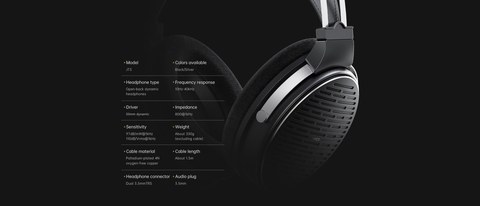
| Model | FiiO Jade Audio JT3 open-back headphone |
| Driver | 50mm dynamic driver, 80 ohm impedance |
| Design | Open-back, velvet-style earpads with memory foam |
| Price Tier | Budget, around $70 USD |
| Compatibility | Standard 3.5mm plug, works with phones and laptops directly, benefits from an external headphone amp |
What Open-Back Actually Means for Sound
A closed-back headphone seals the driver inside a solid earcup, which traps bass and blocks outside noise but can make the soundstage feel narrow and boxed-in. An open-back design instead lets air, and sound, pass freely through vented earcups. This trades away noise isolation entirely — people nearby will hear what you are listening to, and you will hear them — in exchange for a wider, more spacious presentation that many listeners describe as sounding closer to speakers in a room than headphones clamped to your head. The JT3 leans into that open, airy character rather than trying to disguise it.
Driver and Core Specifications
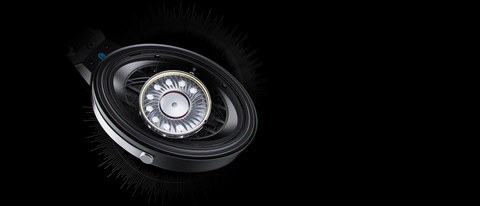
Inside each earcup sits a 50mm dynamic driver rated at 80 ohm impedance. That impedance figure is worth pausing on: 80 ohm is on the higher side for a headphone marketed at casual listeners, and it generally means the JT3 wants a bit more voltage to reach its best performance than headphones rated at, say, 16 or 32 ohm. In practice it still plays at a usable volume straight from a phone or laptop, but stepping up to even a modest external headphone amp noticeably improves dynamics and control, which is worth knowing before you assume a phone alone tells the full story.
Tuning: Warmer and Darker Than You Might Expect
Where the JT3 distinguishes itself from a lot of open-back competition is its tuning philosophy. Instead of chasing the bright, forward, detail-first sound many open-back designs favor, FiiO tuned the JT3 to be warmer and noticeably bassier than typical for the format, with a thicker overall tonal balance. This makes it considerably more forgiving of lower-quality source material, whether that is a heavily compressed streaming file or an older recording with rough mastering, since the warmth smooths over some of the harshness that a brighter-tuned headphone would expose. For a listener’s first open-back headphone, that forgiveness matters more than it might sound on paper, because it means the JT3 stays pleasant across a much wider range of recording quality than a reference-tuned pair would.
Reviewers at The Headphoneer and Pragmatic Audio both dug into this tuning decision in detail, and it is worth reading a second opinion since tuning preference is inherently subjective.
How the JT3 Compares to Its Stablemate, the JT7
FiiO also sells the JT7 under the same Jade Audio line, and the two get confused often enough that it is worth being explicit about the difference. The JT7 uses a planar magnetic driver rather than a dynamic one, costs closer to $119, and is tuned tighter, cleaner, and noticeably brighter than the JT3. Planar magnetic drivers generally offer faster transient response and lower distortion at the cost of needing more power to drive properly. If you want a warmer, more relaxed, easier-going listen and a lower price, the JT3 is the pick; if you want a crisper, more resolving sound and do not mind paying more or driving a harder-to-power headphone, the JT7 is the one to look at instead. They are genuinely different products aimed at different listener preferences, not simply a good/better tier of the same tuning.
Comfort for Long Listening Sessions

Open-back headphones tend to live on your desk rather than in a bag, since the open design makes them unsuitable for commuting or shared spaces. The JT3’s earcups use a mix of plastic and metal in the structural areas, which keeps the overall weight reasonable while avoiding the flimsy feel some all-plastic budget headphones have. The earpads themselves use a velvet-style material with memory foam padding underneath, which breathes better over long sessions than the pleather pads found on many closed-back designs, and it avoids the sweaty-ear feeling that can build up during multi-hour listening at a desk.
Who the JT3 Is Actually For
This is a headphone for someone with a quiet home office or bedroom setup who wants to experience what an open-back soundstage actually sounds like, without committing hundreds of dollars to find out they prefer a different tuning. It is a poor match for anyone needing headphones for public transit, open-plan offices, or noisy households, since the open design leaks sound both ways. Judged as an entry point into the format rather than as a giant-killer against reference-tier open-back headphones costing several times as much, it does its job well.
Troubleshooting Common JT3 Issues
Most problems with an open-back headphone like the JT3 trace back to power or fit rather than a defective unit. Here is what to check first:
- Sound feels quiet or lifeless off a phone or laptop: the 80 ohm impedance means the JT3 wants more voltage than most phones can push comfortably at high volume. Try a dedicated USB dongle DAC or a small desktop amp before assuming anything is wrong with the headphone itself.
- Bass sounds thinner than expected: reseat the earpads fully and check that the velvet pad ring is sitting flush against your head, since even a small gap changes bass response noticeably on an open-back design.
- One side is quieter or cuts out: check the 3.5mm plug and cable connection at the headphone side first, since a loose detachable cable connection is a more common cause than a driver fault.
- No amp available and volume still feels low: as an alternate pathway, most phones and laptops can still drive the JT3 to a usable, if not ideal, volume directly from the headphone jack or a basic USB-C to 3.5mm dongle — you do not strictly need a dedicated amplifier to use it day to day.
FAQ
Do I need an amplifier for the FiiO Jade Audio JT3?
Not strictly, since it will play at usable volumes from a phone or laptop, but the 80 ohm rating means a modest external amp noticeably improves dynamics and control.
Is the JT3 good for gaming or movies?
The wide open-back soundstage can help with positional audio in games, though the leaking sound and lack of a microphone make it better suited to solo sessions than shared or online voice-chat use.
What is the main difference between the JT3 and the JT7?
The JT3 uses a dynamic driver with a warmer, bassier tuning at a lower price, while the JT7 uses a pricier planar magnetic driver tuned tighter, cleaner, and brighter.
Can I use the JT3 in an open-plan office?
It is not ideal, since open-back headphones let sound escape the earcups, meaning people nearby will hear your audio at a noticeable volume.
What color options does the JT3 come in?
It is offered in black and silver colorways, letting you match it to a broader desk or gear setup.
Between reviewing software drivers and testing gadgets for this site for years now, headphones remain my favorite category to dig into, mostly because the differences between models are so much more subjective than a benchmark score.