Sub-$50 in-ear monitors have quietly become the most competitive segment in personal audio. Two names keep coming up whenever budget-IEM shootouts get discussed: the DUNU Titan X and the Moondrop Chu 2. Both promise “flagship-adjacent” tuning at pocket-change prices, and both come from brands with long track records in dynamic-driver design. I spent a few weeks swapping between the two on the same source, same tracks, and same eartips to see how they actually compare once the marketing copy is set aside.
Build and Design
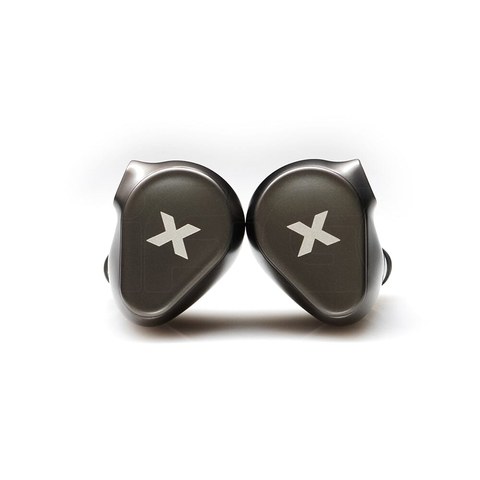
The Titan X leans into a metallic, high-density alloy shell with a chrome-plated finish and a bold X faceplate — it feels dense in the hand for a $35 IEM, at 13 grams per side. The Chu 2 keeps Moondrop’s simpler resin-and-metal-faceplate approach, lighter and a touch less flashy, but comfortable for long sessions thanks to a shallower shell profile. Neither is going to win an industrial-design award, but both fit securely and disappear in the ear after the first hour.
- Titan X: high-density alloy shell, 0.78mm 2-pin detachable cable, available in 3.5mm or a Type-C DSP version
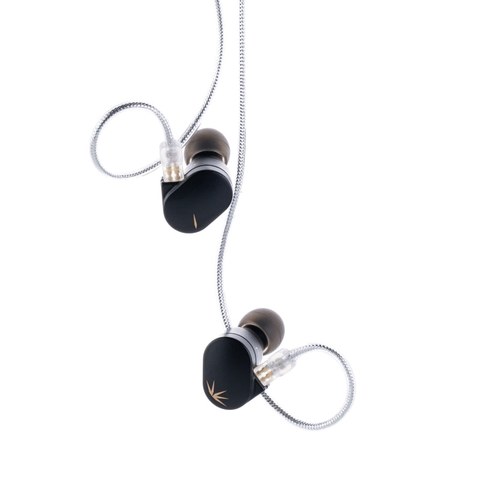
- Chu 2: lightweight composite shell, standard 0.78mm 2-pin cable, no DSP variant needed since the driver is already well-tuned out of the box
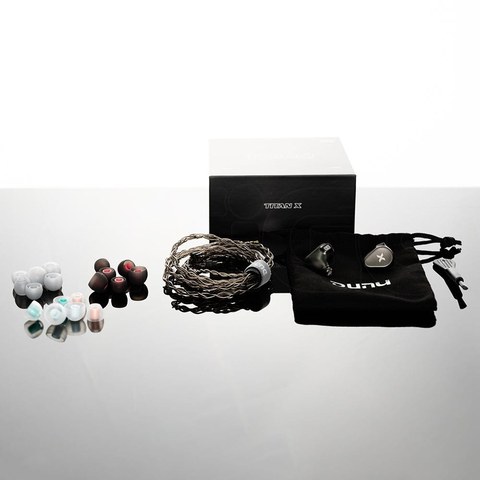
- Both ship with a reasonable selection of eartips and a soft carry pouch
Specs Side by Side
Here’s the full spec sheet laid out for direct comparison. The DUNU Titan X product page and Moondrop’s own listings were used to cross-check these figures.
| Spec | DUNU Titan X | Moondrop Chu 2 |
|---|---|---|
| Driver | 10mm DLC diaphragm, dual-magnetic circuit dynamic driver | 10mm dynamic driver, successor tuning to the original Chu |
| Frequency Response | 5Hz – 40kHz | Approx 20Hz – 20kHz (extended per Moondrop’s published curve) |
| Impedance | 16Ω | ~28Ω (varies slightly by source) |
| Sensitivity | 105dB | ~118dB/Vrms (easy to drive off a phone) |
| THD | <0.3% | Low, not officially published to the same decimal |
| Shell Weight | 13g per side | Noticeably lighter composite build |
| Cable | 4-core braided silver-plated single-crystal OFC, 0.78mm 2-pin | Standard detachable 0.78mm 2-pin cable |
| Termination | 3.5mm, or Type-C with onboard DSP | 3.5mm |
| Price | $35.99 | ~$20 |
Sound Tuning
This is where the two diverge the most. The Titan X pushes a slightly more energetic signature — the dual-magnetic circuit gives the bass a firmer, punchier edge, and the top end reaches noticeably higher without turning harsh, which lines up with that claimed 40kHz extension. It’s a fun, slightly “gamer-adjacent” tuning that suits EDM, hip-hop, and modern pop.
The Chu 2 takes the more conservative route. Moondrop tuned it closer to a mild Harman-style curve, so vocals sit forward and natural, the bass is present but doesn’t dominate, and the overall balance feels safer for long listening sessions across genres. If you want an IEM that never gets fatiguing, the Chu 2 wins. If you want something with more visceral bass slam and sparkle, the Titan X pulls ahead.
Driving Requirements and Source Pairing
Neither of these needs an amplifier to sound good, which matters at this price point since most buyers are running them straight off a phone or laptop. The Titan X’s 16Ω impedance and 105dB sensitivity mean it reaches comfortable listening volume with plenty of headroom left, and its dual-magnetic driver stays composed even when pushed harder on bass-heavy tracks. The Chu 2 is arguably even easier to drive given its higher sensitivity rating, though its slightly higher impedance means volume-matching between the two takes a bit of attention if you’re doing back-to-back A/B comparisons like I was.
Where source quality does matter is resolving power upstream. Feed either of these a compressed, low-bitrate stream and you’ll hear it — both drivers are transparent enough to reveal weaknesses further up the chain, which is honestly a good sign of driver quality at this price. Pairing either with a modest USB-C dongle DAC instead of a phone’s built-in output brings out a bit more separation and a slightly blacker background on both, though the improvement is more noticeable on the Titan X given its extended treble.
Isolation and Everyday Use
Passive noise isolation is solid on both, thanks to snug-fitting silicone tips and a shallow insertion depth that still seals well. The Titan X’s denser alloy shell blocks a touch more outside noise simply due to material mass, which is useful on a commute or in a noisy office. The Chu 2’s lighter shell trades a small amount of isolation for long-session comfort — if you’re wearing these for six-plus hour stretches, the reduced clamping feel is noticeable and appreciated.
Microphonics (cable noise transmitted up to the ear when the cable brushes against clothing) are well controlled on both thanks to the detachable 2-pin design and reasonably soft cable jacketing, though neither ships with a chin slider by default, so expect to knot the cable yourself if that bothers you during workouts or walks.
Value Verdict
At under $50 combined, both of these are easy recommendations depending on what you’re after:
- Pick the Titan X if you want punchier bass, extended treble air, and don’t mind paying the extra $15
- Pick the Chu 2 if you want the safest, most fatigue-free tuning and the lowest possible entry price
- Either one is a legitimate upgrade over stock earbuds or budget true-wireless sound quality
Neither IEM is going to replace a $300 hybrid set, but for a first “real” pair of wired IEMs, or a budget backup for commuting, both are worth the money. I’d lean Titan X if bass texture matters most to you, and Chu 2 if all-day comfort and tonal safety matter more. You can read more detailed measurements and impressions from Head-Fi’s community reviews if you want a second opinion before buying.
One more practical point worth mentioning: accessory ecosystems. Because both use a standard 0.78mm 2-pin connector, aftermarket cable and eartip options work across either set, so if you end up wanting a different cable material or a different eartip shape for a better seal, you’re not locked into whatever ships in the box. That’s a small thing, but at this price it’s nice not to have to choose a proprietary connector standard that limits your options down the line.
I run comparisons like this by living with both IEMs for at least two weeks on the same gear before writing anything down — it’s the only way to catch tuning differences that don’t show up in a five-minute demo.