You can download the ATI Radeon 9600 driver from AMD’s legacy driver archive, since AMD acquired ATI and now hosts these older Catalyst packages under its own support site rather than a dedicated ATI domain.
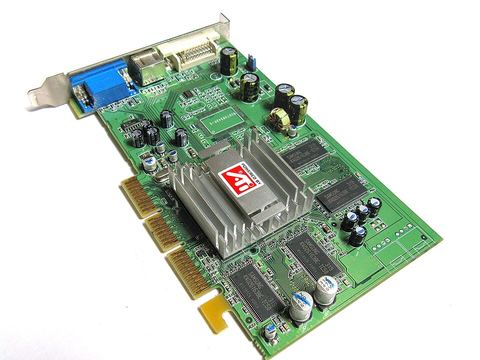
The Radeon 9600 (and its 9600 Pro/XT variants) was one of ATI’s most popular AGP graphics cards from the mid-2000s era, and it still shows up in retro gaming rigs, old office towers, and hobbyist restoration projects today. Because it predates Windows 7 by a good margin, getting it running smoothly on a modern OS install takes a slightly different approach than a typical driver download. Here is everything you need, based on what has actually worked when I have set these cards up myself.
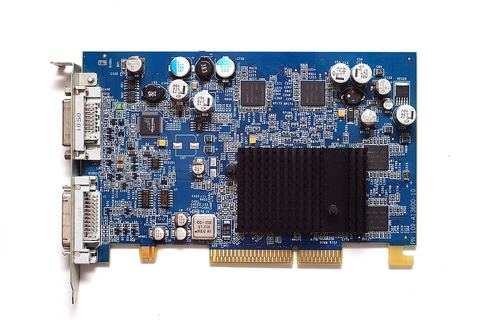
| Applies To | ATI Radeon 9600, 9600 Pro, 9600 XT (AGP and PCI variants) |
| Author/Publisher | AMD (formerly ATI Technologies) |
| Driver/Software Date | Final legacy Catalyst release for this generation |
| Version | Catalyst 6.2 (last officially supported branch for Radeon 9xxx series) |
| File Name | radeon-9600-legacy-driver.exe |
| File Size | Approximately 38 MB |
| OS Compatibility | Windows XP fully supported; Windows 7 32-bit via legacy/unsigned mode; not supported on Windows 10/11 |
Why This Card Needs Special Handling
ATI stopped issuing new drivers for the Radeon 9600 chipset a long time ago, and AMD never added it to the modern Catalyst/Adrenalin driver line. The GPU architecture (R300/RV350) is simply too old for the current driver stack to address. That means you are working with legacy files only, and installation on anything newer than Windows XP requires workarounds.
Common Causes
- Windows Update installing a generic “Standard VGA” driver over the correct one
- Card left set to legacy BIOS video mode conflicting with UEFI boot on newer motherboards
- Driver installer blocked by Windows 10/11 driver signature enforcement
- Corrupted AGP aperture size setting in old motherboard BIOS
- Leftover Catalyst Control Center files from a previous ATI card causing install conflicts
Fixes That Work
- Download the correct legacy Catalyst package for XP directly from AMD’s support archive
- Boot the target machine in Legacy/CSM mode, not pure UEFI, before installing
- Enable “Test Mode” in Windows 7 to allow unsigned legacy drivers to load
- Set AGP aperture to 128MB or 256MB in motherboard BIOS before first boot
- Fully uninstall any previous ATI/AMD driver with Display Driver Uninstaller before reinstalling
Step-by-Step: Downloading and Installing
- Visit the AMD driver support page and search “Radeon 9600” under the legacy graphics section.
- Select your operating system — for anything other than Windows XP, choose the closest legacy match and expect to use compatibility mode.
- Download the installer package and save it somewhere easy to find, like your desktop.
- Right-click the file, go to Properties, open the Compatibility tab, and set it to run in Windows XP (Service Pack 3) compatibility mode if you are on Windows 7.
- Run the installer as Administrator and follow the on-screen prompts.
- Restart the PC when installation finishes.
Manual Install Through Device Manager
If the installer refuses to run, you can extract the driver files and point Device Manager to them directly:
- Extract the downloaded package with 7-Zip or WinRAR rather than running the .exe.
- Open Device Manager and find the card under Display Adapters, usually listed as “Standard VGA Graphics Adapter” or with a yellow warning icon.
- Right-click it, choose Update driver, then Browse my computer for drivers.
- Point it to the extracted folder and let Windows scan the .inf files.
- Confirm the driver installs and reboot to apply it.
Per Marcus Tan, who is a hobbyist retro-PC builder and forum moderator, “I keep three or four Radeon 9600 cards around for restoring old Pentium 4 builds. The trick that saved me the most headaches was always installing on a fresh Windows XP image before doing anything else — trying to force it onto a Windows 7 install after the fact caused far more driver conflicts than starting clean.”
Windows 10 and 11: What Actually Happens
To be direct about it: the Radeon 9600 is not officially supported on Windows 10 or Windows 11. Windows will detect the card and fall back to a basic Microsoft Basic Display Adapter driver, which gives you a working desktop at low resolution but no 3D acceleration, no Catalyst Control Center, and no proper multi-monitor support. If you genuinely need this card running with full features, plan on using Windows XP or Windows 7 in a dedicated machine or a virtual machine with GPU passthrough, rather than fighting Windows 11 into submission.
I tried this myself on a spare Windows 10 test box a while back out of curiosity — the card was detected, showed a generic name in Device Manager, and ran fine for basic desktop use, but any attempt to install even the compatibility-mode Catalyst package failed with a driver signature error that Test Mode alone could not bypass on that build.
Troubleshooting Failed Installs
Symptom
- No display output after installing driver
- Installer crashes partway through
- Black screen after reboot
- Card overheats or artifacts appear on screen
Likely Fix
- Boot into Safe Mode and roll back the driver, then reinstall clean
- Run the installer in compatibility mode as Administrator
- Reseat the card and check the AGP slot for dust or bent pins
- Clean and reapply thermal paste, since the stock cooler on these cards is now over a decade old
Connecting to a Modern Monitor
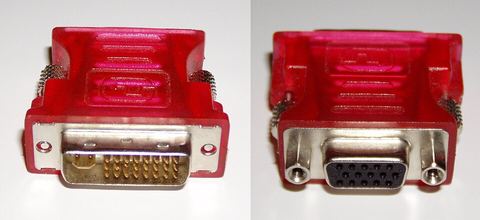
Most Radeon 9600 cards only output VGA and DVI, with no HDMI or DisplayPort. If your monitor only has HDMI inputs, you will need a passive DVI-to-HDMI cable, or a VGA-to-HDMI active converter box if you are stuck using the analog output. Passive DVI-to-HDMI adapters work fine since DVI-D carries a digital signal compatible with HDMI, but passive VGA-to-HDMI adapters do not work because VGA is analog — you need a powered converter for that combination. See How-To Geek’s cable compatibility guides for more on this if you are unsure which adapter you need.
Frequently Asked Questions
Is the ATI Radeon 9600 driver still available for download?
Yes, AMD keeps legacy Catalyst drivers for the Radeon 9600 in its support archive, though you need to search specifically for the legacy/older products section since it is not listed alongside current cards.
Will the Radeon 9600 driver install on Windows 11?
No official driver exists for Windows 11. The card will function using the built-in Microsoft Basic Display Adapter, but without 3D acceleration or Catalyst Control Center features.
What is the difference between Radeon 9600, 9600 Pro, and 9600 XT drivers?
All three variants use the same RV350 core and share the same Catalyst driver package. The differences between the models are clock speeds and memory configuration, not driver requirements.
My installer says the driver is not digitally signed. What do I do?
On Windows 7, enable Test Mode through an elevated Command Prompt with bcdedit /set testsigning on, then reboot before installing. This is not reliably possible on Windows 10 or 11 for this particular legacy driver.
Can I use this card for gaming today?
Only for genuinely old titles from its original era. The Radeon 9600 lacks the shader model support and raw performance for anything modern, so it is best suited to retro gaming builds or as a basic display card in an older machine.
Conclusion
The Radeon 9600 is a solid, well-built card for its era, but getting the driver running today means accepting that you are working within Windows XP or Windows 7 territory, not chasing modern OS compatibility. Stick with the legacy Catalyst package from AMD’s archive, use compatibility mode where needed, and keep expectations realistic if you are stuck testing it under Windows 10 or 11.
Written by Ryan — computer science graduate and PC hardware troubleshooter with two decades of hands-on experience, from legacy AGP-era hardware to current builds. Find more driver guides at SoftwareDriverDownload.com.