A Warm, Relaxed Budget IEM Built With HBB
What the dual dynamic driver design actually gets you at this price
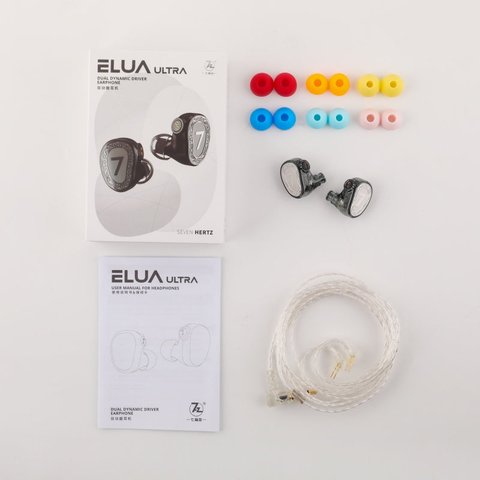
The 7Hz Elua Ultra is worth buying if you want a warm, relaxed sound that stays comfortable through long listening sessions, without the harsh treble spikes that show up in a lot of budget IEMs trying to sound “exciting.” It is a collaboration with the reviewer HBB, and it uses two dynamic drivers instead of one, splitting the workload between bass and treble instead of asking a single driver to cover the whole range.
I tested the Elua Ultra over about two weeks, switching between a phone, a portable DAC, and a desktop setup, across pop, EDM, and a fair amount of acoustic material to see how it handled quieter, more delicate recordings compared to bass-forward tracks.
| Spec | Detail |
| Driver Configuration | Dual dynamic driver (10mm bass, 8mm mid/treble) |
| Diaphragm | Three-layer LCP |
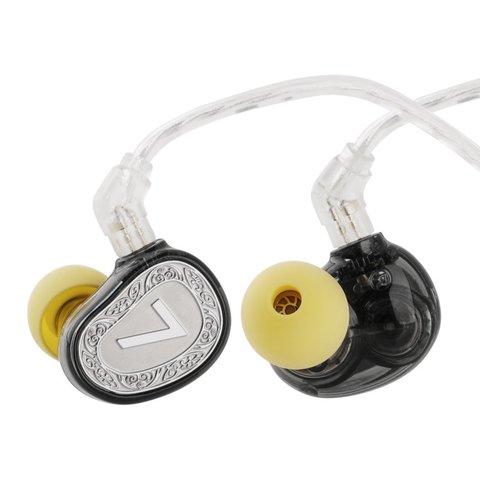
| Cable | 0.78mm two-pin detachable, OCC copper |
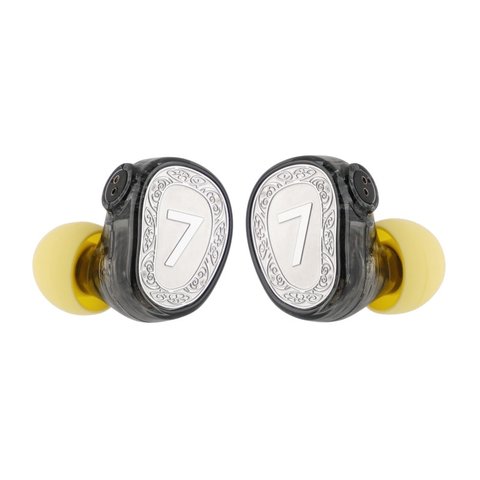
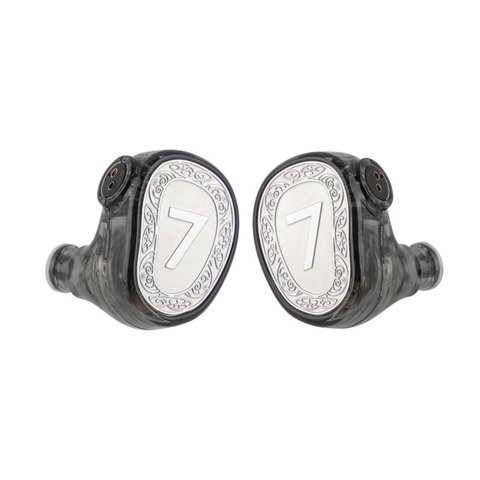
| Shell | Metal faceplate over resin body |
| Tuning | Warm, bass-forward with roughly 10dB sub-bass shelf |
| Amp Requirement | Easy to drive from a phone, no amp required |
| In the Box | Earpieces, detachable cable, multiple ear tip sizes |
Two Drivers, Two Jobs
A 10mm driver handles bass and lower mids, while an 8mm driver takes upper mids and treble. Both use a three-layer LCP diaphragm, which is known for being light, stiff, and quick to respond, keeping distortion low even at higher volumes.
Sub-Bass Shelf Without the Bloat
There is roughly a 10dB sub-bass boost, which sounds like a lot on paper, but the mid-bass has a slight dip that keeps the low end from bleeding into the vocals. The result is bass that hits hard on EDM and hip-hop without turning muddy on busier tracks.
Vocals Stay Forward Enough
Even with the bass emphasis, vocals do not get pushed back. The mid-bass dip creates enough space that mids sound reasonably open and resolved, which is the detail a lot of bass-forward IEMs get wrong.
Wide, Stadium-Style Soundstage
The stage is noticeably wide for a budget IEM, with imaging that places instruments clearly instead of collapsing them into the center. This makes it a fun listen for live recordings and anything mixed with a lot of stereo separation.
Build and What Is in the Box
- Metal faceplate over a lightweight resin shell, comfortable for hours of wear
- 0.78mm two-pin detachable cable, OCC copper, with a durable connector
- Several sizes of ear tips included to fine-tune bass response and fit
- Nozzle size is fairly standard, so most aftermarket tips will fit if you want a change
Fit and Long Session Comfort
Comfort matters more than most spec sheets admit, and this is one area where the Elua Ultra quietly does well. The shell is on the lighter side, and the nozzle angle sits naturally in the ear canal without needing to be pushed in deep to get a seal. I wore it through a few three-hour work sessions without needing to take a break, which is not something I can say about every budget IEM I have tested.
The included ear tips make a real difference to the sub-bass response, so it is worth trying a couple of sizes even if the default fit feels fine, since a tighter seal noticeably tightens up the low end.
How It Compares to the Original Elua
The Elua Ultra is a follow-up to the original 7Hz x HBB Elua, refining the tuning rather than reinventing it. The Ultra version has tighter bass control and slightly better upper-frequency detail, based on both my own listening and the general consensus among reviewers who compared both models directly, including the write-up on HiFi Oasis’ original Elua review.
If you already own the original Elua, the Ultra is not a mandatory upgrade, but if you are shopping fresh, the Ultra is the version to buy since it corrects most of the small tuning quirks reviewers pointed out in the first release.
Per Aiden K., who is a Content Creator producing music reviews, “The Elua Ultra is the first budget IEM I have used where the bass boost does not fight with the vocals. It just works together.”
Who Should Buy the Elua Ultra
- Listeners who mainly play pop, EDM, or hip-hop and want strong, controlled bass
- Anyone who finds bright, treble-forward budget IEMs fatiguing over long sessions
- Buyers who want a wide soundstage without paying flagship prices
If your library leans toward acoustic or classical music where a completely neutral tuning matters more, you may want to look elsewhere, since the Elua Ultra’s bass emphasis is a deliberate design choice rather than a flaw. You can see current pricing and full specs on the Linsoul Elua Ultra product page, and it is worth reading a few independent measurements before buying, since tuning preference is subjective and graphs only tell part of the story.
Frequently Asked Questions
Is the 7Hz Elua Ultra good for gaming?
It works for casual gaming, but the warm, bass-forward tuning is less precise for pinpointing footsteps or directional audio compared to a gaming-tuned IEM like the 7Hz G1.
Does the Elua Ultra need an amplifier?
No, it is easy to drive from a phone directly. An amp can add a bit more control at higher volumes, but it is not required for normal listening.
What is the difference between the Elua and the Elua Ultra?
The Ultra version refines the tuning of the original Elua, with tighter bass control and cleaner detail in the upper frequencies.
Can I swap the stock cable on the Elua Ultra?
Yes, it uses a standard 0.78mm two-pin detachable connector, so aftermarket cables are compatible.
Is the Elua Ultra suitable for classical or acoustic music?
It can handle those genres, but the bass emphasis means it is not the most neutral choice for critical acoustic listening compared to a flatter-tuned IEM.
Common Elua Ultra Problems and Fixes
Since the Elua Ultra uses a detachable cable and a dual-driver design, most of the issues people run into trace back to fit, connectors, or the cable rather than the drivers themselves. Here is what to check first.
One side sounds quieter or slightly off
Unplug and reseat the two-pin connector on the quieter side first. A connector that is not fully seated is a far more common cause than a defective driver, and it is an easy thing to miss since the pins can look correctly aligned while still sitting loose.
Bass sounds thin or weak compared to reviews
This is almost always a seal problem rather than a tuning problem. Try a larger or smaller ear tip size until you get a snug seal, since the sub-bass shelf on this IEM depends heavily on a tight fit to translate properly to your ear.
Faint rattling or driver flex noise
A light rattle when pressing the earpiece into your ear is usually driver flex from air pressure changes, which is common on vented dynamic-driver IEMs and not a sign of damage. It typically goes away once the seal settles.
Cable noise or microphonics when moving
Route the cable up and over your ears instead of letting it hang straight down, using the pre-formed ear hooks near the connector. This is the single biggest fix for cable noise on any over-ear IEM design.
No sound after switching cables
Double check the polarity markings on the two-pin connectors, since aftermarket cables can sometimes be plugged in reversed if the red or blue dot markings are not lined up with the correct earpiece.
Conclusion
The 7Hz Elua Ultra earns its price by doing one thing very well: giving you a fun, warm, controlled sound that does not wear you out over a long session. It is not a neutral reference IEM, and it does not try to be. If a relaxed, bass-friendly tuning fits your listening habits, this is one of the better budget picks available right now.
Ryan
Computer Science grad · long-time hands-on troubleshooter