Budget single-driver IEMs have gotten remarkably good over the past few years, and the Kiwi Ears Belle and the 7Hz Zero 2 are two of the most talked-about options in that entry-level bracket. Both use a single dynamic driver, both sit at a low price point, and both have built a loyal following. I put them through the same tracks over a couple of weeks to see how they actually stack up, moving between acoustic playlists, podcasts, and a handful of bass-heavy electronic tracks to get a fuller picture of how each one behaves outside of a single genre.
What makes this comparison interesting is that neither brand is chasing the same crowd exactly. Kiwi Ears has built a reputation on approachable, musical tunings across its whole lineup, while 7Hz has leaned into collaborations with well-known reviewers to fine-tune its budget lineup for a broader audience. That difference in philosophy shows up in small ways once you spend real time with both.
Driver Design
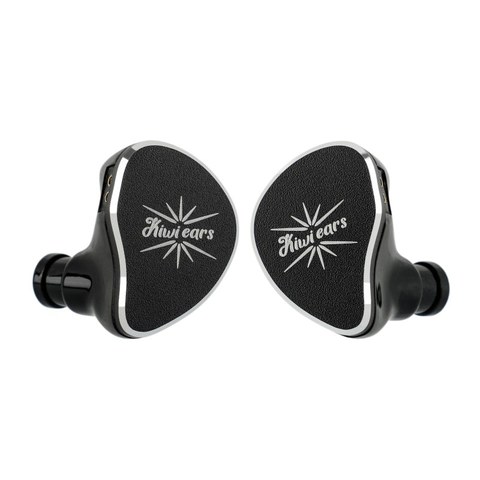
The Belle uses a 10mm DLC (diamond-like carbon) dynamic driver, prized for maintaining structural rigidity under fast transients. The Zero 2 uses its own 10mm dynamic driver tuned in collaboration with reviewer Crinacle, focused on a warmer, more universally appealing response than the original Zero.
Sound Signature
The Belle leans warm and smooth, with a lively low end and a clean midrange that avoids treble fatigue during long sessions. The Zero 2 also leans warm compared to its predecessor, with genuine sub-bass extension and a non-fatiguing treble that avoids sibilance while staying clear in the upper mids.
Build and Design
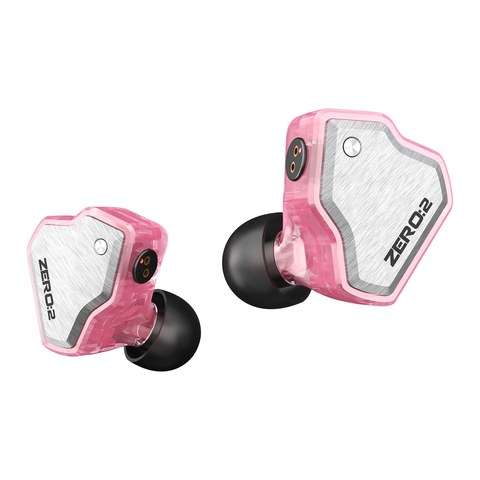
The Belle has CNC-machined metal faceplates over a lightweight, compact housing with ergonomically contoured shells. The Zero 2 uses a translucent resin shell with a brushed metal faceplate insert, giving it a slightly more industrial, transparent look compared to the Belle’s more understated metal finish.
Value for Money
At roughly $30, the Belle sits at a similar entry-level price to the Zero 2’s roughly $25 asking price. Both are considered excellent value in their category, and picking between them really comes down to a slight preference in tonal balance rather than one being a clearly better deal.
Spec Comparison
| Spec | Kiwi Ears Belle | 7Hz Zero 2 |
|---|---|---|
| Driver | 10mm DLC dynamic driver | 10mm dynamic driver |
| Impedance | 32 ohm | 32 ohm |
| Sensitivity | 103dB | 108dB |
| Price | Around $30 | Around $25 |
| Shell | CNC metal faceplate | Translucent resin with metal faceplate |
Testing these two side by side reminded me why budget single-DD IEMs have become such a competitive category lately. I kept switching back and forth expecting one to clearly outclass the other, but honestly, on most tracks the difference came down to small details rather than an obvious winner. The Zero 2’s stock cable was the one weak point I noticed, feeling a bit thin and rubbery compared to the Belle’s cable.
Per Jason W., who is a Budget Audio Reviewer and forum moderator, “At this price, both the Belle and the Zero 2 make a strong case that you don’t need to spend more than a takeout dinner to get a genuinely enjoyable in-ear monitor.”
Comfort and Fit
Both IEMs use lightweight shells that stay put during normal daily use, whether that’s typing at a desk, walking around, or lying back on a couch. The Belle’s contoured shape sat a little more flush in my ear canal, while the Zero 2’s slightly boxier housing protrudes a touch more but never became uncomfortable even after two-hour sessions.
- Belle: contoured shell, sits flush, good for smaller ears
- Zero 2: boxier housing, still comfortable, protrudes slightly more
- Both come with a reasonable selection of stock eartips in the box
Everyday Use Cases
For commuting and casual listening, either pair handles the job well, though I’d lean toward the Zero 2 for outdoor use since its slightly punchier bass cuts through ambient noise a bit better without needing to crank the volume. For desk use and critical listening at lower volumes, the Belle’s smoother, warmer tuning felt a little more relaxing over long stretches.
Pros and Cons
- Belle pros: warmer tonality, premium-feeling metal faceplate, comfortable long-session fit
- Belle cons: single driver limits ultimate resolution compared to hybrid designs
- Zero 2 pros: excellent value, smoother treble than the original Zero, strong technical performance for the price
- Zero 2 cons: stock cable feels basic, translucent shell shows fingerprints easily
Packaging and Warranty
Neither IEM ships with anything extravagant in the box, which makes sense given the price point, but both include enough eartip sizes and a basic pouch to get you started right away. Warranty support through Linsoul and other authorized retailers is generally straightforward for both brands, and replacement cables are easy to source for either model if you ever need one down the line.
Conclusion
If you’re shopping under $50 for your first serious IEM, either of these is a safe bet. The Belle edges ahead slightly on perceived build quality and a marginally smoother top end, while the Zero 2 wins on raw value and has a stronger reputation among budget-focused audiophile communities. I’d suggest going with whichever tuning description appeals more to you, since both represent genuinely excellent entry points into the hobby. See current pricing at Linsoul’s Belle listing and the 7Hz Zero 2 product page.
FAQ
Is the Kiwi Ears Belle good for beginners?
Yes, its warm, non-fatiguing tuning and comfortable fit make it a great entry point for new IEM buyers.
Does the 7Hz Zero 2 need an amp?
No, at 32 ohm and 108dB sensitivity it’s easily driven straight from a phone or laptop.
Which one has better bass?
Both have satisfying bass for the price, with the Zero 2 having slightly more sub-bass extension and the Belle offering a marginally warmer overall low end.
Can I swap the stock cable on either IEM?
Yes, both use standard detachable connectors compatible with common aftermarket cables.
Ryan tests a lot of budget audio gear to find out which entry-level IEMs are actually worth recommending to first-time buyers. He writes at softwaredriverdownload.com.