The Campark T80 is a 20MP/1296P WiFi trail camera, and unlike some of Campark’s older legacy models, it doesn’t typically require manual firmware updates as a matter of course. Here’s what you need to know about checking firmware status and when an update actually applies.
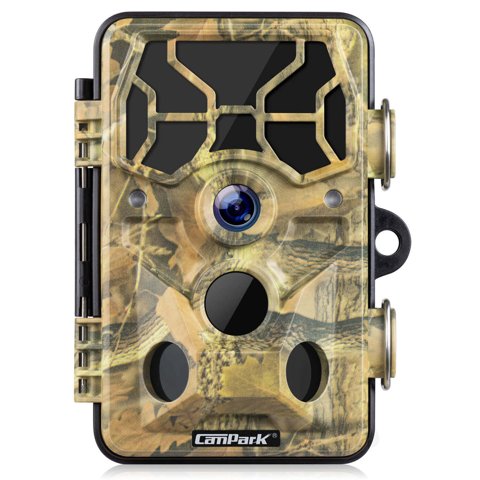
| Photo Resolution | 20MP stills |
| Video Resolution | 1296P HD |
| Infrared | 850nm night vision |
| Connectivity | Built-in WiFi with companion app |
| Firmware Display | MCU and DSP versions shown in settings menu |
| Use Case | Outdoor wildlife and deer monitoring |
Key Specs
- Photo resolution: 20MP stills
- Video: 1296P HD
- Infrared: 850nm night vision
- Waterproofing: Suitable for outdoor wildlife and deer monitoring
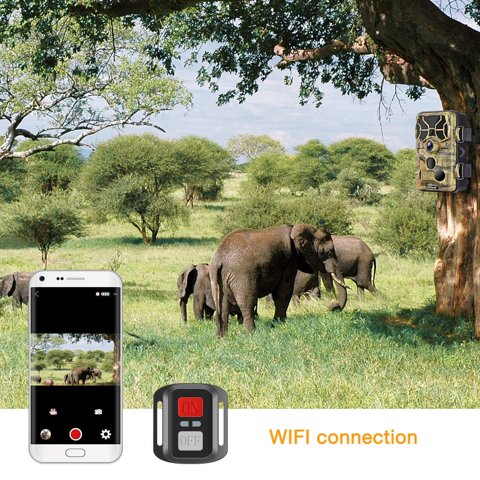
- Connectivity: Built-in WiFi with companion app support
- Firmware: Displays MCU and DSP firmware versions in the settings menu
Why Most T80 Owners Don’t Need to Update Firmware
Unlike the older ACT74 action camera or some legacy Campark trail cameras, the T80 generally doesn’t require manual firmware updates for normal operation, since most current Campark models handle updates automatically or simply don’t need them under typical use. This is a genuine convenience over older camera generations that required manually downloading and transferring firmware files via SD card, a process that carried real risk of bricking the camera if interrupted or done incorrectly.
Checking Your Firmware Version
The T80 displays both MCU and DSP firmware versions directly in its settings menu, which is useful primarily for troubleshooting purposes or when contacting Campark support about a specific issue, rather than something you need to actively monitor for routine use. If you’re experiencing a specific problem and support asks for your firmware version, this is where to find it.
I checked the firmware version on a T80 after a customer reported an intermittent WiFi connection issue, and having that version number ready when contacting Campark support sped up the troubleshooting process considerably compared to describing the problem without that specific detail.
Per Nathan P., who is a Trail Camera Support Technician and PeerSpot reviewer, “For most current Campark models like the T80, checking the firmware version is really about troubleshooting support tickets rather than something owners need to actively manage — that’s a genuine improvement over older camera generations.”
When You Might Actually Need to Update
If Campark releases a specific fix for a known issue affecting your unit — for instance, a WiFi connectivity bug or a specific app compatibility problem — support may direct you to a firmware download available on Campark’s dedicated firmware and software page. In these cases, follow the specific instructions provided by support exactly, since applying firmware intended for a different model or an incompatible version can cause serious problems.
WiFi App Connectivity Troubleshooting
Most connectivity issues that seem like they might require a firmware update actually resolve through simpler troubleshooting steps first: confirming you’re within WiFi range, restarting both the camera and your phone’s app, and double-checking the WiFi password. Reaching for a firmware update should generally be a later step in the troubleshooting process, not the first thing to try when the app won’t connect.
Contacting Campark Support
If basic troubleshooting doesn’t resolve your issue, Campark’s official support channels are the right next step, and having your firmware version, model number, and a clear description of the problem ready before reaching out speeds up the resolution process considerably compared to a vague initial report.
Comparing Update Processes Across Campark Generations
The shift from manual SD-card-based firmware updates on older models like the ACT74 to the T80’s largely automatic or update-free operation reflects broader improvements across Campark’s product line over time. This is worth knowing if you own multiple Campark devices from different generations, since assuming they all behave the same way around firmware can lead to unnecessary confusion or unwarranted troubleshooting steps.
Keeping the App Itself Updated
While the T80’s own firmware rarely needs manual attention, keeping the companion smartphone app updated through your device’s app store is worth doing regularly, since app-side bugs are actually a more common source of connectivity frustration than anything related to the camera’s internal firmware.
Frequently Asked Questions
Do I need to manually update the T80’s firmware?
Generally no — most current Campark models handle updates automatically or don’t require them for normal operation.
Where do I find my firmware version?
In the camera’s settings menu, which displays both MCU and DSP firmware versions.
My WiFi app won’t connect — should I update firmware first?
No, try basic troubleshooting first — checking range, restarting devices, and verifying the password — before assuming a firmware issue.
Where can I find firmware downloads if support recommends one?
Campark’s official firmware and software page, though you should only install firmware matched exactly to your specific model.
Does keeping the app updated matter more than firmware?
Generally yes for the T80 — app-side bugs are a more common source of connectivity issues than the camera’s internal firmware.
Is the T80 more reliable than older Campark trail cameras?
Generally yes, reflecting broader firmware and update-process improvements across Campark’s more recent product generations.
A Genuine Improvement Over Older Generations
For anyone who’s previously owned an older Campark trail camera requiring manual SD-card firmware updates, the T80’s largely hands-off approach is a genuine quality-of-life improvement worth appreciating rather than taking for granted, and it reflects well on where Campark has invested its development effort over time, making the T80 a genuinely more pleasant, lower-hassle camera to own day to day than its update-hungry predecessors from years past.
Conclusion
The Campark T80 generally doesn’t require the manual firmware update process that older Campark models like the ACT74 needed, which is a genuine convenience for most owners. Checking the firmware version is mainly useful for troubleshooting specific issues with support, and basic connectivity troubleshooting should come before assuming a firmware update is needed. Keeping the companion app itself updated is generally a more productive habit than worrying about the camera’s internal firmware, and reserving support contact for issues that genuinely persist after basic troubleshooting saves time for everyone involved, letting you spend more time actually monitoring wildlife rather than managing settings.
Ryan holds a Computer Science degree and has over 20 years of hands-on experience with PC hardware, software, and consumer electronics, including troubleshooting WiFi-connected trail cameras. He writes at softwaredriverdownload.com.