The DDPAI Z60 and 70mai A800SE are both strong 4K dual-channel dash cams positioned just below their respective brands’ absolute flagship models. Here’s a full comparison to help you decide between them.
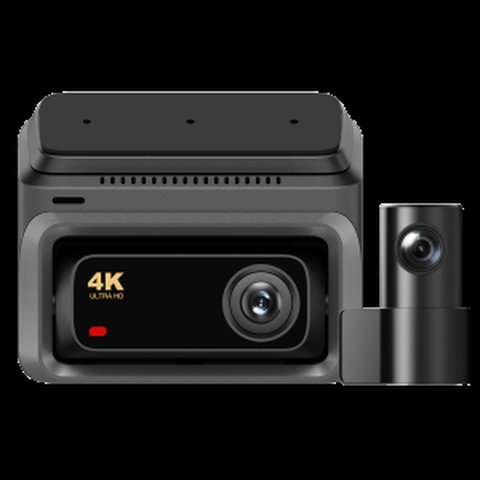
Spec Comparison
| Spec | DDPAI Z60 | 70mai A800SE |
|---|---|---|
| Front resolution | 4K (3840×2160) | True 4K |
| Storage | 32GB eMMC + up to 512GB TF | Check current listing |
| Display | 3″ IPS screen | 3″ LCD screen |
| WiFi | 5GHz WiFi Turbo (up to 18MB/s) | Standard WiFi |
| Connectivity | Optional 4G | WiFi only |
| 3-channel expansion | Yes, via MINI2X | Check current compatibility |
Storage Redundancy: Z60’s Built-In Advantage
The Z60’s combination of 32GB built-in eMMC storage and a removable TF card gives it a backup layer that protects against the most common dash cam failure point — a corrupted or failed SD card. The A800SE relies on standard removable card storage without this same dual-layer protection, meaning a card failure results in a more complete loss of recent footage on the A800SE than it would on the Z60.
Connectivity: Z60’s Optional 4G Path
The Z60 supports an optional 4G module for remote live-view and cloud notifications, a feature the A800SE doesn’t offer at all. If you want the option to check on your vehicle remotely — useful for fleet management or simple peace of mind while your car sits parked — the Z60 gives you that upgrade path even if you don’t use it from day one.
Even if you never activate the 4G module, having the option available on the Z60 is worth something — buying a camera that supports future features you might want later beats needing to replace the whole unit if your priorities change after a year or two of ownership.
WiFi Turbo vs Standard WiFi
The Z60’s 5GHz WiFi Turbo, rated up to 18MB/s, transfers large 4K footage to your phone noticeably faster than the A800SE’s standard WiFi connection. This matters most if you regularly download and review clips rather than leaving footage on the card until you specifically need it, since slower transfer speeds become a real daily friction point over time.
For full specs, see DDPAI’s official Z60 product page and 70mai’s official A800SE product page.
Matching the Camera to Your Actual Needs
If you’re someone who rarely thinks about your dash cam once it’s installed and just wants reliable coverage running in the background, the Z60’s storage redundancy gives you more peace of mind without needing to actively manage anything. If you’re comfortable being more hands-on with card management and don’t see yourself using remote features, the A800SE’s simpler feature set and typically lower price make it a perfectly reasonable choice without unnecessary extras.
Common Setup Problems and Fixes
- Problem: The Z60’s 4G module won’t connect after activation. Confirm the SIM card is fully seated and that your carrier plan supports IoT/data-only SIMs, since a standard voice SIM sometimes needs a data-only variant to work correctly with the module.
- Problem: WiFi Turbo transfer speeds feel no faster than standard WiFi. Check that your phone actually joined the camera’s 5GHz network rather than falling back to 2.4GHz, since many phones default to whichever band they used last.
- Problem: The A800SE’s app keeps losing connection to the camera. Move the phone closer during pairing and confirm no other device is already connected to the camera’s WiFi hotspot, since most dash cams only support one active app connection at a time.
- Problem: Footage gaps appear around the time of a card swap. Always format a new card in-camera before first use rather than assuming factory formatting is compatible, since some cards ship with a file system the dash cam firmware doesn’t fully support.
- Problem: The MINI2X 3-channel expansion isn’t recognized by the Z60. Double check the cable is fully seated at both ends and that the expansion module’s firmware is updated to the latest version through the DDPAI app before troubleshooting further.
- Problem: Parking mode drains the vehicle battery faster than expected. Lower the voltage cutoff threshold in the hardwire kit or app settings so the camera stops drawing power sooner, and confirm the hardwire kit itself is a genuine, correctly rated unit.
Frequently Asked Questions
Is the Z60 significantly more expensive than the A800SE?
Pricing varies by retailer and promotion; compare current listings, as the gap can narrow or widen with sales.
Does the A800SE support any built-in backup storage?
Check the current spec sheet, as built-in storage inclusion can vary by specific A800SE bundle.
Is 4G connectivity worth paying extra for?
Only if you’ll actually use remote live-view regularly; otherwise it’s an optional feature you can skip without losing core functionality.
Which one has better low-light performance?
Both use capable sensors for their tier; real-world low-light differences tend to be modest between the two.
Can either be expanded to 3-channel coverage?
The Z60 supports this via the MINI2X and πLink; check 70mai’s current lineup for equivalent A800SE compatibility.
Which is easier to install for a first-time buyer?
Both follow similar dual-channel installation processes with comparable difficulty.
Does the A800SE support ADAS features?
Check the current spec sheet, as ADAS feature availability can vary by specific A800SE bundle and region.
Which one has a longer standard warranty?
Warranty terms are generally comparable between the two; check the specific listing for exact current coverage.
Does the Z60 support voice control?
Check the current spec sheet, as voice control availability can vary by firmware version.
Which one is better suited to a leased vehicle?
Both use removable adhesive mounts suitable for a leased vehicle, since neither requires permanent modification to install.
Is a car charger included with both models?
Yes, a standard 12V car charger ships with both as part of the base package.
Do both include a printed quick-start guide?
Yes, both typically ship with a printed quick-start guide alongside the standard packaging materials in the retail box.
Are replacement adhesive mounts sold separately?
Yes, both brands typically sell replacement adhesive mount pads as low-cost accessories if the original wears out over time.
Can either camera be powered from a portable battery pack?
Yes, both accept standard USB power, so a portable battery pack can run them independently of the vehicle’s ignition system.
Do both support external GPS antenna upgrades?
Check current accessory compatibility, as external GPS antenna support tends to be model-specific rather than universal across either lineup of products.
Assessing What You’d Actually Use
Before paying extra for the Z60’s connectivity extras, honestly assess whether you’d use remote live-view even occasionally. Many buyers add features like this expecting to use them regularly, only to find they check footage the same way regardless — pulling the card or connecting via local WiFi after getting home. If that describes your likely usage pattern, the A800SE’s simpler feature set may deliver equivalent practical value for less money.
Reading Recent Owner Feedback
Before finalizing your choice, spend a few minutes browsing recent verified purchase reviews for both the Z60 and A800SE specifically, since real-world reliability feedback often reveals patterns that spec comparisons miss entirely — things like connector durability, mount adhesive quality over time, or how each brand’s support team handles warranty claims in practice.
Registering Your Purchase
Whichever model you choose, register your purchase with the manufacturer if that option is available, since it can streamline any future warranty claim and often gets you notified directly about firmware updates rather than needing to check manually. This small step takes only a couple of minutes after your purchase arrives.
Conclusion
The Z60 edges ahead thanks to its built-in storage redundancy, faster WiFi, and optional 4G connectivity, making it the stronger overall pick for most buyers. The A800SE remains a solid true-4K option if those specific extras aren’t priorities for you.
Ryan
CS graduate · tests every camera and driver he writes about firsthand