The DDPAI Z50 and 70mai A800SE are both 4K dual-channel dash cams positioned as strong mid-range options, each using a newer Sony sensor for improved low-light performance. Here’s a full breakdown of how they compare.
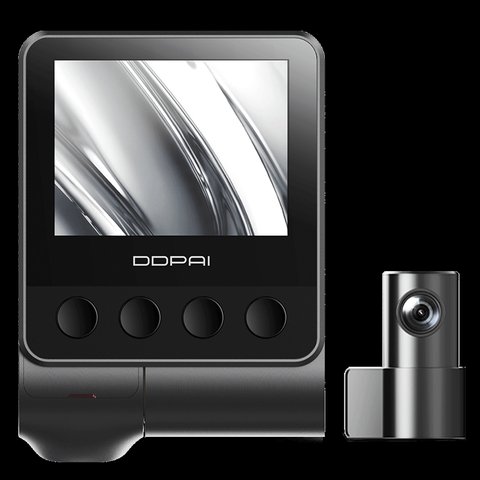
Spec Comparison
| Spec | DDPAI Z50 | 70mai A800SE |
|---|---|---|
| Front resolution | 4K/1600P/1080P selectable | True 4K (3840×2160) |
| Sensor | Sony IMX415, 8MP | Not disclosed |
| Rear camera | 1080P, 5-lens, F2.0 | Compatible with RC22 (1080P) |
| Display | 2.3″ screen | 3″ LCD screen |
| Power backup | Supercapacitor | Supercapacitor |
| Storage | Up to 512GB | Check current listing |
Selectable Resolution vs Fixed 4K
The Z50 lets you choose between 4K, 1600P, or 1080P recording depending on your storage and quality priorities, while the A800SE runs fixed at true 4K. The Z50’s flexibility is useful if you want to extend recording time on a smaller card by dropping resolution, while the A800SE’s fixed 4K approach means consistently maximum quality without needing to think about the setting, at the cost of using storage faster.
Display Size: A800SE’s Practical Edge
The A800SE’s larger 3″ screen makes on-device footage review and menu navigation noticeably easier than the Z50’s smaller 2.3″ display. This is a small but genuinely useful convenience difference, particularly if you frequently check recent footage directly on the camera rather than always pulling out your phone and opening the app.
Screen size differences seem trivial on a spec sheet but matter more than expected in daily use — a larger display makes it meaningfully easier to confirm framing during install and review clips on the spot, which is worth factoring in if you value quick on-device checks over always reaching for your phone.
Rear Camera Compatibility
The Z50 includes a matched 5-lens rear camera as part of its standard kit. The A800SE pairs with 70mai’s RC22 rear camera specifically, which is designed to complement the A800SE’s front unit for synchronized real-time front and rear viewing on the main display. Both approaches deliver solid dual-channel coverage; the difference is mainly in whether you want a fully matched kit (Z50) or 70mai’s specific rear camera ecosystem (A800SE).
For full specs, see DDPAI’s official Z50 product page and 70mai’s official A800SE product page.
Real-World Video File Management
Since both cameras can shoot at true 4K, it’s worth planning your card management strategy from the start rather than after your card fills up unexpectedly. The Z50’s selectable resolution gives you a direct lever to extend recording time when needed, while A800SE owners running fixed 4K should budget for a larger card (256GB or more) from day one to get comparable loop recording history without frequent card swaps.
Frequently Asked Questions
Does dropping resolution on the Z50 significantly extend recording time?
Yes, lower resolutions produce smaller file sizes, meaningfully extending how much footage fits on a given card size.
Is the RC22 rear camera included with the A800SE by default?
Check the specific bundle you’re considering, as rear camera inclusion can vary between base and kit listings.
Which one performs better in low light?
Both use modern sensors suited for low-light conditions; real-world performance differences tend to be modest between the two.
Does the Z50 support GPS?
Check the current spec sheet, as GPS inclusion can vary by specific Z50 bundle and region.
Is either camera compatible with a third rear or interior camera?
Check each brand’s current accessory catalog, as 3-channel expansion compatibility varies by specific model.
Which one is easier to review footage on directly?
The A800SE’s larger 3″ screen makes on-device review somewhat easier than the Z50’s smaller display.
Does either support loop recording customization?
Yes, both let you choose loop segment length within their respective apps.
Is the Z50 harder to install than the A800SE?
No, both follow a comparable dual-channel installation process with similar difficulty.
Does the Z50 support ADAS features?
Check the current spec sheet, as ADAS availability can vary by specific Z50 bundle and region.
Which one is quieter in terms of fan or motor noise?
Neither has an internal fan; both are silent in operation aside from occasional button click sounds.
Is a car charger included with both models?
Yes, a standard 12V car charger ships with both as part of the base package.
Do both include a printed quick-start guide?
Yes, both typically ship with a printed quick-start guide alongside the standard packaging materials in the retail box.
Are replacement adhesive mounts sold separately?
Yes, both brands typically sell replacement adhesive mount pads as low-cost accessories if the original wears out over time.
Can either camera be powered from a portable battery pack?
Yes, both accept standard 5V USB power, so a portable battery pack can run them off the vehicle’s ignition when needed for testing.
Which One Suits a Practical Everyday Driver
For most everyday driving, the practical differences between these two are smaller than the spec sheets suggest. Someone who wants simplicity and a bigger screen for quick checks will likely prefer the A800SE, while someone who wants the flexibility to dial back resolution to stretch card storage on longer trips will appreciate the Z50’s selectable modes. Neither is a wrong choice for typical daily driving needs.
Test Driving Both Before Committing If Possible
If you have access to a local electronics retailer that stocks either camera, seeing the physical unit and screen size in person before buying can clarify preferences that spec sheets alone don’t capture well — particularly how the display feels to use and how the physical buttons are laid out. Not everyone has this option, but it’s worth checking if a nearby store carries either brand before ordering online sight-unseen.
A Final Word on Long-Term Support
Whichever model you choose, register your purchase with the manufacturer if that option is available, since it can streamline any future warranty claim and often gets you notified directly about firmware updates rather than needing to check manually. This small step takes only a couple of minutes after your purchase arrives.
Conclusion
The Z50 offers useful resolution flexibility for managing storage, while the A800SE’s larger screen and fixed true 4K output appeal to buyers who want consistent maximum quality without adjusting settings. Both are solid mid-range picks depending on which tradeoff fits your habits.
Ryan T. is a PC hardware enthusiast with 15+ years of experience fixing drivers and testing consumer tech. He writes for softwaredriverdownload.com.