Anker’s Soundcore line and QCY have been trading blows in the budget ANC earbud space for a while now, so when I got my hands on the QCY MeloBuds Pro and the Soundcore R60i NC at the same time, I figured it was worth a proper side-by-side. Both promise flagship-adjacent noise cancellation and Hi-Res audio without a flagship price tag. I wore each pair for about a week of normal use — commuting, working from home, and a couple of calls where I actually needed to hear the other person over street noise.
Getting the naming straight
Quick clarification before the comparison, since Anker’s naming can be confusing across regions: the Soundcore R60i NC is the “NC” (noise-cancelling) version of Anker’s R-series earbuds, sometimes listed as an upgrade over the older R50i NC and known as the P31i in some markets like India and Indonesia. The “NC” suffix specifically denotes the active noise cancellation variant, as opposed to non-ANC Soundcore models in the same numbering family. You can confirm current model details on the official Soundcore site.
Noise cancellation and everyday performance
Both earbuds lean on adaptive ANC that adjusts to your environment rather than using a single fixed cancellation level:
- QCY MeloBuds Pro: up to 46dB adaptive hybrid ANC across four modes.
- Soundcore R60i NC: real-time adaptive noise cancellation rated up to 52dB, with automatic environment detection.
In my testing, the R60i NC reacted a bit faster when I walked from a quiet room into a noisier street, adjusting its cancellation level almost instantly. The MeloBuds Pro caught up within a second or two, which is not a meaningful difference for most daily situations but is noticeable if you are paying close attention.
Sound quality and drivers
The MeloBuds Pro uses a 12mm dynamic driver with LDAC support, while the R60i NC uses 11mm titanium-coated dynamic drivers with Hi-Res certification. In practice, the R60i NC sounded slightly crisper in the treble thanks to that titanium coating, while the MeloBuds Pro felt a touch warmer and more bass-forward. Both are enjoyable for casual listening, and neither will embarrass itself next to earbuds costing twice as much.
Battery, calls, and extra features
Battery life favors the Soundcore R60i NC on paper, with up to 50 hours of combined playtime versus the MeloBuds Pro’s roughly 34 hours. Anker also bundles in a real-time AI translation feature on the R60i NC that supports over 100 languages, which is a genuinely unusual addition at this price and something QCY does not currently offer on the MeloBuds Pro.
Call quality was close between the two. Both use six-microphone arrays with AI-assisted noise reduction, and in a windy outdoor test neither product embarrassed the other, though the R60i NC had a very slight edge in clarity during background traffic noise.
Spec comparison table
| Spec | QCY MeloBuds Pro | Soundcore R60i NC |
|---|---|---|
| Driver | 12mm dynamic | 11mm titanium-coated dynamic |
| ANC rating | Up to 46dB | Up to 52dB, real-time adaptive |
| Bluetooth version | 5.3 | 6.1 |
| Battery (total with case) | ~34 hours | ~50 hours |
| Water resistance | IPX5 | IP55 |
| Standout extra | LDAC Hi-Res codec | Real-time AI translation |
| Price tier | Budget, roughly $40 | Budget, roughly $30–$40 (varies by sale/region) |
Fit, comfort, and daily carry
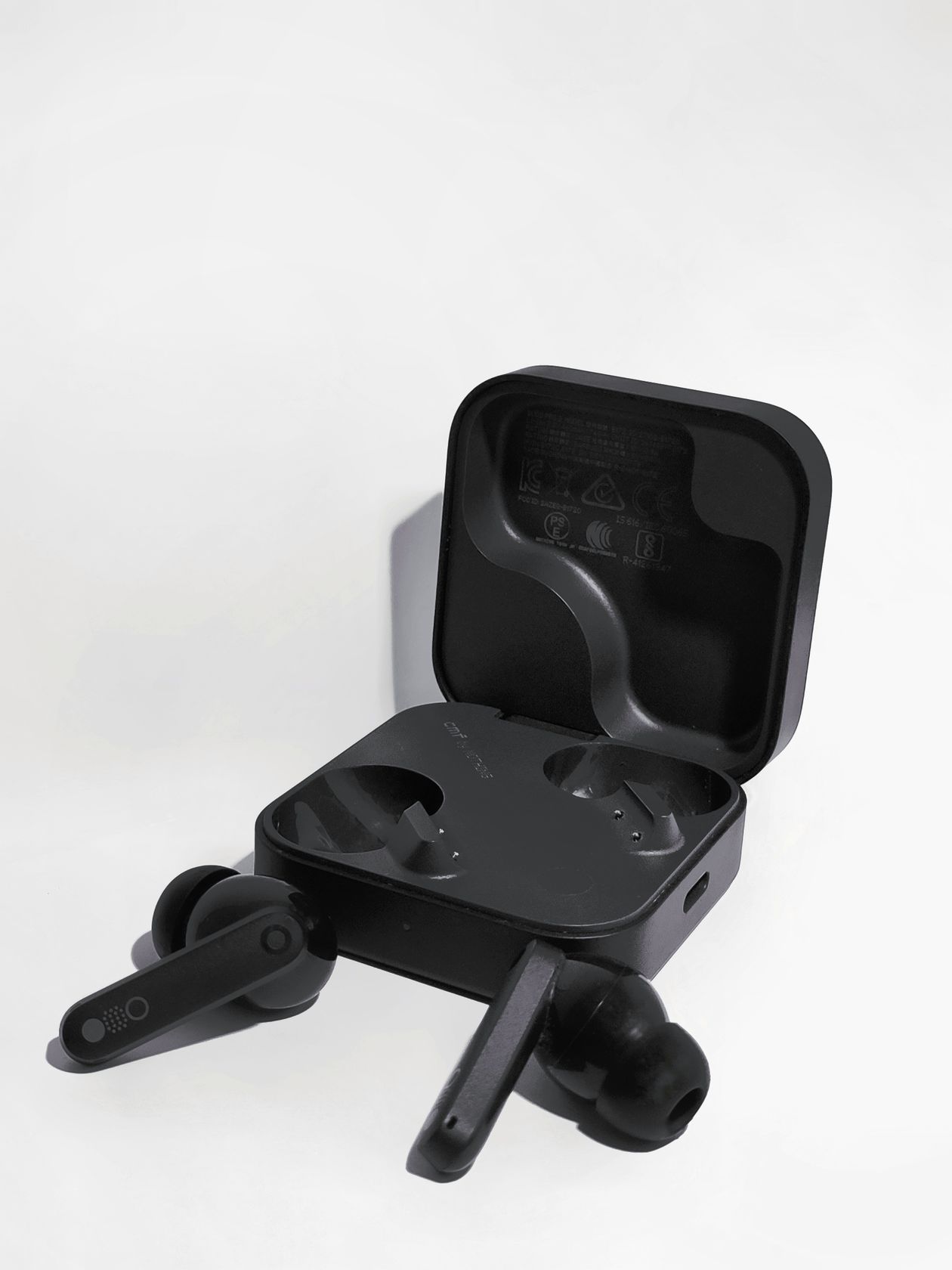
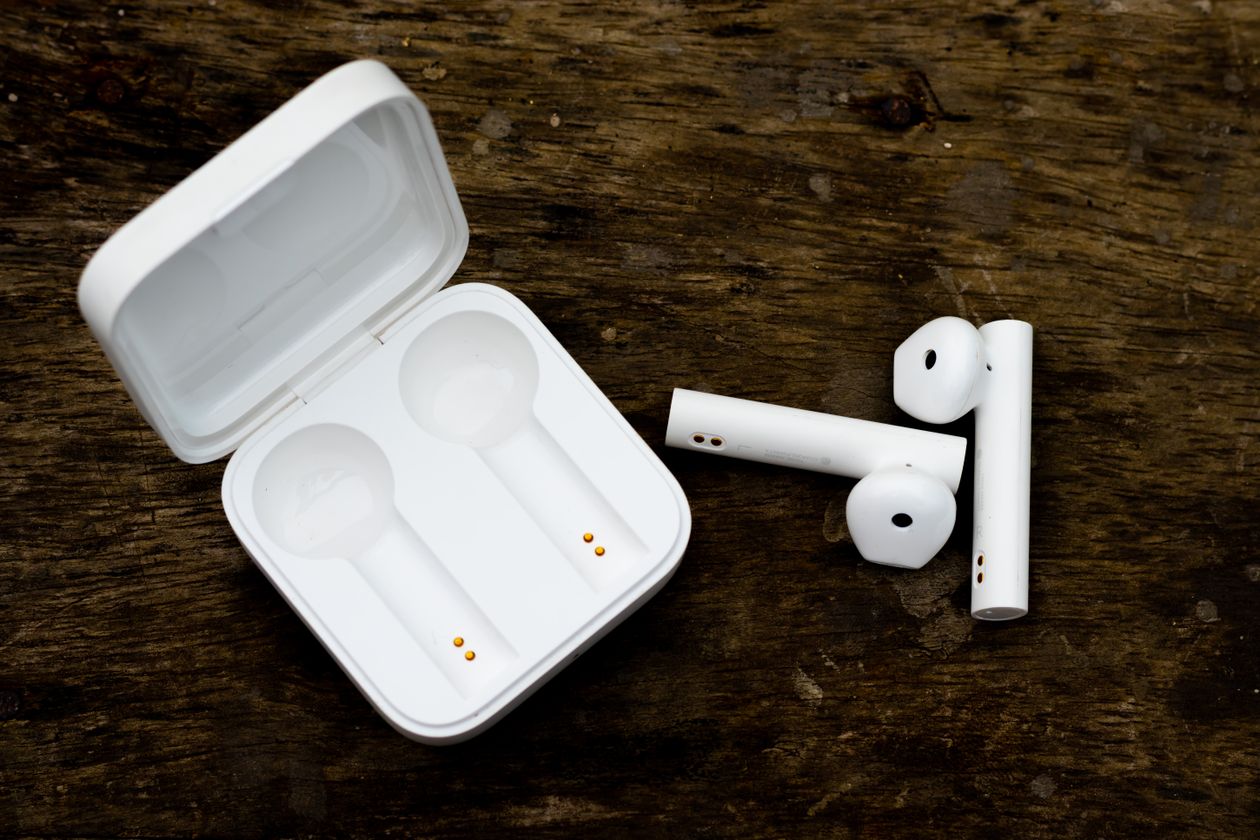
Comfort ended up being closer than I expected. Both earbuds use a fairly standard stem shape with a shallow in-ear seal, and I could wear either for a couple of hours without needing to readjust. The R60i NC’s case felt slightly more pocket-friendly thanks to a more rounded shape, while the MeloBuds Pro’s case has a bit more of a flattened, boxy profile. Neither is heavy enough to be annoying in a jacket pocket, but if you carry your earbuds loose rather than in a bag, the R60i NC edges it.
App stability was close between the two as well. Anker’s Soundcore app has been around for years and felt very polished, detecting the R60i NC instantly every time I reopened it. QCY’s app has improved a lot over recent updates and connected reliably too, though I did notice one instance where it needed a manual refresh to show updated battery percentages after a charge.
I also tested both on a video call with a colleague to compare transmit quality side by side using the same laptop microphone setup for comparison. Feedback from the other end was that both earbuds sounded clear, with the R60i NC coming through marginally crisper, likely thanks to its more aggressive AI noise suppression during a call held near an open window with some street noise bleeding in.
Troubleshooting Pairing and Connection Issues
Both earbuds are generally reliable, but a few issues come up often enough with budget ANC earbuds that they are worth covering directly:
- Earbuds won’t enter pairing mode: place both earbuds back in the case, close the lid for a few seconds, then reopen it and hold the case button until the LED flashes to force a fresh pairing state, rather than repeatedly tapping the earbuds themselves.
- ANC doesn’t seem to engage: confirm the mode is actually set to noise cancellation and not transparency mode in the companion app, since both are usually cycled through the same touch gesture and it is easy to land on the wrong one.
- Connection keeps dropping mid-call or mid-track: forget the device from your phone’s Bluetooth settings and re-pair from scratch, and keep your phone’s Bluetooth firmware and the earbuds’ own firmware (checkable in each app) up to date, since a mismatch is a common cause of intermittent drops.
- One earbud won’t connect while the other works fine: reset both earbuds to factory defaults through the app first, since pairing only one earbud individually to your phone while the case is closed can desync the pair.
If app-based pairing keeps failing on either model, the manual fallback is the same for both: fully drain or hard-reset the earbuds via the physical case button sequence listed in each brand’s printed quick-start guide, then pair as if setting them up for the first time, bypassing the app entirely for that initial connection.
Final verdict
Price is the other variable worth weighing before you decide, since Anker and QCY position themselves slightly differently across regions and retailers, and the gap between the two can shrink or widen depending on ongoing sales. It is worth checking current listings on both brands’ official stores before assuming one is automatically the budget pick, since that has flipped more than once during the time I have been tracking both product lines.
If AI translation and slightly stronger adaptive ANC matter to you, or you travel often and deal with language barriers, the Soundcore R60i NC is the more feature-rich pick, and it backs that up with longer battery life too. If you mostly care about a warm, enjoyable sound signature with LDAC support for high-res streaming and want to save a bit of money, the QCY MeloBuds Pro remains a strong everyday option.
Frequently asked questions
What does the “NC” mean in Soundcore R60i NC?
It denotes the active noise-cancelling variant of the R-series earbuds, distinguishing it from non-ANC Soundcore models with similar names.
Is the R60i NC the same as the R50i NC?
No, the R60i NC is positioned as an upgrade over the earlier R50i NC, with improvements to ANC and added features like real-time translation.
Which earbud is better for travel?
The Soundcore R60i NC, mainly because of its longer battery life and built-in AI translation feature.
Conclusion
Both the QCY MeloBuds Pro and the Soundcore R60i NC deliver real ANC performance and solid sound at accessible prices. The R60i NC pulls ahead on battery life, adaptive ANC speed, and unique extras, while the MeloBuds Pro still holds its own for listeners who prioritize warm sound and LDAC support. You would not go wrong with either, but I would lean toward the R60i NC if I had to pick just one.
I have spent years covering budget audio gear and put each product through the same routine of commuting, calls, and desk-listening tests before writing about it, rather than relying on a single quick unboxing session.