Moondrop rarely lets a budget hit sit unrefreshed for long, and the Quark2 is the direct successor to the original Quarks — one of the most talked-about sub-$20 IEMs of its time. I bought both models specifically to compare them side by side rather than relying on memory of the original, since driver and tuning changes are easy to misremember after using something for a while.
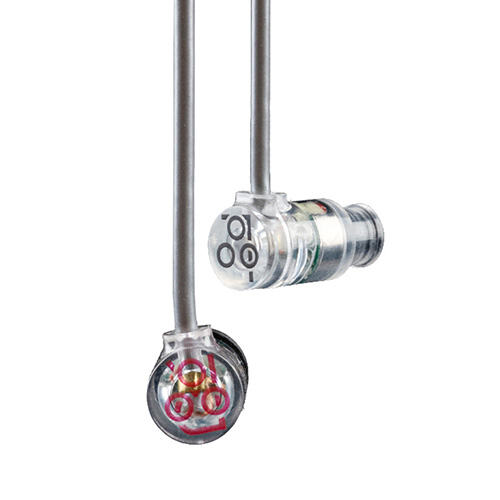
Spec Comparison
| Spec | Moondrop Quarks (original) | Moondrop Quark2 |
|---|---|---|
| Approx. price | Under $20 | $16.99 |
| Driver | Single micro dynamic driver, closed anterior cavity | 7.8mm dynamic driver, closed front cavity, optimized for the cavity structure |
| Cable connector | Proprietary 2-pin style specific to this model | Fixed cable; DSP variant uses USB Type-C termination |
| Tuning character | Warmer, bassier, less controlled at higher volumes | More balanced bass, generally less distorted |
| Special variant | None | Quark2 DSP with built-in DAC via USB-C |
| Packaging | Standard small box | Smaller box than the original (a minor downgrade) |
Sound Differences You Can Actually Hear
The most noticeable change between generations is bass control. The original Quarks leans into a fun, boosted low end that can blur into the lower midrange on busier tracks. The Quark2 keeps a similarly generous bass quantity but reins in the looseness, so bass notes sound more defined and less like they are bleeding into vocals.
Listening to the same bass-heavy playlist back to back, the Quark2 consistently sounded cleaner during fast basslines, while the original Quarks occasionally softened transient hits into a slight mush. For calmer acoustic tracks, the difference is smaller, and either model performs reasonably well.
Build and Cable Differences
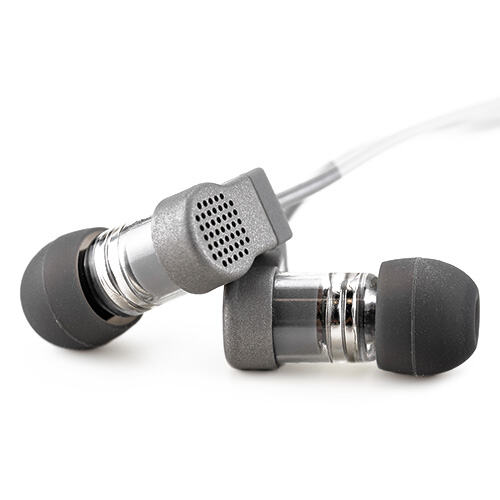
This is where buyers need to pay close attention. The original Quarks uses a cable connector specific to that model, meaning stock replacement cables for the Quarks generally will not work interchangeably with unrelated 0.78mm-standard IEMs. The Quark2 continues with a fixed cable on the standard version, while the Quark2 DSP variant swaps to a USB-C plug with a built-in digital-to-analog converter, letting it plug straight into a phone or laptop without needing an analog headphone jack.
If having a USB-C, drop-in DSP cable matters to you (for instance, using it with a phone that has no headphone jack), the Quark2 DSP is the only one of the two that offers that option at all.
Packaging: A Small Step Backward
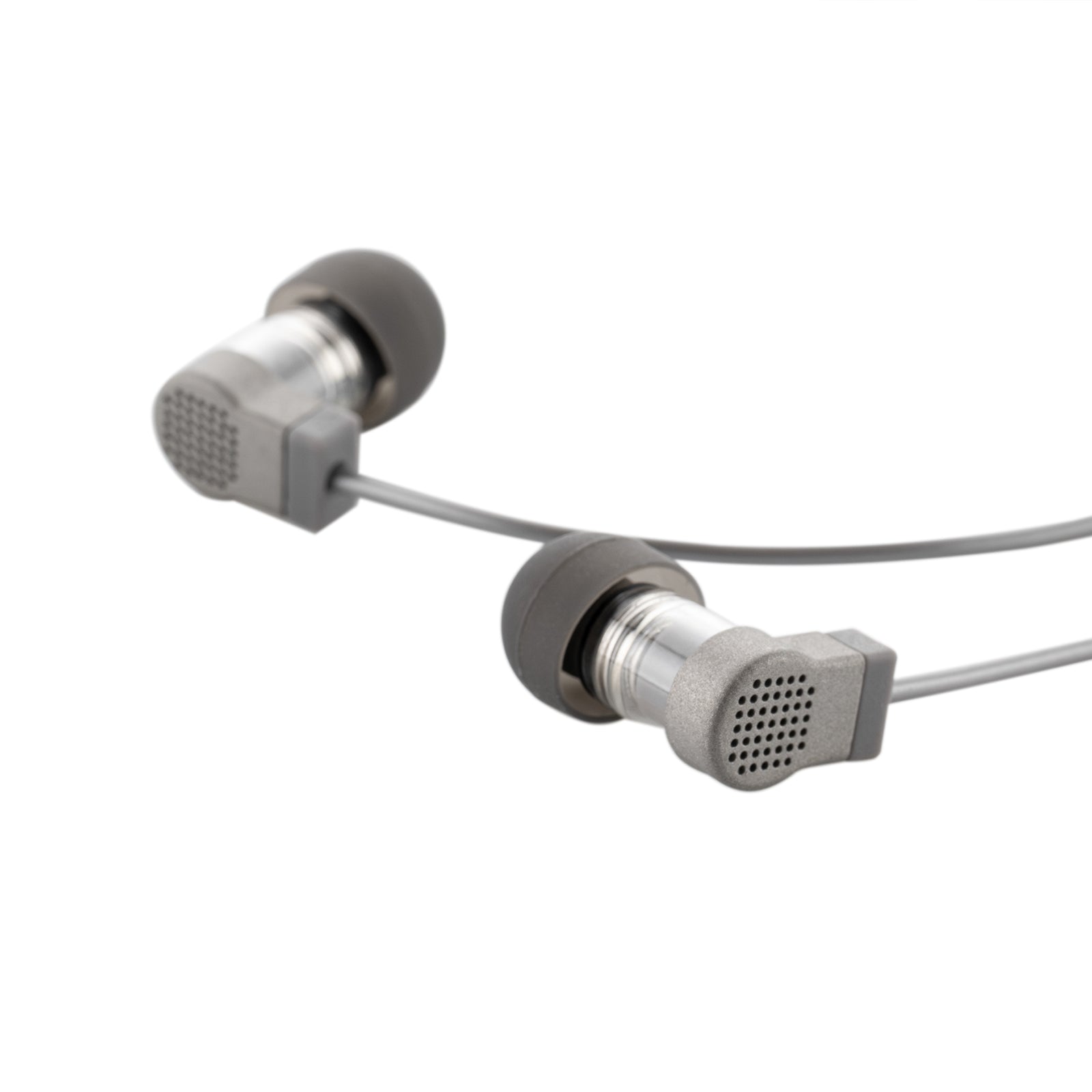
Interestingly, the Quark2’s retail box is smaller and simpler than the original Quarks’ packaging. This will not matter to most buyers who toss the box immediately, but it is worth mentioning since a smaller box sometimes (though not always) correlates with fewer included accessories. In this case, the core accessory set — eartips and the earphones themselves — remains comparable between the two generations.
Which One Should You Buy?
- Buy the original Quarks if: you specifically want the warmer, bassier signature, or you find it significantly discounted compared to the Quark2
- Buy the Quark2 if: you want more controlled bass and better overall coherence for the same rough price point
- Buy the Quark2 DSP if: you need a USB-C plug-and-play option for a phone or laptop without a headphone jack
For nearly all buyers today, the Quark2 is the more sensible pick. The original Quarks earned its reputation fairly, but the sequel improves on the exact weakness reviewers flagged most often — loose, occasionally muddy bass — without giving up much else.
Comfort and Fit, Side by Side
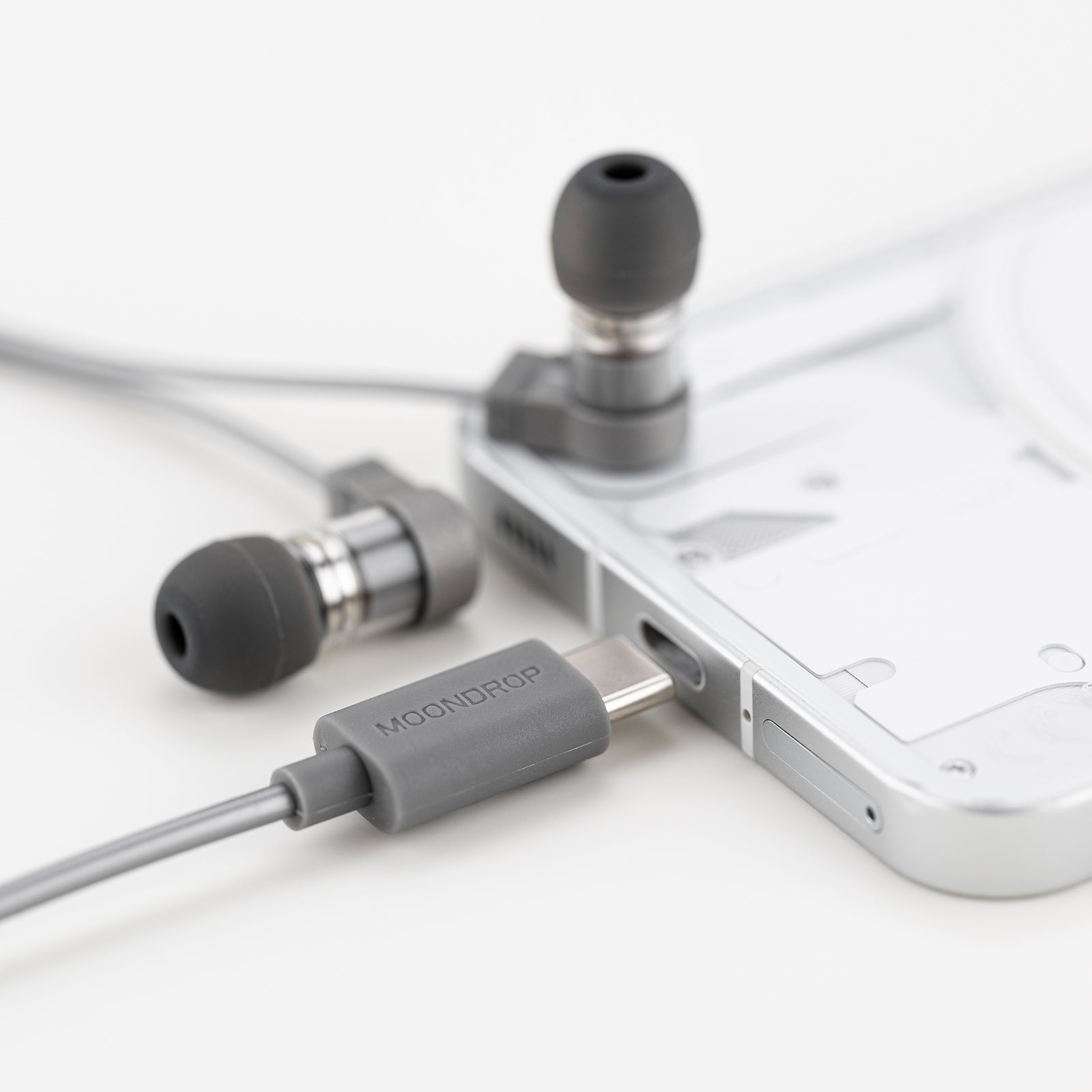
Both models use a small bullet-style shell that sits shallow in the ear, and in terms of raw comfort there is very little to separate them — both are light enough to wear for hours without fatigue. The Quark2’s shell felt marginally more refined in hand, with slightly smoother seams where the housing meets the nozzle, though this is a subtle difference you would only notice comparing them directly rather than using either one in isolation.
Eartip fit was consistent between the two in my testing, since both use a similar nozzle diameter. If you already have a preferred aftermarket tip from using the original Quarks, it should transfer over to the Quark2 without issue.
How I Tested Both Models
To keep the comparison fair, I used the same DAC/amp source, the same volume-matched levels, and the same fifteen-track playlist spanning acoustic, pop, hip-hop, and electronic genres for both earphones, switching back and forth within each song rather than listening to one fully before the other. This kind of quick A/B switching makes subtle differences like bass control much easier to notice than reviewing each earphone on separate days from memory.
I also asked a family member with no strong opinions on audio gear to blind-test both without knowing which was which, and their unprompted comment was that one “sounded a bit cleaner in the bass” — they picked the Quark2 without being told anything about the price or release order.
Common Problems and Fixes With Either Model
- Problem: One side sounds quieter than the other. Clean the nozzle mesh gently with a dry brush first, since wax buildup is the most common cause of a lopsided sound on both models rather than a driver defect.
- Problem: The original Quarks’ cable feels loose at the connector over time. Because it uses a connector specific to that model rather than a standard 0.78mm pin, avoid yanking at an angle when removing the earpiece, which is the usual cause of a loosened connection.
- Problem: The Quark2 DSP isn’t recognized when plugged into a laptop. Try a different USB-C port, and check that the laptop’s operating system has selected the Quark2 as the active audio output device rather than defaulting to built-in speakers.
- Problem: Bass sounds thin or weak on either model. This is almost always a seal issue rather than a tuning problem; try a larger or smaller eartip size until you get a snug, consistent seal in the ear canal.
- Problem: Static or crackling noise through the Quark2 DSP variant. Update to the latest firmware if Moondrop has released one for the DSP module, and test with a different USB-C cable to rule out a damaged cable.
Frequently Asked Questions
Is the Moondrop Quark2 a big upgrade over the original Quarks?
It is more of a refinement than a reinvention — same basic tuning philosophy with tighter, more controlled bass and a similar price.
Can I use my old Quarks cable on the Quark2?
No, the original Quarks uses a connector specific to that model, and the Quark2 does not use the same fixed-cable format.
What is the Quark2 DSP variant?
A version of the Quark2 with a USB-C plug and built-in DAC, letting it connect directly to phones or laptops without an analog jack.
Is the original Quarks still worth buying?
Only if it is discounted below the Quark2’s price, or you specifically prefer a warmer, bassier tuning.
Conclusion
Side by side, the Quark2 is a clear step forward from the original Quarks in the one area that mattered most: bass control. Both remain excellent value at their price point, but if you are choosing between the two today with no prior loyalty to the original, the Quark2 is the easier recommendation.
Both models were purchased independently and compared directly using the same tracks and source device over several listening sessions.