The Moondrop Chu 2 and KZ ZSN Pro X sit at almost the exact same price point and both get recommended constantly in budget IEM threads, which makes the comparison genuinely useful rather than a mismatch of tiers. I spent time swapping between the two on the same playlist to see where the single dynamic driver versus hybrid approach actually shows up in practice.
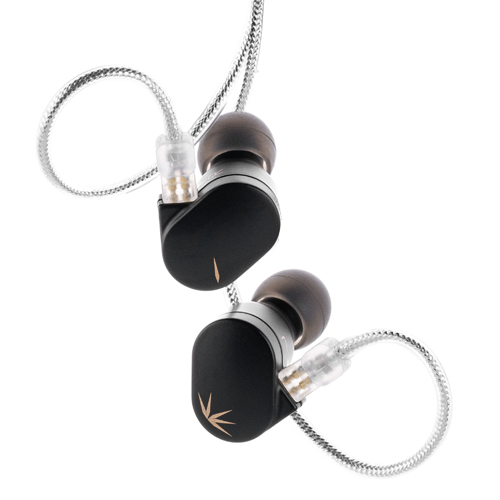
| Spec | Moondrop Chu 2 | KZ ZSN Pro X |
|---|---|---|
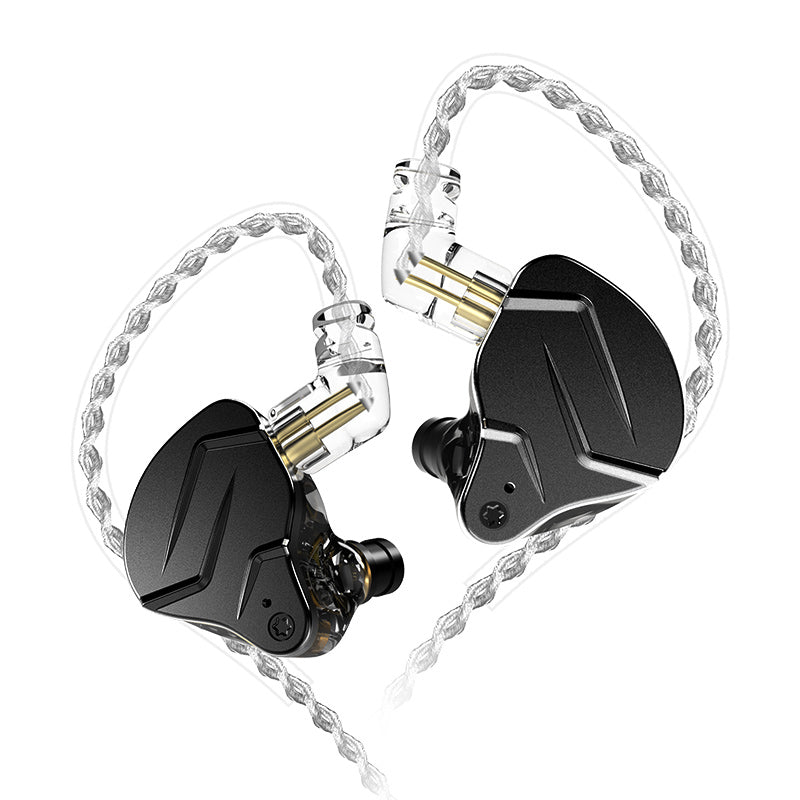
| Driver | Single 10mm dynamic driver | Hybrid 1BA + 1DD (30095 balanced armature) |
| Impedance | 18Ω | 25Ω |
| Cable connector | 0.78mm 2-pin | Bi-Pin |
| Shell | Resin with brass nozzles | Zinc alloy faceplate over resin cavity |
| Tuning | Neutral, VDSF-leaning | V-shaped, bass and treble forward |
A quick spec timeline
Sound signature differences
The Chu 2’s single dynamic driver produces a smoother, more coherent sound with Moondrop’s familiar VDSF-leaning tuning — controlled bass, natural mids, and treble that stays polite rather than aggressive. It’s an easy, non-fatiguing listen that holds up over long sessions.
The ZSN Pro X’s added balanced armature pushes more energy into the upper midrange and treble, giving it a brighter, more “exciting” signature out of the box. Bass from its dynamic driver hits reasonably hard, but the overall balance leans toward a V-shaped curve compared to the Chu 2’s flatter response. Some listeners will prefer that extra energy for pop, EDM, and rock; others will find it slightly more fatiguing over long listening sessions.
- Chu 2: smoother, more neutral, easier for long sessions
- ZSN Pro X: brighter, more V-shaped, more exciting on bass-and-treble-forward genres
- Both are efficient enough to skip a dedicated amplifier for casual listening
Build and comfort
The ZSN Pro X’s metal faceplate feels slightly more premium to the touch, while the Chu 2’s resin shell is lighter and, in my experience, a touch more comfortable for very long wear sessions. Both use detachable cables, though the connector types differ (0.78mm 2-pin on the Chu 2, Bi-Pin on the ZSN Pro X), so cables are not interchangeable between them without an adapter.
Which one should you buy
If you want a calmer, more accurate tuning that won’t wear you out during multi-hour listening sessions, the Chu 2 is the safer pick. If you want more upfront energy and don’t mind a brighter signature, especially for bass-and-treble-forward genres, the ZSN Pro X is worth strong consideration, and its detachable Bi-Pin cable makes future upgrades straightforward too.
Testing methodology and listening notes
For this comparison, I used the same source (a mid-range Android phone plus a basic USB-C dongle DAC for volume-matched testing) and cycled through a mixed playlist covering pop, rock, hip-hop, and a couple of acoustic tracks. Volume matching two IEMs with different sensitivity ratings takes a bit of care — I used a sound level meter app to get within about half a decibel between the two before doing any A/B comparisons, since even a small volume mismatch can bias a listener toward whichever earphone happens to be slightly louder.
On acoustic guitar and vocal tracks, the Chu 2’s smoother tuning gave a more natural, less processed-sounding result, while the ZSN Pro X’s added armature energy occasionally made acoustic instruments sound a touch more clinical or forward than the source recording intended. On the flip side, electronic and hip-hop tracks with prominent hi-hats and synth leads sounded more exciting and present through the ZSN Pro X, exactly the kind of genre-dependent result you’d expect from a brighter, more V-shaped tuning.
Accessory and ecosystem considerations
KZ has built out a large ecosystem of budget cables, eartips, and accessories over the years given how many models it has released, so ZSN Pro X owners have a wide range of inexpensive upgrade options if they want to experiment with cable materials or tip shapes. Moondrop’s accessory ecosystem, while smaller, tends to focus more tightly on a handful of well-regarded eartip options that pair predictably with its house tuning philosophy across the Chu and Aria lines.
Common Problems and Fixes for Both Models
- Problem: One earphone sounds quieter or the imaging feels off-center. Fix: Reseat the tip for a fuller seal on either model before assuming a driver fault; both rely on tip seal for balanced bass and volume between channels.
- Problem: A replacement cable does not fit the ZSN Pro X. Fix: Confirm you are buying a Bi-Pin cable specifically, not a standard 0.78mm 2-pin cable; the two connector types look similar but are not interchangeable without an adapter.
- Problem: The ZSN Pro X sounds fatiguing on bright recordings. Fix: Switch to foam tips or apply a mild treble-reducing EQ curve, which tames the added balanced armature’s upper-frequency energy without needing a different earphone.
- Problem: The Chu 2’s bass feels underwhelming compared to expectations. Fix: Try a wider-bore tip and confirm a full seal, since a shallow or loose fit is the most common reason a single dynamic driver design like the Chu 2 sounds thinner than reviews describe.
- Problem: Cable microphonics when walking or exercising. Fix: Route the cable over the ear using the pre-formed hook on either cable rather than letting it hang straight down; this eliminates most of the noise on both models.
Frequently asked questions
Is the Moondrop Chu 2 or KZ ZSN Pro X better for bass?
The ZSN Pro X’s hybrid setup gives it slightly punchier, more forward bass, while the Chu 2’s bass is more controlled and neutral rather than emphasized.
Do the Chu 2 and ZSN Pro X use the same cable connector?
No. The Chu 2 uses a 0.78mm 2-pin connector while the ZSN Pro X uses a Bi-Pin interface, so cables are not directly interchangeable between the two.
Which is more comfortable for long listening sessions?
The Chu 2’s lighter resin shell tends to be more comfortable over multi-hour sessions for most ear shapes, though individual fit will vary.
Do either of these need an amplifier?
No, both are efficient enough (18Ω and 25Ω respectively) to run comfortably from a phone or basic USB-C dongle.
Longevity in the hobby
Both models come from brands with a long track record in this price segment, which matters more than it might seem for a first or second IEM purchase. KZ has released an enormous number of models over the years, meaning parts, community tuning discussions, and comparison data for the ZSN Pro X are easy to find. Moondrop’s Chu line has similarly become a de facto benchmark that newer budget releases get compared against, so sticking with either brand puts you in a well-documented corner of the hobby with plenty of community knowledge to draw on later.
Final thoughts
Both the Chu 2 and ZSN Pro X earn their reputations as some of the best sub-$25 in-ear monitors currently available, just for slightly different listening preferences. Neutral and easy-going points to the Chu 2; brighter and more energetic points to the ZSN Pro X.
About the author: budget IEM comparisons like this one are basically my version of comparison shopping — except I actually listen to the products before writing about them.