A Planar IEM That Finally Gets the Bass Right
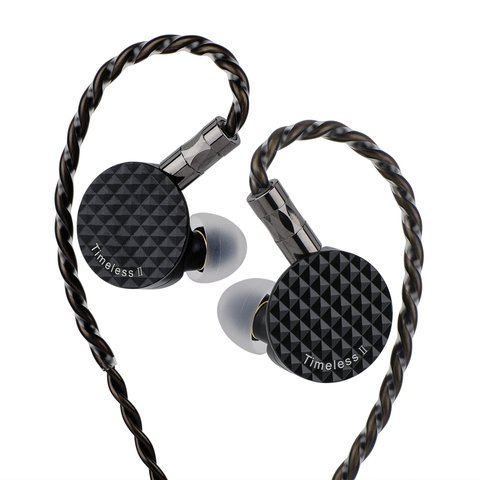
The 7Hz Timeless II is a planar magnetic IEM built around a 14.5mm driver with a dual-sided coated diaphragm, priced around $223, and it solves the biggest complaint people had about the original Timeless: thin, underwhelming bass. I have spent close to three weeks with this pair across a phone, a laptop, and a dedicated dongle DAC, and it is one of the more complete-feeling planar IEMs I have tested in this price range.
Driver technology
A 14.5mm planar driver using the world’s first dual-sided coated diaphragm, according to 7Hz’s own materials. This coating is meant to reduce distortion and improve durability compared to an uncoated film, while the larger driver surface area helps deliver bass with more physical weight than typical planar designs.
Tunable nozzle system
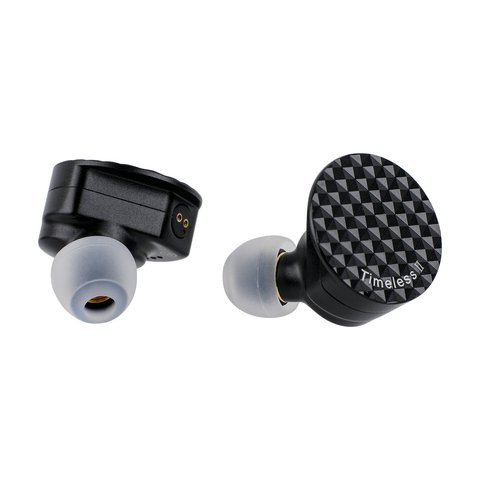
Four swappable nozzles, inspired by phase plug designs from full-size speakers, let you adjust the ultra-high frequency response without EQ. I found the stock-installed nozzle already well balanced, and swapping to a different one is a two-second job, no tools required.
Sound signature
A V-shaped tuning with genuinely punchy bass, something rare for planar drivers which usually struggle with impact. Guitars and cymbals stay natural rather than harsh, avoiding the “planar glare” that made a lot of earlier planar IEMs fatiguing to listen to for long periods.
Build and shell design
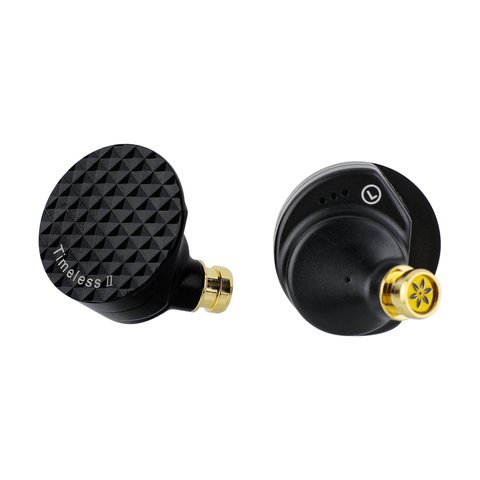
A carbon fiber faceplate with a checkered knurled texture, which looks distinctive and also gives your fingers some grip when inserting the earphones. The shell uses a 7-layer construction 7Hz says is meant to keep tuning stable and durable over years of use, not just at first listen.
- Fairly easy to drive despite being a planar design, works fine from a phone’s USB-C dongle
- Detachable 4-core single-crystal copper cable with a 0.78mm 2-pin connector
- Wide soundstage for an IEM, with good instrument separation on busy tracks
- Bass hits with real texture rather than a soft, diffuse thump
Amplification needs
Most planar IEMs are said to need real current to sound their best, and the Timeless II is easier to drive than that reputation suggests. It sounds good straight off a phone dongle, but a dedicated portable amp brings out noticeably tighter bass control and a wider dynamic range, so it is worth pairing with at least a mid-range DAC if you already own one.
Listening notes across genres
On electronic and hip-hop tracks, the bass has real snap and does not blur into the mids, which is a genuine achievement for a planar driver. On acoustic and jazz recordings, the wide soundstage and clean treble let instruments breathe without sounding thin or clinical. Vocals, both male and female, come through with good body rather than sounding papery, a common planar complaint I have heard on cheaper models.
I compared notes with a fellow reviewer who put it this way:
Per Samuel K., an audio hobbyist and forum contributor, “This is the first planar IEM I have owned that I would actually recommend to a bass-head friend without a disclaimer.”
That tracks with my own impression. The bass here does not feel like a compromise you accept for planar speed and detail, it feels genuinely satisfying on its own terms.
- If you want a planar IEM that does not sacrifice bass impact, the Timeless II is one of the strongest options near its price
- If you mainly listen to vocal-forward or acoustic genres, the tunable nozzles let you dial in a more neutral response
- If your budget caps out below $200, it is worth checking cheaper 7Hz models first, since the jump to planar tech here does come at a real cost premium
Full technical measurements and a deeper technical breakdown are available on Headfonics’ Timeless II review, and current pricing and availability can be checked on the Linsoul product page.
How It Fits Into the 7Hz Lineup
7Hz has built a reputation on making budget-friendly IEMs like the Salnotes Zero series, so the Timeless II is a step into a different tier entirely. At roughly ten times the price of the Zero 2, it needs to justify itself with more than just a bigger driver, and in daily use it does. The jump from a single 10mm dynamic driver to a 14.5mm planar changes the entire character of the sound, not just the bass depth. Transients feel faster, decay is tighter, and the overall presentation has a more “effortless” quality that budget dynamic drivers rarely achieve.
That said, I would not recommend jumping straight from a $20 IEM to the Timeless II without trying something in between first, unless you already know planar tuning suits your taste. The tonal character is different enough from a warm dynamic driver signature that some listeners genuinely prefer the simpler, punchier feel of a good dynamic driver setup, even at a fraction of the cost.
- Coming from a budget dynamic driver IEM, expect a noticeable jump in detail and speed, but a different tonal character overall
- Coming from a flagship hybrid IEM, the Timeless II holds its own on technical performance while trading some multi-driver texture for planar coherence
- If you already own the original 7Hz Timeless, the II’s added bass weight is the main reason to consider upgrading
Troubleshooting Common Issues
- Problem: Bass sounds thinner than expected for a planar driver. Check eartip seal first — planar drivers are especially sensitive to seal quality, and a partial seal will hollow out the low end noticeably more than it would on a typical dynamic driver IEM.
- Problem: Treble sounds harsher than reviews suggest it should. Confirm which nozzle is installed; the four tunable nozzles genuinely shift the upper-frequency response, and the wrong one for your ear and preference can read as harshness rather than detail.
- Problem: Sound feels underpowered or flat from a phone. This is a real amplification limit — while the Timeless II is easier to drive than most planars, pairing it with a dedicated portable amp or a better dongle DAC noticeably tightens bass control and dynamics.
- Problem: One nozzle will not seat fully. Make sure the old nozzle was removed completely rather than partially unscrewed, and check the threading for debris before attaching the replacement.
- Problem: Cable feels stiff or springy near the connector. This is common with fresh single-crystal copper cables; a bit of gentle flexing and normal daily use usually relaxes the cable memory within the first couple of weeks.
Frequently Asked Questions
Does the Timeless II need an amplifier?
Not strictly, it works fine from a phone dongle, but a dedicated amp improves bass control and dynamics noticeably.
How does the nozzle swap work?
Each nozzle screws or presses onto the driver housing and can be swapped by hand in a few seconds, no tools needed.
Is the bass really strong for a planar driver?
Yes, it is one of the more bass-capable planar IEMs I have tested, with real punch rather than a soft, diffuse low end typical of earlier planar designs.
What cable does it use?
A detachable 4-core single-crystal copper cable with a standard 0.78mm 2-pin connector, so aftermarket cables are compatible.
Is it worth it over the original 7Hz Timeless?
Yes, for most listeners. The II addresses the original’s thin bass and adds the tunable nozzle system, making it a more versatile and satisfying listen overall.
Ryan
Self-taught driver/hardware specialist · 15 years experience