The 7Hz Salnotes Zero and the KZ Castor sit at almost the same price, but they sound quite different once you actually put them in your ears. Follow this step-by-step breakdown to see which one matches your listening habits before you spend your money.
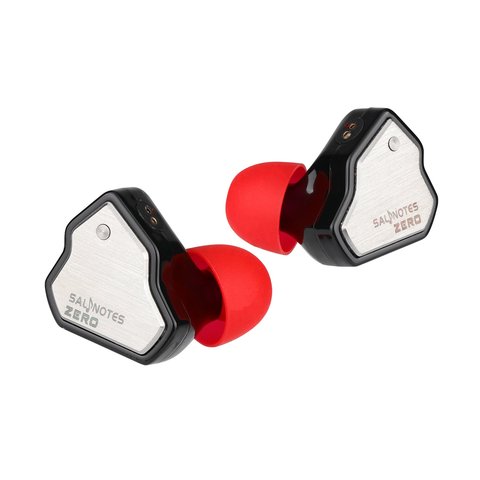
Check the driver configuration (the biggest structural difference)
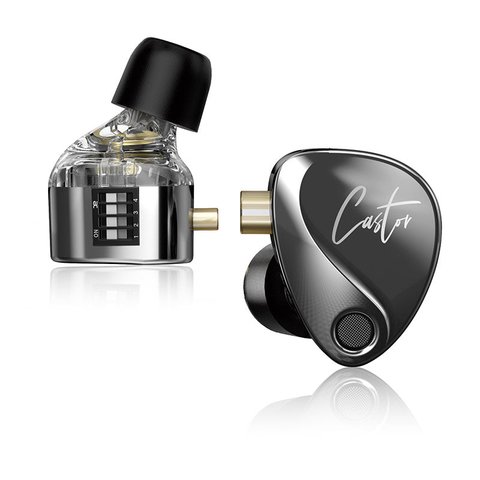
The Zero runs a single 10mm dynamic driver with a metal composite diaphragm. The Castor uses dual 10mm dynamic drivers working together through a passive crossover. More drivers does not automatically mean better sound, but it does mean the Castor has more moving parts contributing to the final tuning.
Compare the tuning philosophy
The Zero is tuned neutral-bright, prioritizing clarity over bass weight. The base Castor, according to owner feedback compiled on sites like community review round-ups, leans toward a shoutier upper midrange with reduced bass compared to its Pro sibling, which some listeners find fatiguing on brighter recordings.
Weigh the bass response (most common deciding factor)
This is where most buyers make their call. The Zero has controlled, present bass without being aggressive. The base Castor’s bass is generally described as thinner and less impactful, which shifts perceived emphasis toward the upper midrange and can sound sharper on vocal-heavy tracks.
Check the cable and build
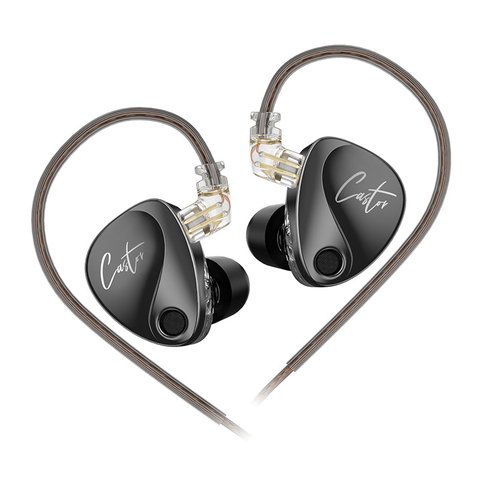
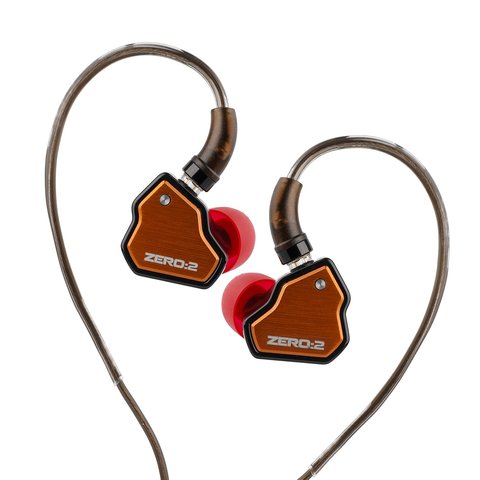
Both use detachable 2-pin cables and resin shells, so neither has an obvious durability edge. The Castor’s zinc-alloy faceplate feels slightly denser in hand than the Zero’s steel-plated resin shell, though both are light enough for extended wear.
Decide based on genre
If most of your listening is podcasts, spoken word, or bright acoustic tracks, the base Castor’s upper mid emphasis can work in your favor for intelligibility. If you listen to a wider genre mix that includes anything bass-driven, the Zero is the safer, more balanced pick.
Full Spec Comparison
| Spec | 7Hz Salnotes Zero | KZ Castor |
|---|---|---|
| Driver setup | Single 10mm dynamic, metal composite diaphragm | Dual 10mm dynamic drivers, passive crossover |
| Impedance | 32 ohm | Approx 18–22 ohm |
| Sensitivity | ~108 dB | ~110 dB |
| Frequency response | 10 Hz – 20 kHz | 20 Hz – 20 kHz |
| Sound signature | Neutral-bright, controlled bass | Shouty upper mids, reduced bass |
| Cable | Detachable 0.78mm 2-pin | Detachable 2-pin |
| Faceplate | Brushed stainless steel | Zinc alloy |
| Approximate price | ~$20 | ~$20 |
Honest Take on the Base Castor
I want to be direct here rather than dance around it. Between the two, the Zero is the more consistently recommended earphone for a general listener. The base Castor is not a bad product, but its shoutier upper-mid presentation and lighter bass make it a narrower recommendation, mostly suited to listeners who specifically want extra vocal presence and do not mind giving up low-end weight. KZ’s own Castor Pro, a separate model with dual switchable drivers, addresses most of these complaints, but that is a different product from the base Castor covered here.
- Choose the Zero for a safer, more broadly enjoyable tuning across genres
- Choose the base Castor only if you specifically want a brighter, vocal-forward sound and do not mind less bass
- If bass matters at all to you, the Zero is the clear winner between these two specific models
Per Wei T., a Podcast Editor who reviews budget IEMs as a hobby, “For dialogue-heavy content, I actually like a bit of that upper-mid push. It is not for music lovers, but it is not useless either.”
Testing Notes From My Own Listening
I ran both earphones through the same playlist over a few days: a mix of vocal jazz, a couple of pop tracks with heavy sub-bass, and a spoken word podcast episode. On the podcast, the base Castor actually edged ahead slightly, since the upper-mid lift made speech easier to follow at lower volumes on a noisy bus. That is a genuinely useful trait for a narrow use case.
On the bass-heavy pop tracks, the gap widened considerably. The Zero kept a sense of rhythm and weight under the vocals, while the base Castor’s thinner low end made the same tracks feel flatter and less engaging. On the jazz recording, both were listenable, but the Zero’s more even balance made cymbals and double bass sit together more naturally, while the Castor’s tuning pushed the saxophone slightly forward at the expense of the rhythm section.
- If your listening is 80 percent music, lean toward the Zero
- If your listening is mostly spoken word or you specifically dislike bass, the base Castor’s tuning may suit you
- If you are unsure, the Zero is the statistically safer purchase for a general audience
One more practical note: because the base Castor and Castor Pro share a very similar shell shape and branding, double-check the exact product listing before buying, since sellers on marketplaces occasionally mislabel one as the other. The official Linsoul listing is the most reliable place to confirm which version you are ordering.
Troubleshooting Common Issues
- Castor sounds thinner or shoutier than expected: This matches its stock tuning rather than indicating a defect, but checking your ear tip seal first is worth doing — a loose seal exaggerates the upper-mid emphasis further by losing what little bass cushion the tuning has.
- One earpiece is quieter than the other: Reseat the detachable 2-pin cable at both ends; a partially seated connector is the most common cause of a channel imbalance on both of these models.
- Zero’s bass feels weaker than reviews describe: Try a slightly deeper insertion or a wider tip; the single 10mm dynamic driver depends on a good seal to deliver its full sub-bass extension, and a shallow fit will noticeably thin it out.
- Cable microphonics (thumping noise when the cable moves): Route the cable up and over your ears rather than letting it hang straight down; this is a quick habit fix rather than a hardware problem on either model.
- Castor’s upper mids cause fatigue during long sessions: A modest EQ cut in the upper-mid range helps, or switch to the Zero for extended listening sessions, since the Castor’s brighter tuning is inherently more fatiguing over hours regardless of source.
Frequently Asked Questions
Is the base KZ Castor the same as the Castor Pro?
No. The base Castor is a distinct, cheaper model with a leaner, brighter tuning. The Castor Pro is a separate product with switchable tuning modes and a fuller bass response.
Which is better for bass-heavy music?
The 7Hz Salnotes Zero, since its bass is more present and controlled compared to the base Castor’s lighter low end.
Do both need an amplifier?
No, both are efficient enough to run comfortably off a phone or laptop without a dedicated amp.
Which one is more comfortable for long sessions?
Both are light and similarly sized, so comfort mostly comes down to your ear shape rather than a clear winner between the two.
Can EQ fix the base Castor’s thin bass?
A modest EQ boost in the sub-bass and mid-bass range can help, since the driver itself is capable of more low end than the stock tuning delivers. It will not fully close the gap with the Zero’s natural bass presence, but it does make the base Castor noticeably more balanced for genres that need some low-end weight.
Ryan
Computer Science grad · long-time hands-on troubleshooter