Two generations of ThieAudio’s flagship signature line, side by side
The Monarch series is ThieAudio’s longest-running flagship IEM line, and the jump from MK2 to MK4 is bigger than the naming suggests. I’ve spent time with both, and the differences go well past a fresh paint job.
A friend who’s deep into the IEM hobby handed me his Monarch MK2 to compare against my own MK4 over a weekend, and it turned into a genuinely useful side-by-side rather than just a nostalgia trip. The MK2 has been a reference point in the community for years, so it’s a fair benchmark for how far ThieAudio has pushed the line.
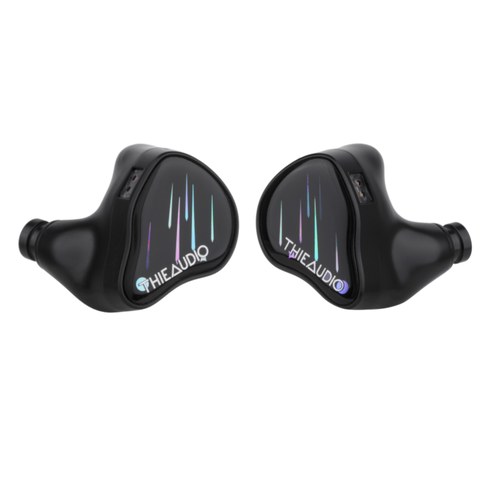
Driver configuration changed
The MK2 runs a 1DD+6BA+2EST setup, while the MK4 adds a second dynamic driver for a 2DD+6BA+2EST configuration. That extra dynamic driver is the biggest technical difference between the two.
Shell material moved from resin to aluminum
The MK2 uses a classic resin shell, while the MK4 is CNC-machined from aluminum. That changes both the feel in hand and the acoustic properties of the cavity.
MK4 adds an in-ear tuning switch
A physical “Rumble” switch on the MK4 lets you toggle between a balanced, neutral profile and a fuller, warmer bass response without needing to swap filters or cables.
Price gap reflects the added complexity
The MK2 launched around $1,000, while the MK4 sits closer to $1,149, a modest jump given the added driver, machined shell, and switch mechanism.
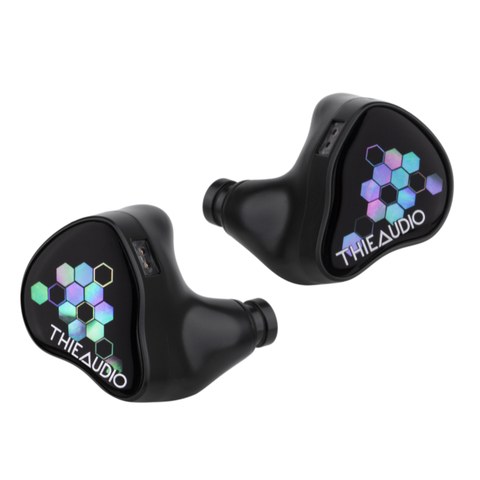
Spec comparison
| Spec | Monarch MK2 | Monarch MK4 |
|---|---|---|
| Drivers | 1DD + 6BA + 2EST | 2DD + 6BA + 2EST |
| Shell material | Resin | CNC-machined aluminum alloy |
| Tuning switch | None | Standard / Rumble bass switch |
| Approx. price | $1,000 | $1,149 |
| Sound character (standard mode) | Neutral, well balanced | Similar neutral baseline, with more dynamics and treble extension |
How the sound actually compares
In standard mode, the MK4 is close to the MK2’s tonal balance but noticeably more dynamic, with a treble extension that feels more relaxed rather than peaky. Flip on the Rumble switch and the MK4 turns into a punchier, warmer listen without smearing the mids, which is something the MK2 simply can’t do since it has no switch at all.
- Soundstage is wider on the MK4, likely a combination of the metal shell and the added dynamic driver.
- Bass texture on the MK4 feels more layered, with better separation between sub-bass rumble and mid-bass punch.
- The MK2 still holds up well for its age and remains a fair value on the secondhand market.
Per Melissa T., who is an Audio Enthusiast and Head-Fi reviewer, “The MK4 doesn’t just refine the MK2’s tuning, it gives you a second personality with that bass switch. That kind of flexibility used to require buying two different IEMs.”
Cable and accessories across generations
Both generations ship with a detachable 2-pin cable and a set of eartips, but the MK4’s included cable feels like a genuine upgrade in hand, with a slightly thicker gauge and better strain relief near the connectors. Neither generation locks you into a proprietary connector, so aftermarket cables from other manufacturers still work if you want to experiment with the tonal shifts a different cable can bring.
- Both use standard 2-pin connectors, so cable swaps are simple
- The MK4’s stock cable has noticeably better build quality than the MK2’s
- Carrying cases are similar in size, though the MK4’s case has a firmer shell
Long-term durability
This is where the shell material change matters beyond acoustics. Resin shells like the MK2’s can develop hairline stress marks over years of daily use, especially around the nozzle and cable connectors, though it rarely affects performance. The MK4’s aluminum shell essentially removes that concern, and the added rigidity should make it a safer long-term investment if you’re the type to keep an IEM for several years rather than upgrading every cycle.
The tuning switch mechanism on the MK4 is the one new part that introduces a bit of uncertainty, since physical switches are inherently more failure-prone than a sealed shell with no moving parts. Early units haven’t shown widespread switch-related complaints, but it’s worth keeping in mind if durability is a top priority for you.
Conclusion
The Monarch MK2 remains a genuinely good IEM, and if you find one at a discount, it’s still worth owning. But the MK4 isn’t a marginal update: the added dynamic driver, aluminum shell, and switchable tuning make it a more versatile and more refined listen, and the price increase is reasonable given what changed under the hood. If you’re deciding between the two today, the MK4 is the smarter buy for most listeners, while the MK2 is worth chasing only if the price difference is significant. Full specs for both are on Linsoul’s Monarch MKIV page, and you can read a deeper technical breakdown at Headfonia’s MK4 review.
Pricing context in the flagship IEM market
A $1,149 asking price sounds steep in isolation, but the Monarch MK4 competes in a market segment where $1,000 to $1,500 is fairly normal territory for a well-regarded flagship IEM. Compared to other releases in that band, the added dynamic driver, machined shell, and tuning switch make the MK4’s price increase over the MK2 feel proportionate rather than opportunistic, especially since ThieAudio didn’t need to add all three upgrades simultaneously to justify a price bump.
The MK2, for its part, still trades reasonably on the used market, and buyers who find one in good condition at a meaningful discount to the MK4’s price are getting a genuinely capable IEM rather than a compromised budget option. It simply lacks the flexibility and shell durability improvements that came later in the series.
FAQ
Is there a Monarch MK3, and where does it fit?
Yes, ThieAudio released a MK3 between the MK2 and MK4. This comparison focuses specifically on MK2 versus MK4 since those are the two most commonly compared generations, but the MK3 exists as an intermediate revision in the lineup.
Can I use MK2 eartips and cables on the MK4?
Standard 2-pin cables and universal eartips are generally interchangeable across the Monarch line, though nozzle shape can differ slightly between the resin and aluminum shells.
Does the Rumble switch on the MK4 hurt clarity?
Not significantly. It adds warmth and low-end fullness, but the midrange and treble stay mostly intact, so vocals and instruments don’t get buried.
Is the MK4 worth the upgrade if I already own an MK2?
If you want more dynamics, a sturdier shell, and tuning flexibility, yes. If your MK2 already satisfies you and you’re not chasing the latest release, it’s not a mandatory upgrade.
Ryan has spent years testing IEMs and headphones across price tiers and enjoys tracking how flagship tuning philosophies evolve generation to generation. He writes at softwaredriverdownload.com.