When I started shopping for a pair of noise cancelling headphones for long work trips, I was not ready to spend two hundred dollars on a name brand pair, but I also did not want to feel like I was settling. The TaoTronics SoundSurge 60 ended up being the pair I bought with my own money, and I have now used them through more flights, train rides, and noisy coworking spaces than I can count. Here is what stood out after real, extended use rather than a quick unboxing.
Build quality and comfort
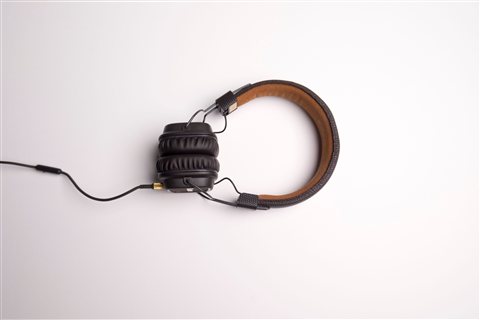
The SoundSurge 60 has a plastic frame that will not fool anyone into thinking it is a premium metal build, but it does not feel cheap either. The headband has enough padding that I can wear these for a four hour flight without a pressure point forming on top of my head, which is more than I can say for some pricier headphones I have tried. The ear cups rotate 90 degrees flat, and the whole thing folds down small enough to fit in the included pouch.
- Weighs about 1.2 pounds, noticeably light once you have them on for a while
- Protein leather ear pads that stay comfortable in short sessions but can get warm after an hour or two
- Adjustable headband with clearly marked size notches
- Folds flat and comes with a soft carrying pouch, not a hard case
Noise cancellation in the real world
This is the section most people care about, so I will be direct: the active noise cancellation on the SoundSurge 60 is good, not great. It handles constant low frequency drone extremely well, which is exactly what you want on an airplane or a train, cutting engine and road noise down to a distant hum. It is noticeably less effective against sudden sharp sounds like a door slamming or someone talking loudly nearby. If your main goal is blocking out a rumbling commute or an open office HVAC system, it delivers. If you need silence in a chatty environment, temper your expectations.
Sound signature
TaoTronics uses 40mm drivers in the SoundSurge 60, and the tuning leans toward bass forward, which suits hip hop, electronic, and pop reasonably well. Podcasts and audiobooks come through clearly too. Acoustic and classical listeners might find the low end a little heavy for their taste, but nothing here is muddy or distorted even at higher volumes. Connectivity is standard Bluetooth 5.0 with SBC codec support, plus a 3.5mm port if you would rather go wired on a flight without Bluetooth-enabled entertainment systems.
- Pair once via Bluetooth settings; the headphones remember the last connected device automatically after that
- Use the physical buttons on the right ear cup for volume, playback, and calls
- Toggle ANC on or off with a dedicated switch, useful when you want ambient awareness
- Plug in the 3.5mm cable for wired listening once the battery runs out
Battery life and charging
TaoTronics rates the SoundSurge 60 at up to 30 hours with ANC on, and in my testing that number holds up reasonably well at moderate volume. A full charge cycle from the included USB-C cable takes a few hours, and there is a quick charge feature that gives a couple of hours of playback from just five minutes plugged in, which has saved me more than once when I forgot to charge them before a trip.
Microphone and call quality
The built in microphone uses CVC 6.0 noise reduction, and it performs fine for casual calls in a quiet room. In a busier environment like a cafe, callers noticed some background noise leaking through, though my voice still came through understandably. I would not rely on this pair for professional conference calls in a loud space, but for everyday phone calls it gets the job done.
If you want a technical breakdown of how active noise cancellation actually works at the hardware level, this overview of active noise control explains the microphone and inverse waveform process in plain terms, which helped me understand why ANC is better at low frequencies than sudden noises.
Who should buy the SoundSurge 60
- Frequent commuters dealing with constant engine or road noise
- Anyone who wants long battery life without babysitting a charger every day
- Budget conscious buyers who still want ANC without paying flagship prices
- Not ideal if you need studio-accurate sound or top tier ANC in loud, unpredictable environments
How it compares to pricier options
I have borrowed a friend’s pair of premium ANC headphones a few times to compare side by side, and the gap is real but smaller than the price difference suggests. The premium pair edges out the SoundSurge 60 on ANC depth in loud environments and has a more neutral sound signature overall. What the SoundSurge 60 gives up in refinement it makes up for in battery life, since 30 hours beats most flagship headphones by a wide margin, and I never worry about packing a charging cable for a short trip. For anyone deciding between spending three times as much on a name brand versus getting most of the core experience here, the value case for the SoundSurge 60 is hard to argue against unless audio quality is your top priority above everything else.
Frequently asked questions
Does the SoundSurge 60 work without Bluetooth?
Yes, it includes a 3.5mm audio cable so you can use it wired once the battery is depleted or on devices without Bluetooth.
Is the noise cancellation good enough for flights?
For engine drone and cabin hum, yes, it noticeably reduces the noise. It will not fully silence a crying baby or loud conversation nearby.
How long does the battery actually last?
Close to the advertised 30 hours with ANC on at moderate volume in my own testing, slightly less if you keep the volume near maximum most of the day.
Can I use these while charging?
Yes, the headphones support listening while plugged in via the USB-C port, so a low battery does not have to interrupt your listening session.
Final thoughts
The TaoTronics SoundSurge 60 is not chasing flagship status, and that is exactly why it works. It handles the noise most travelers actually deal with, lasts long enough that charging becomes an afterthought, and stays comfortable through long stretches of wear. If you want dependable ANC headphones without the premium price tag, this pair has earned its keep in my travel bag for good reason.
Ryan
Computer science background, spends more on frequent flyer miles than audio gear, tests headphones on every trip he takes