The Tanchjim Zero built a reputation as one of the better ultra-budget single dynamic driver IEMs on the market, and the Zero Ultima is the refined follow-up built on that same low-cost foundation. Note the correct name here is Zero Ultima, not Zero Ultimate, a spelling mix-up that shows up often enough in searches and forum posts that it is worth clearing up before going any further. I picked one up alongside the original Zero to see exactly what the refinement actually changed.
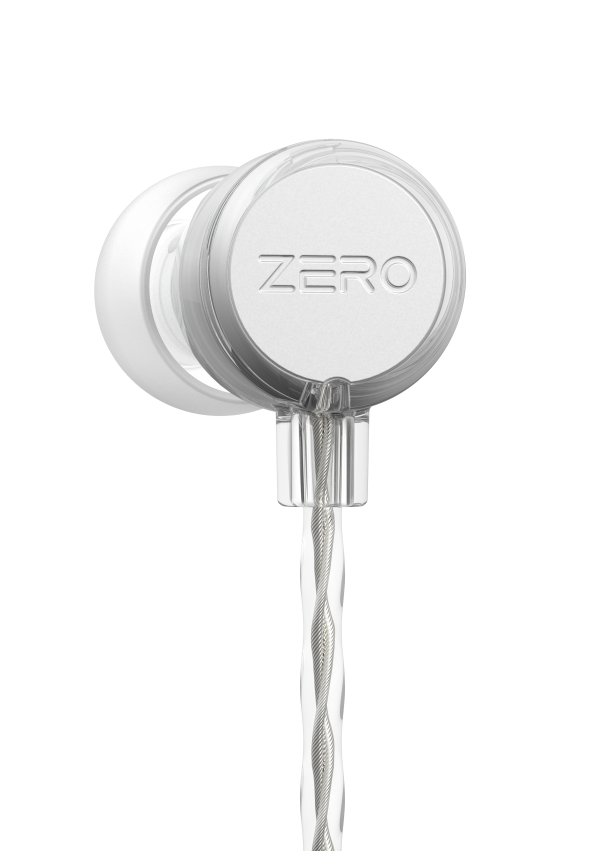
Quick Facts: Zero Ultima
| Spec | Value |
|---|---|
| Driver | DMT-4 Ultra dynamic driver |
| THD | As low as 0.05% |
| Weight | ~2.3g per earpiece |
| Cable | Litz copper, silver-plated |
| Versions | 3.5mm wired or USB-C DSP |
| Shell style | Lightweight bullet-style |
What the Zero Ultima Actually Is
The Zero Ultima uses Tanchjim’s DMT-4 Ultra driver, an evolution of the DMT4 architecture found in the original Zero, engineered for ultra-low distortion. Tanchjim rates total harmonic distortion as low as 0.05%, a genuinely strong figure for an entry-level IEM. It keeps the bullet-style shell shape the Zero line is known for, weighing in at roughly 2.3 grams per earpiece, light enough to disappear during long wear.
- DMT-4 Ultra dynamic driver, ultra-low distortion tuning
- THD as low as 0.05%
- Lightweight bullet-style shell, roughly 2.3g per earpiece
- Litz copper, silver-plated cable
- Available in 3.5mm wired and USB-C DSP versions
Sound Signature
Bass dynamics stand out first. Sub-bass and mid-bass both extend cleanly with fast decay, which is not something every budget single-DD IEM manages without turning muddy. The midrange stays natural and transparent, with male vocals sitting well-placed in the mix and female vocals and instruments carrying a touch of warmth alongside good detail retrieval for the price. Treble is crisp without becoming harsh, staying well-extended and refined rather than peaky, which is a common failure point in cheaper tunings that try to fake detail with a treble spike.
The tradeoffs are honest ones for the price. Soundstage stays fairly intimate rather than expansive, which limits immersion compared to pricier, more technically ambitious IEMs. The fixed cable on some versions can also produce noticeable microphonics, the thumping sound a cable makes when it brushes against clothing, something worth knowing if you plan to use it while walking or exercising.


Comfort and Build
The bullet shape and low weight make this one of the more comfortable ultra-budget IEMs I have tried for long sessions, since there is very little bulk pressing against the outer ear. The acoustic labyrinth rear chamber design is a nice touch of engineering at this price tier, helping manage internal resonance behind the driver rather than relying purely on a simple sealed cavity.
Two connection versions exist: a standard 3.5mm wired option with mic, and a USB-C variant with built-in DSP support. The DSP version is worth the small premium if your phone lacks a headphone jack, since it skips the need for a separate dongle entirely.
Troubleshooting Common Issues
A few practical issues come up often enough with the Zero Ultima that they are worth addressing directly.
- Bass sounds thinner than reviews describe: Check your seal first — try a wider foam tip, since the stock tip selection doesn’t fit every ear equally well and a loose seal loses low-end response before anything else.
- Cable microphonics on the fixed-cable version: Route the cable up and over the ear rather than letting it hang straight down; a thicker aftermarket cable, where the shell allows a swap, also helps dampen the noise.
- USB-C DSP version not recognized by your phone or PC: Confirm your device supports USB Audio Class output, and check for a firmware update through Tanchjim’s channels if the DSP version was recently purchased.
- Fit feels loose despite trying multiple stock tips: Try a third-party foam tip brand instead of Tanchjim’s included set; foam tips compress and seal more consistently across different ear shapes than silicone.
- One side sounds quieter on the wired 3.5mm version: Check the plug for lint or debris before assuming a driver issue, since a dirty 3.5mm jack is a common and easily overlooked cause of channel imbalance.
Zero Ultima vs the Rest of the Budget Field
| Strength | Weakness |
|---|---|
| Excellent bass dynamics for the price | Intimate, not expansive, soundstage |
| Ultra-low 0.05% THD driver | Fixed cable can cause microphonics |
| Very lightweight, comfortable for long wear | Not a technical giant-killer against pricier hybrids |
| Natural, transparent midrange | Limited accessory bundle at this price tier |

Who Should Buy the Zero Ultima
- First-time IEM buyers who want a genuinely well-tuned entry point without spending much
- Anyone who wants strong bass texture and a natural midrange over an expansive soundstage
- Buyers without a headphone jack who want the USB-C DSP version to skip a separate dongle
For additional independent listening notes, the breakdown at No Borders Audiophile lines up closely with my own impressions, and Tanchjim’s official product page has the full driver specification.
Frequently Asked Questions
Is it called Zero Ultima or Zero Ultimate?
The correct official name is Zero Ultima. Zero Ultimate is a common misspelling that shows up frequently in searches but is not the product’s actual name.
Does the Zero Ultima need an amplifier?
No, it is an easy-to-drive entry-level IEM that performs well straight out of a phone or basic dongle.
Is the DSP version worth the extra cost?
If your phone lacks a headphone jack, yes, since it skips the need for a separate USB-C dongle DAC entirely.
How does it compare to the original Zero?
The Zero Ultima builds on the same DMT4 driver family with a refined, lower-distortion DMT-4 Ultra version, generally offering a more refined and controlled sound than the original.
Conclusion
The Zero Ultima delivers a genuinely refined entry-level experience, with clean bass dynamics, a natural midrange, and treble that avoids the harshness common at this price. Its limitations, mainly an intimate soundstage and occasional cable microphonics on the fixed-cable version, are honest tradeoffs for the price rather than dealbreakers. For anyone starting out in the hobby or wanting a reliable everyday budget IEM, it is one of the easier recommendations in Tanchjim’s current lineup.
I keep a drawer of budget-tier IEMs specifically to track how much the entry-level segment improves year over year, and the Zero Ultima is one of the more consistently impressive releases I have tested in that bracket recently.
Tip Selection Matters More Than Usual
Because the shell is so light and small, ear tip fit has an outsized effect on both comfort and bass performance here compared to bulkier IEM shells. I found the stock tips gave a decent seal for most of a session but started to shift slightly during more active movement, and swapping to a slightly wider foam tip fixed that completely while also tightening up the bass response noticeably. If you find the low end sounding thinner than reviews describe, checking your seal before blaming the driver is worth doing first.
Cable Care Tips
Since the fixed-cable variant is prone to microphonics, running the cable up and over the ear rather than letting it hang straight down cuts down on cable noise considerably during walking or light exercise. It is a small habit change, but it makes a real difference on an IEM at this price where the cable is not detachable in every configuration.
A slightly thicker aftermarket cable, where the shell design allows a swap, also tends to reduce microphonic noise on its own since more mass damps the vibration transmitted up to the earpiece.