I need to clear up something before going further, because I see this mixed up constantly in forum posts and comment sections: the Tanchjim Luna is not an in-ear monitor. It is a portable USB DAC/AMP, the little dongle-style device that sits between your phone or laptop and your headphones to handle digital-to-analog conversion and amplification. The Asano Tanch edition is a cosmetic limited-edition variant of that same dongle, not a different tuning or a separate earphone. Once that is straight, the rest of this is much easier to follow.
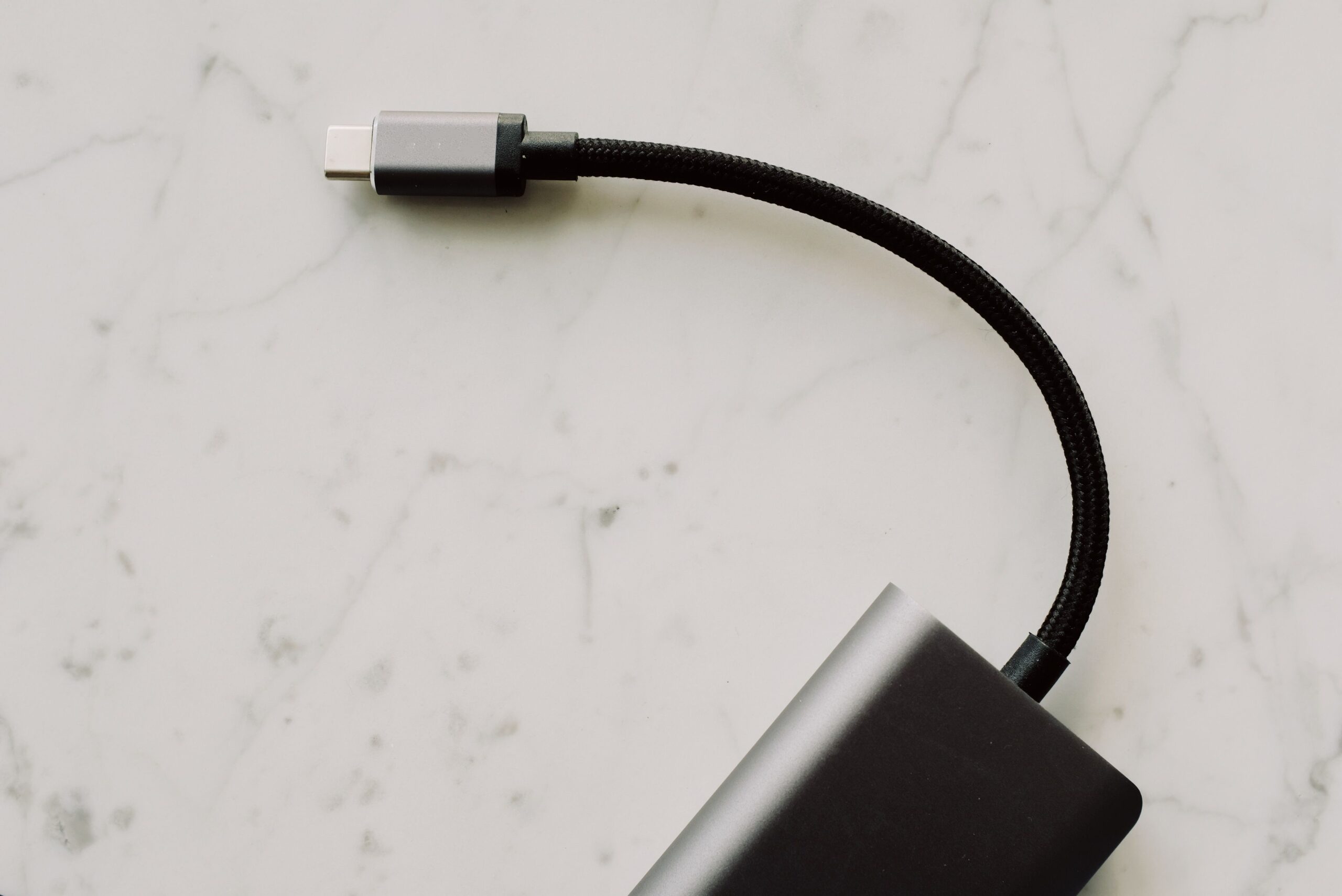
What the Luna Actually Is
The Luna is Tanchjim’s flagship portable DAC/AMP, built around dual CS43198 DAC chips. It supports high-resolution playback up to 32-bit/768kHz PCM and DSD256, and it offers two headphone outputs, a 3.5mm single-ended jack and a 4.4mm balanced jack, so it works with a wide range of IEM and headphone cables without an adapter.
Under the hood, it switches between Class AB and Class H amplification modes, with two gain levels to match different headphone sensitivities. Maximum output is rated around 2Vrms with roughly 285mW of power into a 32-ohm load, which is enough to comfortably drive most IEMs and a good number of over-ear headphones too, not just easy-to-drive earphones.
- Dual CS43198 DAC chips
- 3.5mm single-ended and 4.4mm balanced outputs
- Switchable Class AB / Class H amplification
- Two-level gain control
- Up to 32-bit/768kHz PCM and DSD256 decoding
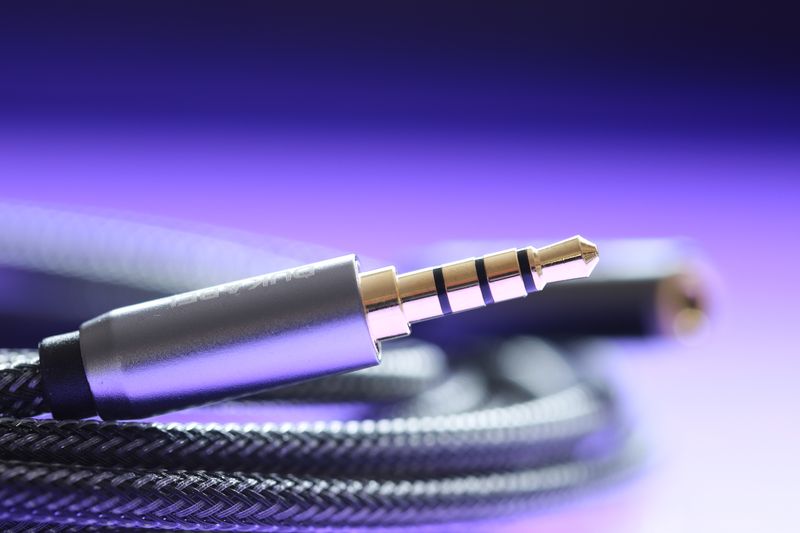
What Makes the Asano Tanch Edition Different
Asano Tanch is Tanchjim’s own mascot character, and this limited edition dresses the standard Luna chassis in a floral and silver-sword embossed pattern, with matching artwork carried through the packaging and the companion app interface. The internal hardware, DAC chips, amplifier stages, and output specs are identical to the standard Luna. You are paying a modest premium purely for the cosmetic treatment and the limited-run collectible angle, not for any additional audio performance.
If your only concern is sound quality, buying whichever version is cheaper or easier to find where you shop makes complete sense. If you like the idea of owning a numbered, character-themed edition of a piece of gear you will look at every day, the small premium is easy to justify. I would not tell anyone the Asano Tanch edition is a functional upgrade, because it genuinely is not one.
Why This Matters for Anyone Pairing It With IEMs
Because the Luna is a source device rather than an earphone, how it sounds depends heavily on what you plug into it. Pairing a dongle-class DAC/AMP like this with a set of budget IEMs, including Tanchjim’s own Bunny or Nora, will not fundamentally change their tuning, but it can clean up background hiss on sensitive earphones and provide more headroom on harder-to-drive headphones than a bare phone output can offer.
If you already own an entry-level IEM and have been wondering whether a dongle like the Luna is worth adding to your setup, the honest answer is that it depends on your current source. If you are already using a decent phone or a basic dongle and your headphones are easy to drive, the audible difference may be subtle. If you are driving a higher-impedance or lower-sensitivity headphone straight from a phone’s built-in output, a dedicated DAC/AMP like the Luna is far more likely to be worth the investment. For a deeper technical explanation of how DAC chip pairing and amplifier class affect sound in practice, Headfonics has published detailed breakdowns worth reading before you spend money chasing marginal gains.
It is also worth checking Tanchjim’s official site directly for current firmware and app support before buying secondhand, since dongle DAC/AMPs like this one occasionally receive updates that improve compatibility with newer phones.
Build, Portability, and Daily Use
The Luna is built around a solid CNC aluminum chassis, which gives it enough heft to feel durable in a pocket or bag without becoming a burden to carry daily. Unlike some competing dongles that skip a physical volume control entirely, the Luna keeps a dedicated dial along with its gain switch, which makes quick adjustments easier when you are switching between headphones with very different sensitivities on the same commute.
Because it draws power from your phone or laptop rather than an internal battery, there is no separate charging routine to remember, though it does mean slightly faster battery drain on your source device during long listening sessions. That is a normal trade-off for this category of dongle DAC/AMP, not something unique to the Luna, and it is worth knowing before you decide whether a dongle or a battery-powered dedicated DAP better fits your daily routine.
Frequently Asked Questions
Is the Tanchjim Luna an in-ear monitor?
No. It is a portable USB DAC/AMP dongle used to drive headphones and IEMs from a phone or computer. It does not have its own drivers or ear tips.
What does the Asano Tanch edition change compared to the standard Luna?
Only the cosmetic design, a limited floral and silver-sword pattern themed around Tanchjim’s mascot. The internal DAC and amplifier hardware are identical between versions.
Does the Luna work with balanced cables?
Yes, it has both a 3.5mm single-ended output and a 4.4mm balanced output, so it supports either cable type without needing a separate adapter.
Do I need the Luna if I already own budget IEMs like the Bunny or Nora?
Not necessarily. If your current source already drives them cleanly, the upgrade may be subtle. It becomes more worthwhile if you plan to use harder-to-drive headphones alongside your IEMs.
Conclusion
The Tanchjim Luna Asano Tanch edition is a real, legitimate product, just not the kind of product a lot of shoppers assume it is when they first see the name. It is a well-specified dual-DAC portable amp with a cosmetic limited-edition skin, not a new IEM or a tuning variant. If the artwork appeals to you and you were already in the market for a dongle DAC/AMP in this price range, it is a solid pick. If you were expecting a new earphone, this is the wrong product page, and Tanchjim’s actual IEM lineup, including the Bunny and Nora, is where you should be looking instead.
I have gone down enough of these naming rabbit holes over the years, as someone who reads spec sheets for fun on top of a day job in software, that double-checking a product category before writing about it has become second nature.