The original Moondrop Aria became one of the most recommended budget IEMs for years after its release, and when the Aria 2 arrived, plenty of owners of the first version wanted to know if it was actually worth upgrading. Having spent time with both, I can say the Aria 2 is a genuine refinement rather than a reskin with a new number slapped on the box, but whether that refinement matters to you depends heavily on how much you already enjoy the original.
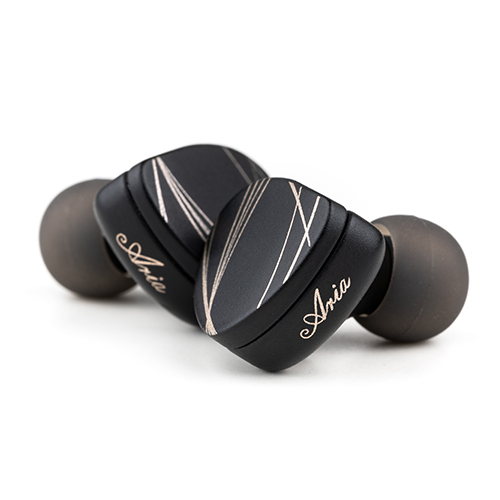
Spec Comparison
| Spec | Moondrop Aria (Original) | Moondrop Aria 2 |
|---|---|---|
| Driver | 10mm LCP liquid crystal diaphragm, dual cavity | 10mm ceramic-coated spherical dome composite diaphragm |
| Impedance | 32 ohms ±15% | 33 ohms ±15% |
| Sensitivity | 122dB/Vrms | 122dB/Vrms |
| Cable | Standard single-ended cable | Copper/silver-plated Litz with modular 3.5mm and 4.4mm plugs |
| Nozzle | Standard nozzle design | CNC-milled brass acoustic nozzle |
What the New Diaphragm Actually Changes
The move from an LCP liquid crystal diaphragm to a ceramic-coated spherical dome composite is the headline engineering change in the Aria 2. In practical listening terms, the Aria 2 has a slightly more extended and controlled treble, with less of the occasional peakiness that some original Aria owners noted on certain vocal-heavy tracks. Bass texture is also a touch more refined, though the fundamental warm, musical character that made the original so popular has been carried over rather than abandoned.
This is important to understand: Moondrop did not chase a completely different sound signature with the Aria 2. It kept the same overall tuning philosophy and refined the execution, which is exactly what you would hope for from a well-considered sequel rather than a random relaunch.
Resale and Secondhand Considerations
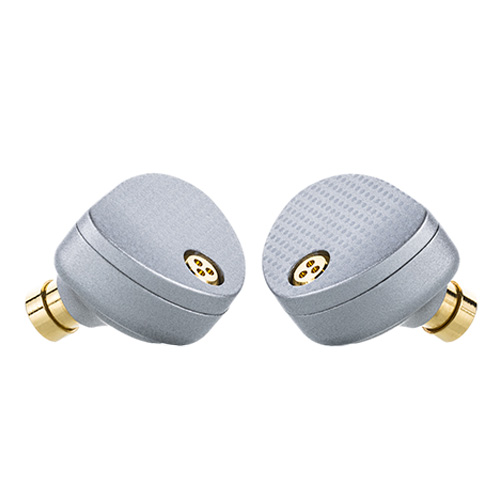
If you are weighing whether to sell your original Aria to fund an Aria 2 purchase, it is worth knowing that the original still holds reasonable value on the secondhand market, since it remains a well-regarded IEM in its own right rather than something buyers consider obsolete. This makes upgrading a relatively low-cost decision in practice: sell the original to a newcomer who wants a proven budget IEM, and put that money toward the Aria 2’s modest premium. It is a far more sensible path than letting a perfectly good pair sit unused in a drawer once you upgrade.
Cable and Accessory Upgrades
One of the most practically useful upgrades in the Aria 2 has nothing to do with the driver at all: the included cable now supports modular plug swapping between 3.5mm single-ended and 4.4mm balanced connections. If you have ever owned a source device with a balanced output, this alone removes the need to buy a separate cable, which used to be a common complaint from original Aria owners who upgraded their DAC or amp later on.
- Modular 3.5mm/4.4mm plug system saves money on aftermarket cables
- CNC-milled brass nozzle is more durable than the original’s standard nozzle
- Refined diaphragm reduces occasional treble peakiness reported on some original units
- Overall tuning philosophy remains consistent, so it will feel familiar rather than jarring

A Direct Listening Comparison
I dug my original Aria out of a drawer specifically to run this comparison properly rather than relying on memory, which can be unreliable across a gap of a few years. Going back and forth on the same handful of tracks, the difference was smaller than I expected but still consistently there. On a live recording with a lot of crowd noise and cymbal work, the original Aria occasionally got a little sharp and splashy in the upper registers, exactly the kind of thing the ceramic-coated diaphragm in the Aria 2 seems built to address. The Aria 2 handled that same passage with noticeably more composure, without losing any of the energy that made the recording exciting in the first place.
What did not change at all was the fundamental character both share: a warm, easygoing tonal balance that never feels clinical or overly analytical. If you loved the original Aria’s personality, you will feel instantly at home with the Aria 2 — it is the same friend with slightly better manners, not a different person entirely.
Should Original Aria Owners Upgrade?
If your original Aria still works well and you are happy with it, this is not an urgent upgrade — the improvements are real but incremental, not transformative. Where the Aria 2 makes the most sense is for buyers who do not already own the original, since it is simply the better version of the same core product at a similar price point. If you specifically want the modular balanced cable or have started noticing treble fatigue on certain tracks with your original unit, the Aria 2 addresses both directly. You can compare both generations on Moondrop’s official product pages.
Frequently Asked Questions
Is the Aria 2 a completely different sound from the original Aria?
No, it keeps the same general warm, musical tuning philosophy while refining treble extension and bass texture through an upgraded diaphragm.
Can I use my original Aria’s cable with the Aria 2?
Both use a 0.78mm 2-pin connector, so cables are generally interchangeable, though you would lose the Aria 2’s modular plug convenience by doing so.
Is the price difference between the two significant?
Pricing is usually close, with the Aria 2 sometimes commanding a modest premium over the original where both are still sold new.
Is the original Aria still worth buying if I find one at a discount?
Yes, it remains a genuinely good-sounding IEM. If you find a steep discount and do not need the balanced cable, it is still a reasonable buy.
Conclusion
The Moondrop Aria 2 is a thoughtful, incremental refinement of an already well-loved formula rather than a reinvention. The diaphragm upgrade smooths out some rough edges in the treble, and the modular cable is a genuinely useful practical improvement. If you are buying fresh, the Aria 2 is the easy recommendation. If you already own the original and are happy with it, there is no urgent need to switch.
About the author: an audio hobbyist who has owned both generations of the Aria and tracks Moondrop’s product changes closely.