Two of the most recommended sub-$35 IEMs for someone just getting into the hobby are the original Kiwi Ears Cadenza and the 7Hz Salnotes Zero 2. Both are single dynamic driver sets, both sell for around $25-35, and both get recommended constantly as a “first real IEM” upgrade from stock earbuds. I bought both to figure out which one actually deserves that recommendation more often.
I want to be upfront that this comparison is specifically about the original Cadenza, not the newer Cadenza 2. They are genuinely different products with different drivers and different tunings, and mixing them up would give you the wrong buying advice.
I actually recommended the original Zero to a coworker a while back who was looking for a cheap upgrade from his phone earbuds, and when the Zero 2 came out I felt obligated to check whether it was worth telling him to upgrade again. That personal stake made me listen more critically than I normally would for a budget comparison, and it’s part of why this review leans a bit more detailed on the bass character than most quick budget write-ups.
Driver and Tuning Approach
The original Cadenza uses a 10mm beryllium-coated diaphragm in a 3D-printed resin shell, tuned for a warm, lush, U-shaped signature aimed at long, relaxed listening rather than critical analysis. The Zero 2 uses a redesigned 10mm PU-plus-metal-composite diaphragm with updated crossover circuitry, building on the well-regarded original Zero with roughly 3dB more low-end gain while keeping the midrange fairly neutral.
| Spec | Kiwi Ears Cadenza | 7Hz Zero 2 |
|---|---|---|
| Driver | 10mm beryllium-coated DD | 10mm PU + metal composite DD |
| Impedance | 32 ohms | Low impedance, easy to drive |
| Sensitivity | 110 dB | High sensitivity |
| Price | ~$30-35 | ~$25 |
Listening Impressions
I ran both through the same acoustic, pop, and electronic playlists over about ten days, swapping eartips occasionally to rule out fit-related tonal shifts before drawing any real conclusions. The Cadenza leans warmer and softer everywhere, bass has good body but blends into the lower mids a bit on busy tracks, and the overall presentation is relaxed almost to a fault. The Zero 2 has a thicker, more textured low end thanks to that extra bass gain, but keeps the midrange surprisingly tidy and the treble smooth rather than shouty, which is impressive for a $25 IEM.
- Bass impact and texture: Zero 2 wins clearly
- Vocal clarity: close, with a slight edge to the Zero 2
- Long-session comfort: Cadenza is a bit more relaxed and forgiving
- Overall detail retrieval for the price: Zero 2 punches above its weight
Per Julian K., who is an Audio Enthusiast and Head-Fi reviewer, “A single dynamic driver, tuned thoughtfully, can embarrass multi-driver sets at twice the price. The Zero 2 is a perfect example of that at twenty-five dollars.”
Build and Value
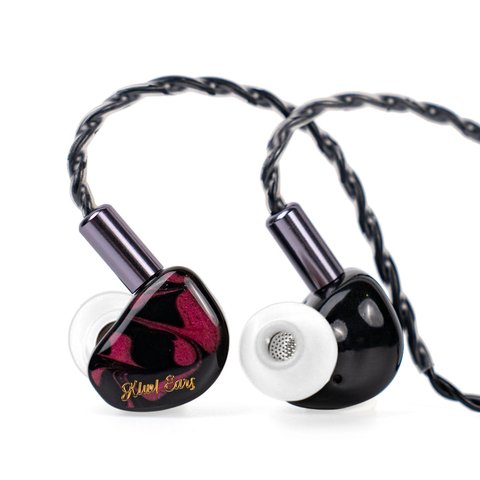
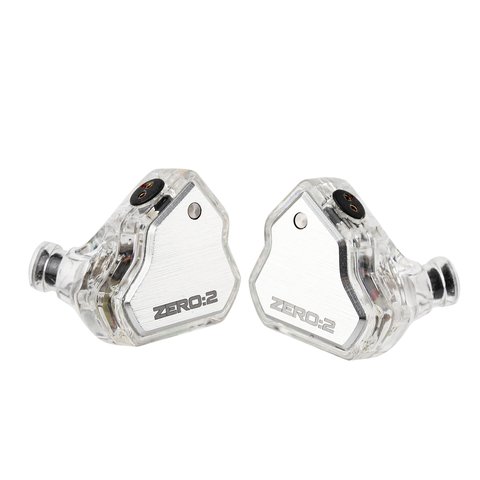
The Cadenza’s resin shell comes in a few different colorways and feels nicely finished for the price, with a detachable 2-pin cable included. The Zero 2 ships in a clear resin shell that shows off the internals, which some buyers really like aesthetically. Given the Zero 2’s lower price and stronger technical performance, it’s the harder one to argue against on pure value.
Accessories and Colorway Options
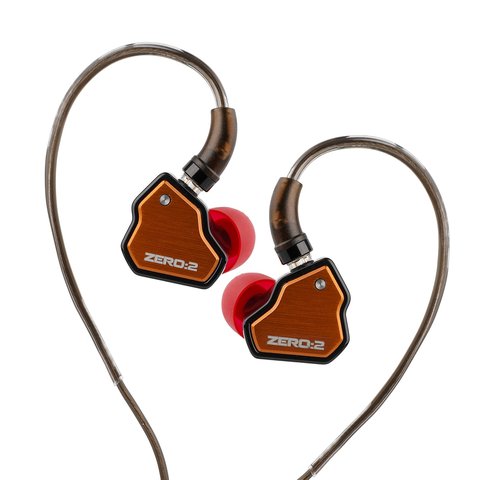
Both ship with a modest but usable set of eartips, a simple pouch, and a 2-pin detachable cable, so upgrading the cable later is straightforward on either model. The Zero 2 has expanded into a few different colorway options since launch, including a striking amber-and-black variant, while the Cadenza sticks to its original four-color lineup. Neither difference affects sound, but it’s worth knowing if aesthetics matter to your purchase decision.
- Cadenza colorways: red, blue, green, purple
- Zero 2 colorways: clear/silver plus limited special editions
- Both include a basic zippered or drawstring pouch, not a hard case
Comfort and Fit
Both shells are on the smaller, more rounded side, which made them disappear comfortably during multi-hour desk sessions without the pressure points that some larger hybrid shells cause. The Cadenza’s resin shell sits a touch deeper in the ear, giving slightly better passive isolation on noisy commutes, while the Zero 2’s clear shell rides a little shallower, which some people with smaller ear canals may actually prefer.
Neither pair caused any real fatigue during full workdays of wear, and both come with a reasonable range of stock eartip sizes to help dial in a secure seal. If you have unusually small or large ear canals, it’s still worth trying a third-party eartip set on either model, since stock tips rarely fit everyone equally well regardless of price point.
Conclusion
If your budget stops at $25 and you want the most technically impressive single-DD IEM at that price, the Zero 2 is the easy recommendation. If you specifically want the warmest, most relaxed listen for background music or falling asleep, and don’t mind paying a bit more, the original Cadenza still has a place. For most first-time buyers though, I’d point them toward the Zero 2. Either way, both represent how competitive the true budget end of the IEM market has become, a $25-35 pair today routinely outperforms what cost twice as much just a few years back.
FAQ
Is the original Cadenza still worth buying?
Yes, if you specifically want its warm, relaxed tuning, though the Zero 2 is the stronger all-around value pick.
Does the Zero 2 need an amp?
No, its high sensitivity and low impedance make it very easy to drive from a phone.
Are these the same as the Cadenza 2 or Zero:Red?
No, this comparison covers the original Cadenza and the Zero 2 specifically, both different products from their respective newer models.
Which is better for gym use?
The Zero 2’s clear shell and secure fit make it a solid pick for active use, though neither is officially rated for sweat resistance.
Do either of these support balanced cables?
Both use standard 2-pin connectors, so a balanced aftermarket cable is a straightforward upgrade for either model if your source supports a balanced output.
How do these compare to true wireless earbuds in the same price range?
Wired IEMs like these two consistently outperform similarly priced true wireless earbuds on raw sound quality, since none of the budget is spent on batteries, Bluetooth chips, or charging cases.
Ryan tests a lot of sub-$50 IEMs so readers don’t have to gamble their first purchase blind. He writes at softwaredriverdownload.com.