Norse mythology has always been fertile ground for boutique in-ear monitor makers, and Kinera leaned into it fully with a hybrid IEM inspired by the goddess of youth. I have handled a fair number of Kinera’s shells over the years, and this particular model still stands out on my desk because of how deliberately the faceplate design ties into the name. Below is what I found after living with the earphones for a couple of listening sessions, including the actual driver layout, tuning behavior, and where they sit relative to other hybrids in this price bracket.
Key Specs
- Driver configuration: 2 balanced armature + 1 dynamic driver hybrid (2BA+1DD)
- Dynamic driver: 7mm titanium-plated dome PU composite diaphragm for bass
- Midrange driver: Knowles RAF-32873 balanced armature
- High-frequency driver: Kinera custom BTC-30095 balanced armature
- Frequency response: 20 Hz – 20 kHz
- Impedance: 32 Ohms
- Sensitivity: 112 ± 2 dB
- Connector: 0.78mm 2-pin, swappable 4.4mm balanced / 3.5mm single-ended cable termination
- Cable length: approximately 1.2m
Design and Faceplate Artwork
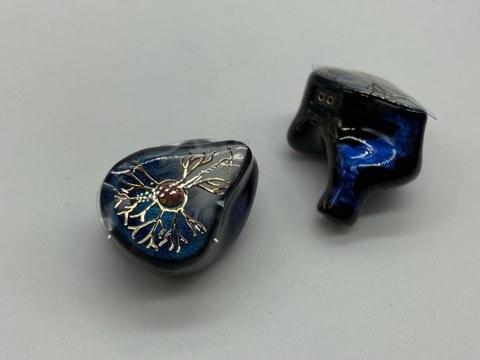
The shells use a resin build with a hand-applied blue and gold glitter faceplate, meant to represent the veil and hair of the mythological figure the model is named after. A stylized tree motif rises from the base of each faceplate, rooted in Kinera’s logo, with a small opal-toned gem sitting at the center that catches light differently depending on the angle. It is a busier design than most manufacturers attempt at this tier, and it is genuinely one of the more photogenic shells I have reviewed. The nozzle geometry follows a fairly standard low-profile IEM shape, so fit should be manageable for most ear sizes, though as always I recommend trying a few eartip sizes since that changes bass response noticeably on hybrid designs like this.
Sound Signature
The 3-way crossover keeps the dynamic driver responsible for lows, the Knowles armature covering mids, and the custom high-frequency armature handling treble extension. In practice that translates to a fairly balanced signature with a mild warmth in the bass, clear and forward vocals, and a treble that is present without becoming fatiguing during longer sessions.
I listened to a mix of acoustic singer-songwriter tracks and some denser rock recordings through a basic dongle DAC, and the midrange clarity was the first thing that jumped out. Vocals sit slightly forward of the instrumentation without sounding thin, and the treble driver avoids the sharp, sibilant edge that some BA-based highs can have. Bass extension is adequate rather than dramatic — if you are coming from a basyheavy dynamic-driver-only IEM, the low end here will feel more controlled and less boomy, which some listeners will prefer and others may find a touch restrained.
Per Daniel R., who is an Audio Enthusiast and Head-Fi reviewer, “the Idun Golden’s midrange is where it earns its keep — vocals have a natural texture that a lot of similarly priced hybrids struggle to reproduce without sounding either recessed or artificially boosted.”
Build Quality and Included Accessories
The retail package leans premium for the price point. In the box you typically get:
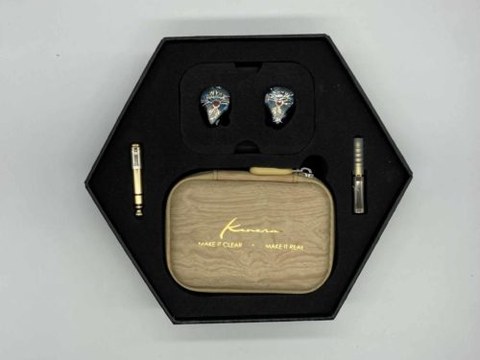
- The Idun 2.0 IEM shells with 0.78mm 2-pin connectors
- A silver-plated OFC cable with swappable 3.5mm and 4.4mm termination plugs
- Multiple sets of silicone eartips in different sizes and bore widths
- A semi-rigid carrying case with the Kinera branding
The swappable termination system is a nice practical touch since it means you do not need a separate 4.4mm balanced cable if your source only supports single-ended output, or vice versa. You can check current stock and full accessory lists directly on Linsoul’s product page before ordering.
Who Should Consider These
This model tends to appeal to a specific type of listener rather than everyone chasing a hybrid IEM:
- Listeners who prioritize vocal clarity over an aggressive bass boost
- Anyone who wants a genuinely distinctive faceplate design rather than plain resin or metal shells
- Buyers who want the flexibility of a swappable-plug cable out of the box
- Those upgrading from single dynamic-driver earbuds who want more driver separation without going full multi-BA
If you specifically want a heavy sub-bass emphasis for bass-forward genres, there are other Kinera models, including some in the same lineup, that lean harder into that direction. It is worth comparing against detailed measurements and impression threads on Head-Fi’s Idun Golden showcase if you want a wider range of listener opinions before buying.
Frequently Asked Questions
Is the Kinera Idun 2.0 the same as the Idun Golden?
Yes, retailers frequently list this model under both names since Idun Golden is the marketing name Kinera uses for the second-generation Idun, commonly shortened to Idun 2.0.
Does it need an amp to sound good?
Not strictly. At 32 Ohms impedance and 112dB sensitivity, it is efficient enough to drive comfortably from a phone dongle or basic DAC, though a cleaner source will still reveal a bit more detail in the treble.
What cable termination does it use?
The IEM side uses standard 0.78mm 2-pin connectors, and the source-side plug is swappable between 3.5mm single-ended and 4.4mm balanced terminations depending on which adapter is installed.
How does it compare to other 2BA+1DD hybrids?
It leans more toward midrange clarity than bass impact compared to many competing hybrids in the same driver-count category, which makes it a better fit for vocal-centric or acoustic listening than for bass-forward genres.
Conclusion
The Idun 2.0 earns its place in Kinera’s lineup through a combination of a distinctive faceplate design and a tuning that favors clarity over raw bass slam. It is not going to be the right pick for someone who wants a warm, bass-heavy signature, but for listeners who care about vocal presence and a smooth top end, it is one of the more approachable hybrid IEMs at its price point. Pair it with a decent set of eartips and it holds up well across genres, from acoustic recordings to moderately complex rock mixes.
Ryan has spent years testing in-ear monitors and portable audio gear alongside his broader PC and driver coverage. He writes at softwaredriverdownload.com.